TCCC Compliant Trauma Kits: What Law Enforcement Needs to Know
5 min reading time
5 min reading time
CoTCCC publishes and maintains the TCCC guidelines that govern trauma care in combat and high-threat environments. Those same standards — tourniquet first, hemorrhage control, airway management, chest decompression — define what a compliant trauma kit must contain for law enforcement. Procurement decisions made without referencing CoTCCC produce kits that look right and fail when they're needed.
This isn't about buying more gear. It's about buying the right gear against a documented standard, then ensuring officers know how to use it. For LE agencies evaluating kit procurement — patrol, tactical, or bulk bleed control — here's what the standard actually requires and how to build a procurement framework around it.
A TCCC compliant kit addresses the three leading causes of preventable death in trauma: uncontrolled hemorrhage, airway obstruction, and tension pneumothorax. The MARCH framework sequences the response: Massive Hemorrhage → Airway → Respiration → Circulation → Hypothermia. Every component in a compliant kit maps to one of those priorities.
Non-negotiables at the TCCC standard:
Field Note: The Counterfeit Problem
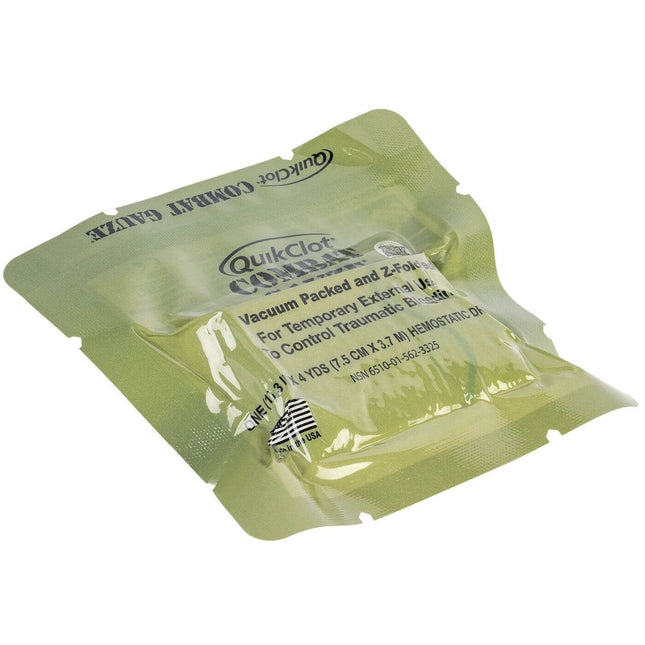
Fake CAT tourniquets and counterfeit hemostatic gauze enter the supply chain through unverified online marketplaces. They pass visual inspection and fail under pressure. Procurement from authorized distributors is not an upgrade — it's the baseline for officer safety.
Not every officer carries the same threat profile. Kit configuration and carry method should match role.
| Role | Recommended Kit | Notes |
|---|---|---|
| Patrol (on-person) | TORK Advanced IFAK | Full TCCC loadout in a rip-away pouch — tourniquet, gauze, chest seal, pressure dressing, gloves |
| Vehicle / unit (staged) | Vehicle Trauma Response Kit | Extended component set for staged access in patrol vehicle; supplements on-person kit |
| First responder / EMT support | First Responder EMT Bag | Full trauma response bag for agencies providing first responder-level care |
| Agency / bulk procurement | LE Kit Collection | Volume pricing available; contact ViTAC for agency-level quotes |
For patrol, vehicle, SRO, and tactical kit configuration by role, see Law Enforcement Trauma Kits for Patrol and Tactical Roles.
Agencies operating fixed facilities — precincts, training centers, administrative buildings — are subject to ANSI/ISEA Z308.1 workplace first aid kit standards. These standards define minimum component requirements and placement density. A TCCC-configured bleed control station satisfies ANSI requirements and exceeds them for hemorrhage response. Agencies procuring bleed control stations for wall-mount placement should confirm ANSI compliance at the unit level. For a full specification of what ANSI/ISEA Z308.1 requires — and where it leaves gaps — see ANSI/ISEA Z308.1: What Workplace Bleed Control Kits Must Include.
Three federal grant programs are the standard funding paths for LE trauma kit procurement:
Grant timelines run 6–12 months from application to award. Agencies procuring outside a grant cycle should document the procurement decision and budget line now for next cycle submission. For a detailed procurement checklist and component spec by role, see How Law Enforcement Should Procure IFAKs and Trauma Kits in Bulk.
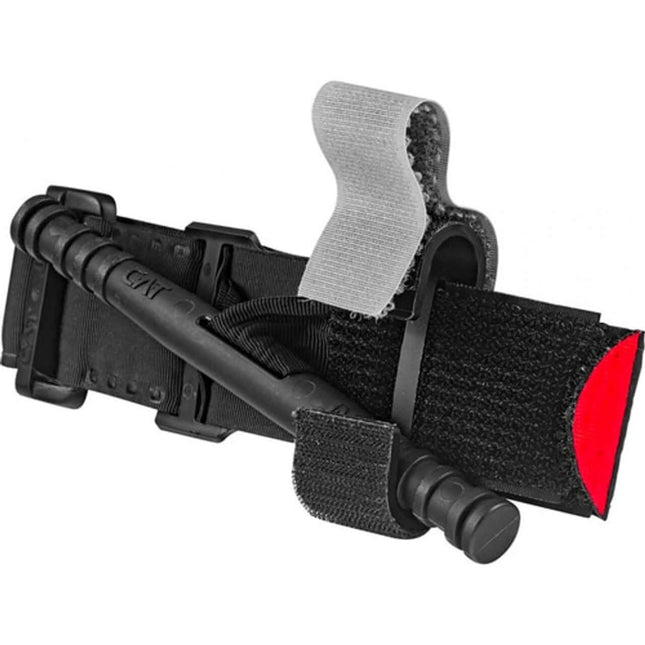
CoTCCC recommends the CAT Gen 7 and SOFTT-W by name. These are the only windlass designs with documented combat efficacy at scale — 4,000+ applications in the case of the CAT Gen 7. Generic or non-windlass alternatives do not meet the standard regardless of price point.
Monthly inspection is the TCCC-aligned standard. Check expiration dates on gauze and chest seals, verify tourniquet integrity, and restock any deployed or opened kit immediately. Document inspection dates on the kit.
Yes. CoTCCC provides component requirements, not a specific kit SKU. Agencies operating in high-vehicle-incident environments may prioritize vehicle kits. Tactical units may require extended airway and decompression capability. Contact ViTAC for agency-level configuration consultations.
TCCC compliance is not a preference — it's a procurement standard with documented field outcomes. Every component in a CoTCCC-recommended kit maps to a preventable death category. Agencies that source outside that standard accept unnecessary risk into their officer safety posture.
ViTAC works with law enforcement agencies on TCCC-compliant kit procurement, volume pricing, and grant documentation support.

OSHA minimum workplace kits don't include a tourniquet. Here's how to calculate station count, stock each station, and build bleed control coverage in any public...

One kit at the main entrance fails the 90-second coverage rule for most buildings. Here's how to run a coverage audit and calculate the correct...

Arterial hemorrhage kills in 3 minutes. Urban EMS takes 7–10. Every business needs CoTCCC-standard bleed control kits — here's how to select, deploy, and train...

40+ states mandate bleed control kits in schools — but most deployment plans miss classrooms and buses. Here's the placement standard that actually works.

Most of our trauma kits and first aid supplies qualify for HSA and FSA reimbursement. Don't let your benefits expire — invest them in gear that could save a life.


$124.95


$279.99

$37.49 - $139.46


$299.95 $269.95


$139.95 - $169.95

$49.95


$25.99


$164.95

We've been downrange. We know what it costs to be unprepared. ViTAC was built by U.S. Army Special Operations veterans to make sure the people who run toward the threat — and the families who depend on them — have gear that works when everything is on the line.
— ViTAC Solutions Founders | 40+ years combined Special Operations experience