Out of Stock
Out of Stock - Contact Us for Bulk Build Out
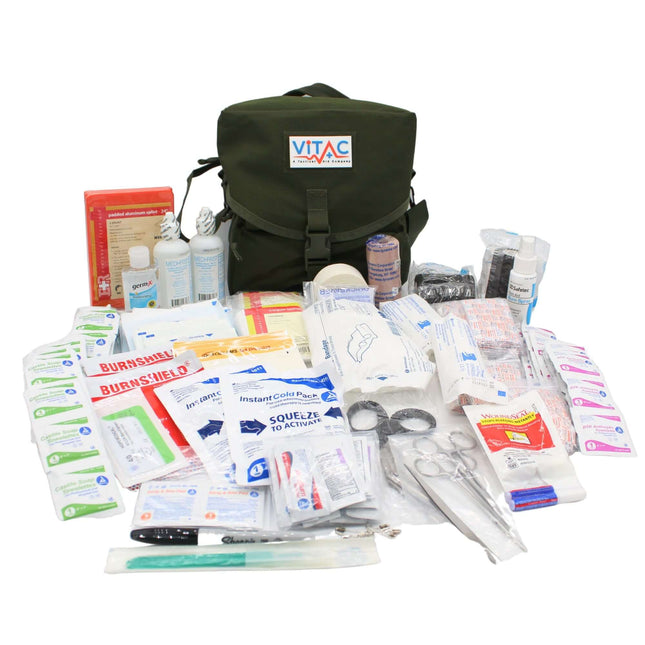
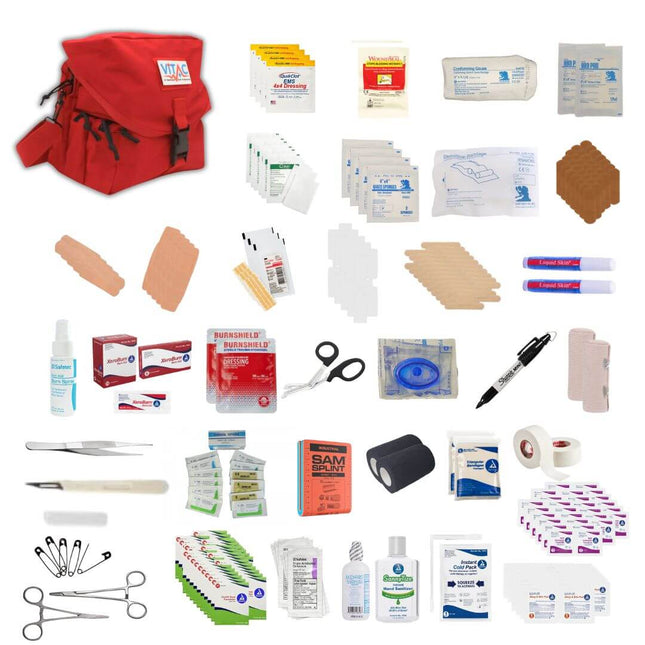
Built for when help is 2+ hours away. Includes 138 organized supplies, CAT® tourniquets, QuikClot®, wound care, splinting, medications, hydration support, and survival essentials.
The 1st Line IFAK is a quick-pull roll pouch trauma kit built for rapid bleeding-control access, mounting securely to a belt or carrier for law enforcement, military, and duty gear use. Complete hands-on trauma training, such as Stop the Bleed®, before relying on this kit — it's a tool for trained responders, not a substitute for training.
A trauma backpack built to keep advanced bleeding-control and airway tools organized so you can respond faster and with more confidence in high-stress emergencies.
Keep your core first aid and bleeding-control tools organized in one compact kit so you can respond faster and with more confidence at the range, in the vehicle, outdoors, or at home.
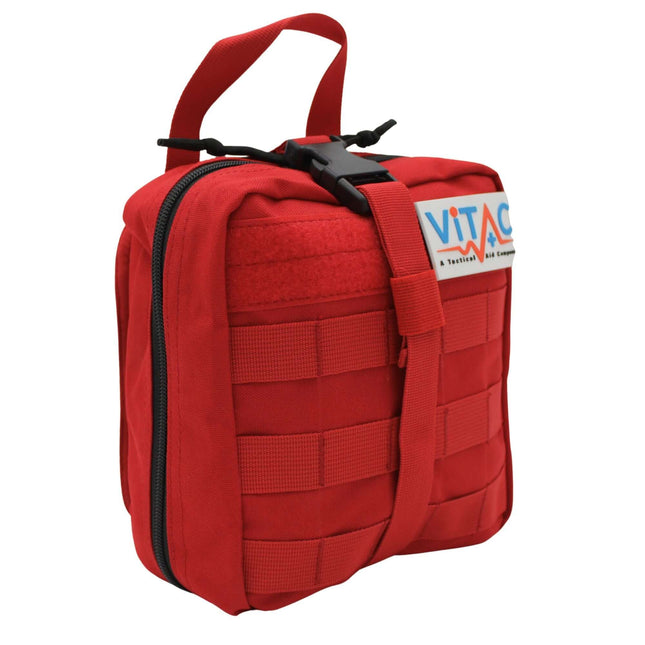
Color-coded MOD pages and a MOLLE tear-away shell put organized care within reach—wound, burn, and bleeding control built in, with QuikClot® hemostatic gauze and airway tools on the PRO level.
Out of Stock
Domestic Shipping (USA - Lower 48 Only) Orders are processed within 24 hours and typically ship within 1–2 business days. Once shipped, delivery takes an estimated 3–7 days, with most orders arriving in just 5 days. Please Note: We currently do not ship to Alaska, Hawaii, or international destinations. Questions? Contact us anytime at support@vitacsolutions.com or call 307-202-8426.
TCCC-compliant IFAK built by Army Special Forces veterans. CAT® tourniquet, QuikClot® combat gauze, HyFin® chest seals, and NPA — organized for speed in the field.
Out of Stock
Domestic Shipping (USA - Lower 48 Only) Orders are processed within 24 hours and typically ship within 1–2 business days. Once shipped, delivery takes an estimated 3–7 days, with most orders arriving in just 5 days. Please Note: We currently do not ship to Alaska, Hawaii, or international destinations. Questions? Contact us anytime at support@vitacsolutions.com or call 307-202-8426.
Out of Stock
Out of Stock - Contact Us for Bulk Build Out
The ViTAC Premium Emergency Home First Aid Kit is a 301-piece, hospital-grade medical system designed by emergency professionals to equip your household for real-world injuries—providing clear organization, advanced care tools, and peace of mind when every second counts.
Out of Stock
Out of Stock - Contact Us for Bulk Build Out
The ViTAC Vehicle Trauma Response Kit w/Trauma Care transforms your vehicle into a mobile emergency station, equipping you with military-grade tools to control bleeding, treat trauma, and manage airways when seconds count and professional help is still miles away.
Out of Stock
Out of Stock - Contact Us for Bulk Build Out
The Adventurer First Aid Kit delivers professional-grade trauma and first aid capability in a compact, field-organized pouch—engineered for hikers, hunters, climbers, and overlanders who need reliable medical readiness miles from help.
NAR®-built dual-purpose IFAK carrying tools for both the handler and K9. C-A-T® tourniquet, HyFin® vent chest seals, NAR® gauze & digital vet thermometer — one kit, two patients.
Four proven ways to close a wound in one compact, MOLLE-ready pouch. Professional stainless instruments and trusted closure materials, organized for trained hands when definitive care is hours away.
What are you preparing for? On-duty response, family preparedness, outdoor adventure... Answer 5 quick questions and we'll match you with the right gear.
Most of our trauma kits and first aid supplies qualify for HSA and FSA reimbursement. Don't let your benefits expire — invest them in gear that could save a life.
We've been downrange. We know what it costs to be unprepared. ViTAC was built by U.S. Army Special Operations veterans to make sure the people who run toward the threat — and the families who depend on them — have gear that works when everything is on the line.
— ViTAC Solutions Founders | 40+ years combined Special Operations experience
Golden Hour focus: Every kit prioritizes bleeding control, airway management, chest injury care, and hypothermia prevention—the four pillars that save lives in the first critical hour.
Veteran-curated selection: Built by U.S. Army Special Forces veterans who've used this gear in the field, not just sold it from a catalog.
From EDC to mass casualty: Whether you carry daily, stock your vehicle, or prepare for backcountry emergencies, you'll find purpose-built kits designed for real-world scenarios.
What Are Trauma Kits and First Aid Kits?
A trauma kit (often called an IFAK—Individual First Aid Kit) is a compact medical system designed to treat life-threatening injuries in the minutes before professional help arrives. Unlike basic first aid kits that handle cuts, scrapes, and minor burns, trauma kits contain tools like tourniquets, hemostatic gauze, chest seals, and airway adjuncts to address severe bleeding, penetrating chest wounds, and compromised airways.
First aid kits cover a broader range of injuries—from blisters and sprains to burns and fractures—and are essential for homes, vehicles, and outdoor adventures. The best kits blend both capabilities: everyday medical supplies plus trauma-ready components for worst-case scenarios.
This collection features best-selling trauma and first aid kits chosen for their proven performance in high-stress environments. Each kit is organized for speed, built for durability, and stocked with field-tested components that work when seconds count.
How to Choose the Right Trauma or First Aid Kit
Not all kits are created equal. Here's how to match the right system to your needs:
1. Environment and use case
Vehicle kits need quick-access mounting and crash-specific tools. Backcountry kits require lightweight, weather-resistant packaging and extended care supplies. Tactical IFAKs prioritize MOLLE compatibility and TCCC compliance. EDC kits must fit in a bag or glove box without bulk.
2. Skill level and training
Advanced kits with needle decompression tools or hemostatic agents assume prior training. If you're new to trauma care, start with kits that include pressure dressings, tourniquets, and clear instructions—then seek hands-on training from a certified instructor.
3. Bleeding control capability
Every serious kit should include a windlass tourniquet (like the CAT Gen 7) and a method to pack wounds (hemostatic gauze or pressure bandages). Chest seals (vented, like HyFin) are critical for penetrating torso injuries.
4. Capacity and modularity
Solo kits treat one person. Family or vehicle kits should handle multiple casualties. Rip-away pouches let you grab the essentials and move. Backpack systems support extended care or mass-casualty response.
5. Compliance and standards
Law enforcement and military users should look for TCCC (Tactical Combat Casualty Care) compliance. Civilian kits benefit from ANSI or OSHA alignment if used in workplace or fleet settings.
6. Component quality and expiration tracking
Cheap knockoff tourniquets fail under pressure. Stick with proven brands (North American Rescue, Elite First Aid, ViTAC-curated systems). Check expiration dates on gauze, seals, and medications annually.
Who These Kits Are For (and Who They're Not For)
These kits are ideal if you:
Work in law enforcement, EMS, security, or military roles where trauma readiness is non-negotiable
Spend time in remote or backcountry environments where help is hours away
Want vehicle-based preparedness for highway accidents or roadside emergencies
Carry daily (EDC) and want compact, capable medical tools within arm's reach
Manage teams, facilities, or fleets and need compliant, professional-grade medical supplies
These kits may not be the best fit if:
You're looking for a basic household kit with only band-aids and antiseptic wipes (consider our family-focused kits instead)
You have no interest in training—advanced components require knowledge to use safely and effectively
You need specialized medical devices beyond trauma care (e.g., AEDs, oxygen systems, or prescription medications)
What Makes These Kits Different
Every kit in this collection has been selected or designed by veterans with real-world trauma experience. That means:
Field-tested components: No gimmicks or unproven gear—only tools that perform under stress
Intuitive organization: Color-coded pouches, rip-away panels, and logical layouts so you can find what you need in seconds, even in the dark
Golden Hour priorities: Kits are built around the four life-threatening conditions you can actually treat in the field: massive hemorrhage, airway obstruction, tension pneumothorax, and hypothermia
Modular and mission-specific: From ultra-compact EDC pouches to full backpack systems, each kit is purpose-built for a specific environment and threat profile
HSA/FSA eligible options: Many kits qualify for health savings account purchases, making preparedness more accessible
Explore Related Resources
Building a complete preparedness system? Check out our related collections and guides:
Tourniquets & Bleeding Control: Individual components to restock kits or build custom systems
Chest Seals & Airway Tools: Specialized gear for penetrating injuries and airway management
Training & Education: Hands-on courses and resources to build confidence and competence
Vehicle & Maritime Kits: Purpose-built systems for cars, trucks, boats, and RVs
Backcountry & Hiking Kits: Lightweight, weather-resistant options for remote adventures
Ready to Prepare?
Browse the collection below to find the kit that matches your environment, skill level, and mission. Every product is backed by our veteran-owned commitment to quality and real-world performance. If you're unsure which kit is right for you, our team is here to help—reach out anytime.
FAQs
What's the difference between an IFAK and a regular first aid kit?
An IFAK (Individual First Aid Kit) is designed to treat life-threatening trauma—severe bleeding, chest wounds, and airway compromise—in the minutes before professional help arrives. Regular first aid kits focus on minor injuries like cuts, burns, and sprains. Many of our kits blend both capabilities for comprehensive readiness.
Do I need training to use a trauma kit?
Yes. Advanced components like tourniquets, hemostatic gauze, chest seals, and airway tools require hands-on training to use safely and effectively. We strongly recommend taking a Stop the Bleed, TCCC, or wilderness first aid course. Basic kits with simpler tools (pressure bandages, gauze, tape) are more beginner-friendly but still benefit from instruction.
How do I choose the right kit size for my vehicle?
Consider how many people you typically transport and the types of roads you travel. Solo commuters can use a compact rip-away pouch or EDC kit. Families or work trucks benefit from larger systems with multi-casualty capacity. Vehicle-mounted kits (like headrest IFAKs) offer instant access and secure storage.
Are these kits TSA-approved for air travel?
Most components (gauze, bandages, tape, gloves) are TSA-compliant in checked or carry-on bags. However, shears, scalpels, and some tools must go in checked luggage. We recommend reviewing current TSA guidelines before flying, as rules can change.
How often should I replace or restock my trauma kit?
Inspect your kit every 6–12 months. Replace any used items immediately. Check expiration dates on sterile gauze, chest seals, hemostatic agents, and medications—most have a 3–5 year shelf life. Tourniquets and non-sterile items (shears, tape) can last indefinitely if stored properly and undamaged.
What does TCCC-compliant mean?
TCCC (Tactical Combat Casualty Care) is a set of evidence-based guidelines developed by the U.S. military for treating trauma in austere or combat environments. TCCC-compliant kits include specific components (like CAT tourniquets, HyFin chest seals, and nasopharyngeal airways) and follow protocols proven to save lives under fire.
Can I use my HSA or FSA to purchase these kits?
Many of our kits are HSA/FSA eligible. Look for the "HSA/FSA Eligible" tag on individual product pages. You'll need to check with your plan administrator and may need to submit receipts for reimbursement, as policies vary by provider.
What's included in a typical bleeding control kit?
A quality bleeding control kit includes a windlass tourniquet (like the CAT Gen 7), hemostatic gauze or pressure dressing for wound packing, chest seals for penetrating torso injuries, trauma shears, gloves, and often an emergency blanket. Advanced kits may add airway tools, decompression needles (for trained users), and additional bandaging supplies.
Good quality products. The free items were also nice. Great med kit for alot of travel situations
Thank you for the 5-star review. We’re glad the med kit and added items delivered value and that it’s serving you well for travel. Stay prepared and safe out there.
The item was as promised. Everything in the kit was high-quality and I’m pleased with that. The only problem I have is I’m not sure it’s worth the cost. I found all of the contents individually for significantly less money. The only thing I didn’t find on my own was the pouch everything came in and that was a perfect fit so I would give it an A plus on quality, but a C on value.
Thank you for the honest feedback. We’re glad the kit quality and pouch met the mark. We understand your point on value, our pricing reflects not only the components, but careful sourcing, organization, and readiness in one dependable setup. We appreciate your support.
D
First Responder Trauma Care Medical Bag | Fully Stocked EMT Kit Daniel L. (United States)
Excellent choice for a one-stop, well-stocked trauma bag
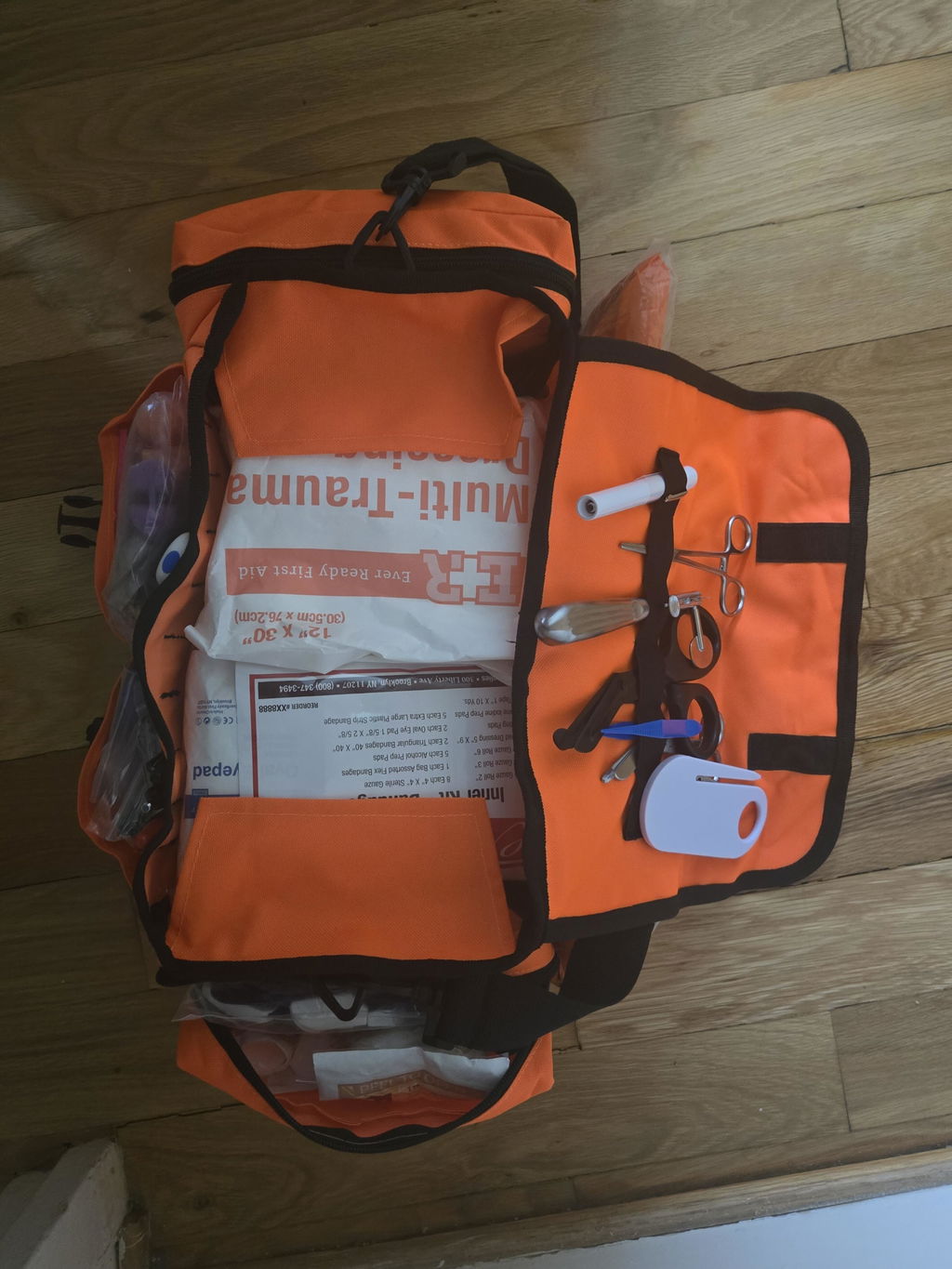
This is a great kit if you're looking for a higher-level bag. The individual pieces are good quality and it packs tightly--that's good but it doesn't leave a ton of room if you want to add anything.
Hi Daniel, thanks for highlighting the quality and compact design of our trauma bag. We’re committed to providing reliable, high-level first aid solutions that keep you prepared. We appreciate your support!