M.A.R.C.H. is not a mnemonic invented for a training slide. It is the casualty-assessment sequence built into Tactical Combat Casualty Care (TCCC), the standard the Committee on Tactical Combat Casualty Care (CoTCCC) maintains for the Department of Defense, and the same logic that underlies the DHS Stop the Bleed initiative for civilians. The order is not arbitrary. It ranks interventions by how fast each threat kills, and it tells the responder exactly where to spend the first sixty seconds.
Uncontrolled bleeding is the leading cause of preventable death after traumatic injury, according to DHS Stop the Bleed. A severed femoral or brachial artery can exsanguinate a casualty in three to five minutes per TCCC Guidelines. Rural EMS response averages 14 or more minutes nationally, and exceeds 30 minutes in some counties, per NHTSA data. M.A.R.C.H. exists to close that gap. It is a protocol built for the person standing next to the casualty, not the one arriving twenty minutes later.
What M.A.R.C.H. Stands For
Each letter represents a category of injury, addressed in strict priority order because each carries a different timeline to death:
- Massive Hemorrhage — Stop life-threatening bleeding before anything else. This step comes first because exsanguination is the fastest killer on the list.
- Airway — Clear and secure the airway. Oxygen deprivation causes irreversible brain damage within minutes.
- Respiration — Assess breathing and seal penetrating chest wounds to prevent tension pneumothorax.
- Circulation — Check pulse quality, skin temperature, and mental status to catch shock before it becomes irreversible.
- Head Injury & Hypothermia — Protect against secondary brain injury and body-temperature loss, both of which compound the first four problems if ignored.

Why the Order Is the Standard, Not a Suggestion
TCCC ranks Massive Hemorrhage first because it is the fastest-acting threat on the list. A responder who checks airway before controlling a spurting arterial bleed is following outdated first-aid training, not the current battlefield-proven standard. The CoTCCC has revised TCCC guidelines for decades based on documented combat casualty data, and hemorrhage control has held the top slot since the framework's earliest versions. ViTAC builds every trauma kit and IFAK around that sequence. It is not house style. It is the standard the gear has to support.
Applying the steps out of order costs time the casualty does not have. Sealing a chest wound before controlling a leg bleed can mean the difference between a survivable call and a preventable death. The standard exists precisely so responders do not have to improvise priority under stress.
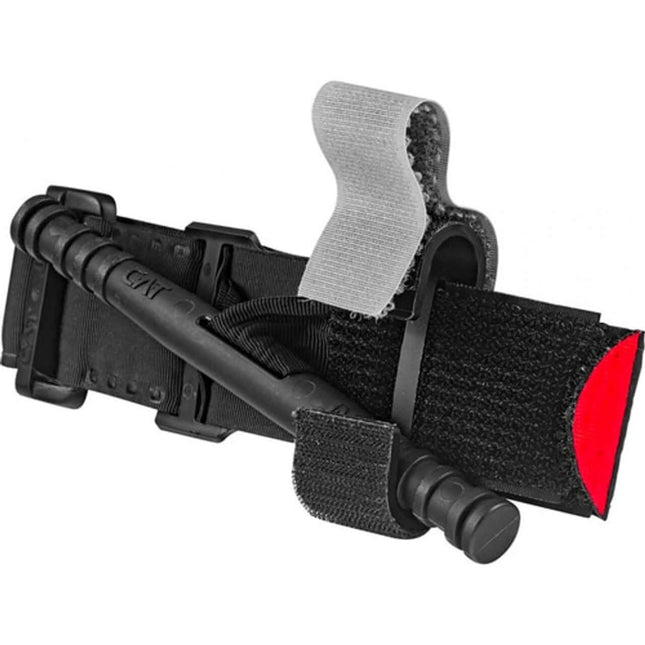
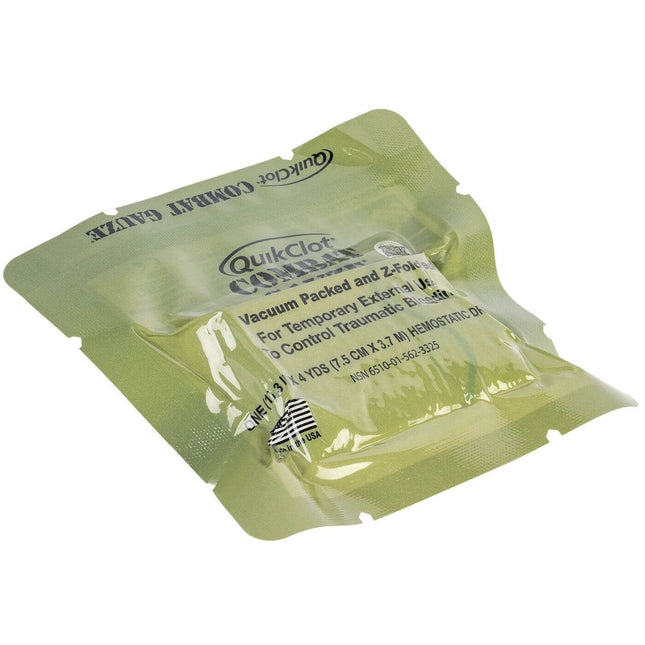
If your IFAK or trauma kit does not map cleanly to M.A.R.C.H. — a tourniquet for hemorrhage, an NPA for airway, a chest seal for respiration, a pressure dressing and shock-management tools for circulation, and a thermal blanket for hypothermia — it is not TCCC-aligned. Audit your kit against the sequence, not against a generic supply list.
The Compressed Standard: Bleeding, Breathing, Blood Flow
Under stress, five steps are harder to recall than three. TCCC training commonly compresses M.A.R.C.H. into "Bleeding, Breathing, Blood Flow" as a memory aid for the highest-priority actions, without changing the underlying standard.
| Compressed Step | What It Covers | Immediate Action |
|---|---|---|
| Bleeding | Massive Hemorrhage | Tourniquet high and tight on limb bleeds; hemostatic gauze packed into deep wounds; direct pressure everywhere else |
| Breathing | Airway + Respiration | Jaw-thrust or NPA for airway; vented chest seal on penetrating chest wounds |
| Blood Flow | Circulation | Assess for shock — pale skin, weak pulse, confusion; treat and monitor until handoff |
Massive hemorrhage is addressed first in every TCCC-based protocol because it is the fastest-acting threat to life on the casualty-care sequence.Committee on Tactical Combat Casualty Care
Applying M.A.R.C.H. Without Advanced Medical Training
M.A.R.C.H. was built to be executable by non-medical personnel under stress. That is why it scales from military medics to law enforcement to prepared civilians. The skill floor is low: identify the bleed, apply the tourniquet, check the airway, seal the chest wound, watch for shock. The equipment floor is not low. A compliant kit needs a real tourniquet, real hemostatic gauze, and a real chest seal, not generic bandages relabeled as trauma gear.
For a full breakdown of what belongs in a compliant kit by component, see our IFAK buying guide and our first aid kit vs. trauma kit breakdown.
FAQ
Is M.A.R.C.H. the same as TCCC?
M.A.R.C.H. is the casualty-assessment sequence within TCCC (Tactical Combat Casualty Care), the standard maintained by the CoTCCC for battlefield and tactical medicine. TCCC is the broader doctrine; M.A.R.C.H. is its priority-of-treatment algorithm.
Why does Massive Hemorrhage come before Airway?
Because it kills faster. Severe arterial bleeding can cause death by exsanguination in three to five minutes per TCCC Guidelines, while airway obstruction typically allows a longer window before irreversible damage sets in. The sequence ranks threats by speed to death, not by anatomical order.
Can a civilian legally carry and use M.A.R.C.H.-compliant gear?
Yes. Tourniquets, hemostatic gauze, and chest seals are legal for civilian purchase and use in the United States, and CARES Act changes in 2020 made these supplies HSA/FSA-eligible without a prescription requirement under IRS guidance.
Bottom Line
M.A.R.C.H. is not optional guidance. It is the TCCC-derived standard that determines whether a bystander's intervention helps or wastes critical time. Uncontrolled bleeding remains the leading cause of preventable death after traumatic injury, and the first three to five minutes after a major bleed decide the outcome. A kit that maps to M.A.R.C.H. — tourniquet, hemostatic gauze, chest seal, airway adjunct, shock and hypothermia management — is the only kit worth carrying.
Build a kit that matches the standard: shop ViTAC's Emergency Medical Trauma Kits, engineered around the M.A.R.C.H. sequence from the ground up.