The terms sound interchangeable. They are not. A first aid kit and a trauma kit are built for different categories of injury, organized around different physiological priorities, and fail completely at each other's jobs.
Understanding the difference does not require medical training. It requires five minutes of honest thinking about the injuries that hurt people versus the injuries that kill them.
The Distinction That Matters
First aid kits stock for probability. The average household injury is a cut, burn, blister, or sprain. Those injuries need cleansing, bandaging, and time. They are painful, occasionally serious, and almost never immediately fatal. A standard first aid kit handles them well.
Trauma kits stock for severity. Arterial hemorrhage, penetrating chest wounds, and airway compromise have a narrow treatment window — measured in minutes. The items that address these injuries (CoTCCC-approved tourniquets, hemostatic gauze, vented chest seals) do not belong in a standard first aid kit, and the items in a standard first aid kit do not address them.
Both kits are necessary. They do not overlap. They do not replace each other.
What a First Aid Kit Is For
A first aid kit is built around the injuries you will actually encounter week to week: cuts that need closure, burns that need cooling and dressing, blisters that need protection, minor sprains, headaches, and allergic reactions. It provides the tools and medications to stabilize common injuries and reduce infection risk.
A complete home first aid kit includes:
- Wound care: Adhesive bandages in multiple sizes, sterile gauze pads, medical tape, wound closure strips
- Cleansing: Antiseptic wipes, sterile saline, antibiotic ointment
- Burn care: Burn gel, non-stick dressings, cooling wipes
- OTC medications: Pain relievers, antihistamines, antacids, hydrocortisone cream
- Splinting and support: Elastic bandages, SAM splints for fracture stabilization
- Tools: Scissors, tweezers, disposable gloves, first aid manual

What a Trauma Kit Is For
A trauma kit is built around the injuries that kill people before EMS arrives. The clinical framework it follows — MARCH (Massive Hemorrhage, Airway, Respiration, Circulation, Hypothermia) — was developed by the Committee on Tactical Combat Casualty Care and has been validated in both military and civilian trauma settings.
A complete trauma kit contains:
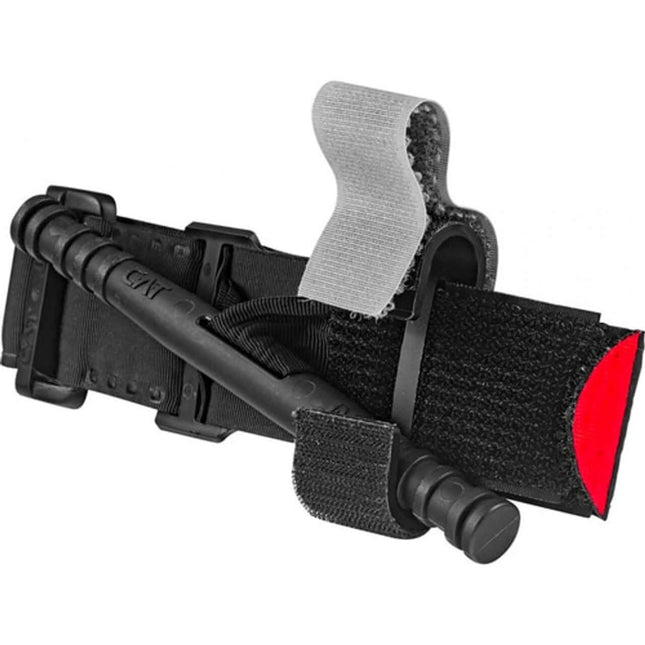
- Tourniquet (CoTCCC-approved): CAT Gen 7 or SOFTT-W — for arterial or venous hemorrhage from extremity wounds. This is not a bandage. It stops blood flow completely.
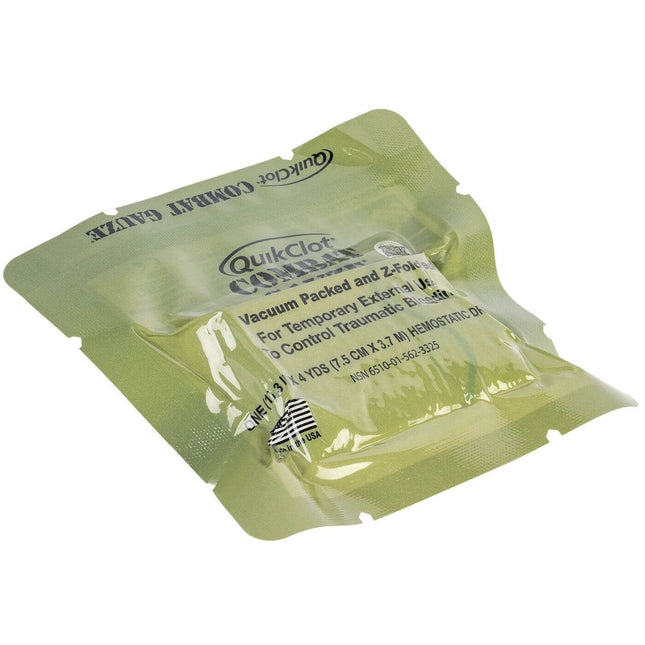
- Hemostatic gauze: QuikClot Combat Gauze — packed directly into wounds where a tourniquet cannot be applied (neck, groin, armpit, shoulder).
- Pressure dressing: Israeli-style compression bandage applied after gauze packing to maintain sustained pressure.
- Chest seals (vented): HyFin twin pack — applied to both entry and exit of penetrating chest wounds to prevent tension pneumothorax.
- Nasopharyngeal airway (NPA): For airway compromise in unconscious victims. Requires training.
- Emergency blanket: Hypothermia management. Blood loss and shock drive body temperature down rapidly.
A first aid kit keeps a cut from getting infected. A trauma kit keeps someone alive until EMS arrives.— ViTAC Solutions

Side-by-Side: First Aid vs. Trauma
| Category | First Aid Kit | Trauma Kit |
|---|---|---|
| Primary purpose | Treat common, non-life-threatening injuries | Stabilize life-threatening hemorrhage and airway compromise |
| Key items | Bandages, antiseptic, burn gel, OTC medications, splints | Tourniquet, hemostatic gauze, chest seals, pressure dressing, NPA |
| Clinical framework | Standard first aid protocols (Red Cross, AHA) | MARCH/TCCC (CoTCCC-aligned) |
| Training required | Basic first aid certification (recommended) | Stop the Bleed minimum; TCCC/TECC for full proficiency |
| Replaces the other? | No | No |
Where Each Kit Belongs
The placement question is straightforward once you understand what each kit does.
- Home: First aid kit in the kitchen or bathroom for everyday injuries. Trauma kit in a fixed, accessible location — not buried in a closet.
- Vehicle: First aid kit in the glove box. Trauma kit staged on the headrest, seatback, or center console for one-handed access when the driver is incapacitated.
- Workplace: First aid kit per OSHA requirements. Trauma kit for workplaces with elevated injury risk: construction sites, ranges, farms, industrial facilities.
- Backcountry: First aid kit for blister, wound, and medication management. Trauma kit for hunting, remote hiking, or any environment where penetrating trauma or significant bleeding is a realistic risk.
Neither kit is useful without the skills to use it. Stop the Bleed training takes two hours and teaches tourniquet application, wound packing, and direct pressure — the three most critical trauma interventions. Basic first aid and CPR certification rounds out the foundation. Both are available nationwide through the American Red Cross, American College of Surgeons, and local fire departments. Gear is the starting point. Training is what makes it work.
Frequently Asked Questions
Can I just buy a large first aid kit and skip the trauma kit?
No. Standard first aid kits do not include CoTCCC-approved tourniquets, hemostatic gauze, or vented chest seals — and even if you added those items, the kit's organizational structure is not designed for rapid trauma access under stress. A trauma kit is purpose-built to get the right item in your hand in the first 10 seconds. Improvising from a general kit costs time you don't have.
Are trauma kit supplies HSA/FSA eligible?
Many are. ViTAC trauma kits and first aid kits are HSA/FSA eligible, which means you can purchase them with pre-tax healthcare dollars. Check your plan administrator for any item-level restrictions, but bandages, wound care supplies, and many first aid items qualify under most plans.
What if I only have room for one kit in my vehicle?
Prioritize the trauma kit. Everyday injuries are uncomfortable but survivable without treatment for hours. Arterial hemorrhage or a tension pneumothorax will not wait for a hardware store run. A compact rip-away IFAK or the ViTAC Vehicle Trauma Response Kit fits under a seat or mounts to a headrest — it does not require a dedicated storage compartment.
The Bottom Line
The injuries that hurt people and the injuries that kill people are not the same. Your preparedness kit should reflect that. One kit handles the pain. The other handles the crisis. Both are non-negotiable.
Build out both. Stage them where you can reach them. Train on what's inside them.