School Bleed Control Kits: ANSI/ISEA Compliance and Grant Funding
4 min reading time
4 min reading time
Hemorrhage accounts for up to 40% of preventable civilian trauma deaths. In an active-threat event at a school, law enforcement response averages 8–18 minutes. Arterial bleeding kills in 3–5. That gap determines the outcome — and it is closed with a bleed control kit staged in the right location, not a 911 call.
ANSI/ISEA Z308.1-2021 is the national standard for workplace first aid kits. The 2021 revision added tourniquets to Type III kit requirements for the first time. Any facility with 25 or more persons in a controlled environment now requires a tourniquet-equipped kit.
The standard defines minimum compliance, not operational readiness. A Z308.1-compliant kit meets the paperwork requirement. It does not necessarily address the physiological demands of penetrating trauma. Schools and districts serious about preparedness should treat Z308.1 as the floor, not the ceiling.
The STOP School Violence Act — reauthorized under the Bipartisan Safer Communities Act of 2022 — authorizes funding for evidence-based school safety improvements. The Bureau of Justice Assistance (BJA) administers the program. Prior grant cycles have funded schools specifically for bleed control kit procurement and staff training.
Eligible uses under BJA STOP School Violence grants include:
Byrne Justice Assistance Grants (JAG) provide a secondary funding path for law enforcement agencies operating school resource officer programs. Districts coordinating with an SRO program should explore co-funding through both channels. Application windows vary by fiscal year — confirm current deadlines through the BJA grant portal at bja.ojp.gov.
A school bleed control kit designed to address penetrating trauma — the primary mechanism in active-threat events — requires components beyond a minimum Z308.1 kit. The MARCH protocol provides the clinical framework: Massive hemorrhage control first, then Airway, Respiration, Circulation, and Hypothermia prevention.
Minimum TCCC-aligned components for school bleed control stations:
For district procurement, ViTAC trauma kits are configured to TCCC standards. See also: ANSI/ISEA Z308.1 kit requirements — how CoTCCC-aligned kits exceed the compliance minimum.
District procurement offices working through formal bid processes should include the following in the scope of work:
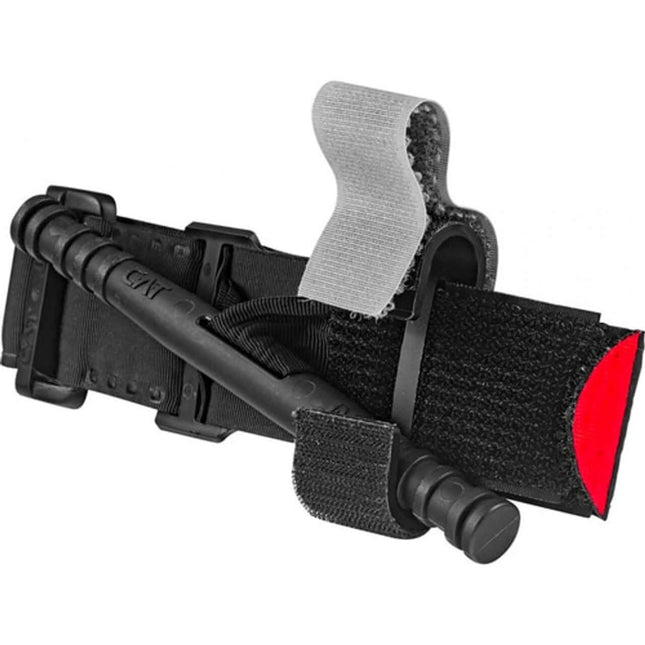
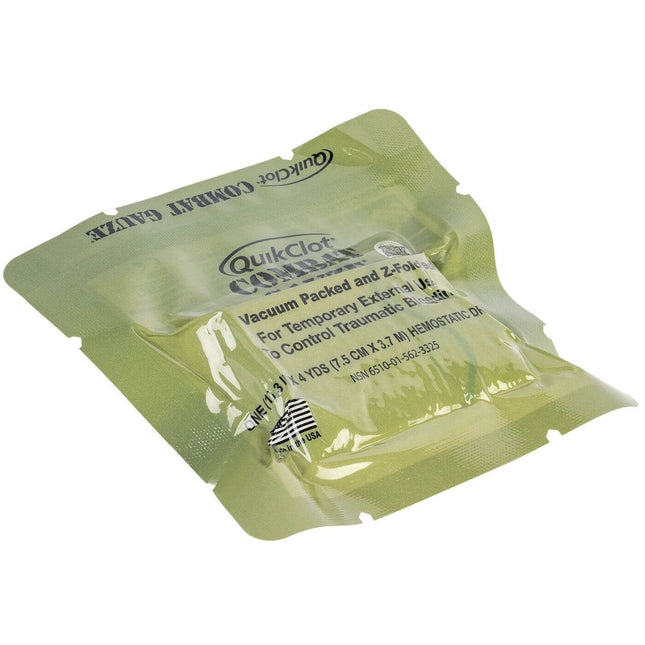
Sole-source justifications for CoTCCC-specified products — CAT Gen 7, QuikClot Combat Gauze Z-Fold — are defensible under most state procurement codes given their status as the documented standard of care. ViTAC supports district-level RFQ submissions with product specifications and volume pricing on request.
What bleed control components does ANSI/ISEA Z308.1 require for schools?
ANSI/ISEA Z308.1-2021 Type III kits require a tourniquet, hemostatic dressing, pressure bandage, and standard wound care supplies for facilities with 25 or more persons. The standard does not mandate specific brands — procurement officers should specify CoTCCC-approved products to ensure operational performance.
Can STOP School Violence grant funds pay for trauma kits and training?
Yes. BJA STOP School Violence grants are eligible for bleed control kit procurement and Stop the Bleed staff training. Districts should review the current grant cycle at bja.ojp.gov and coordinate with law enforcement partners on Byrne JAG co-funding where a school resource officer program is in place.
How often should school bleed control kits be inspected and restocked?
Quarterly inspections are the operational baseline. After any use — including training exercises — all consumed components must be replaced before returning the kit to service. Hemostatic gauze and chest seals require expiration date tracking and scheduled rotation. Assign a named responsible party for each kit location.
Hemorrhage is the leading preventable cause of trauma death. Grant funding exists. Compliance standards are defined. The procurement path is documented. Stage the right kits before the response window opens. View TCCC-aligned trauma kits configured for school and organizational deployment.

OSHA minimum workplace kits don't include a tourniquet. Here's how to calculate station count, stock each station, and build bleed control coverage in any public...

One kit at the main entrance fails the 90-second coverage rule for most buildings. Here's how to run a coverage audit and calculate the correct...

Arterial hemorrhage kills in 3 minutes. Urban EMS takes 7–10. Every business needs CoTCCC-standard bleed control kits — here's how to select, deploy, and train...

40+ states mandate bleed control kits in schools — but most deployment plans miss classrooms and buses. Here's the placement standard that actually works.

Most of our trauma kits and first aid supplies qualify for HSA and FSA reimbursement. Don't let your benefits expire — invest them in gear that could save a life.


$124.95


$279.99

$37.49 - $139.46


$299.95 $269.95


$139.95 - $169.95

$49.95


$25.99


$164.95

We've been downrange. We know what it costs to be unprepared. ViTAC was built by U.S. Army Special Operations veterans to make sure the people who run toward the threat — and the families who depend on them — have gear that works when everything is on the line.
— ViTAC Solutions Founders | 40+ years combined Special Operations experience