First Aid Supplies You Can Buy With HSA or FSA: The Full List
8 min reading time
8 min reading time
HSA and FSA funds apply to any item whose primary purpose is to diagnose, treat, cure, mitigate, or prevent a medical condition — a standard derived from IRS Publication 502. For first aid and trauma supplies, this covers a wide range: from basic wound care to TCCC-standard bleeding control gear. The full list below is organized by category.
For guidance on selecting a kit and navigating retailer HSA designations and documentation, see Buying a First Aid Kit With Your HSA: What Actually Qualifies.
| Category | Eligible | Generally Not Eligible |
|---|---|---|
| Wound care | Sterile gauze, adhesive bandages, antiseptics, medical tape, wound closure strips | Cosmetic bandages, decorative first aid kits |
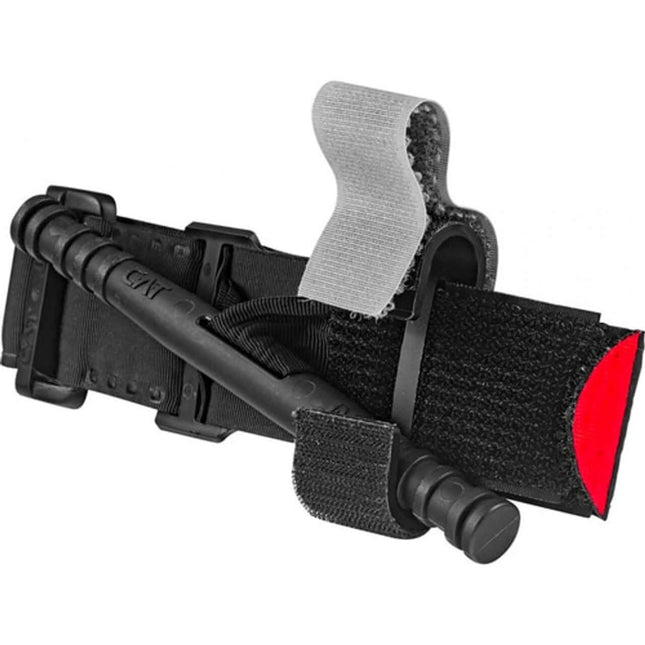
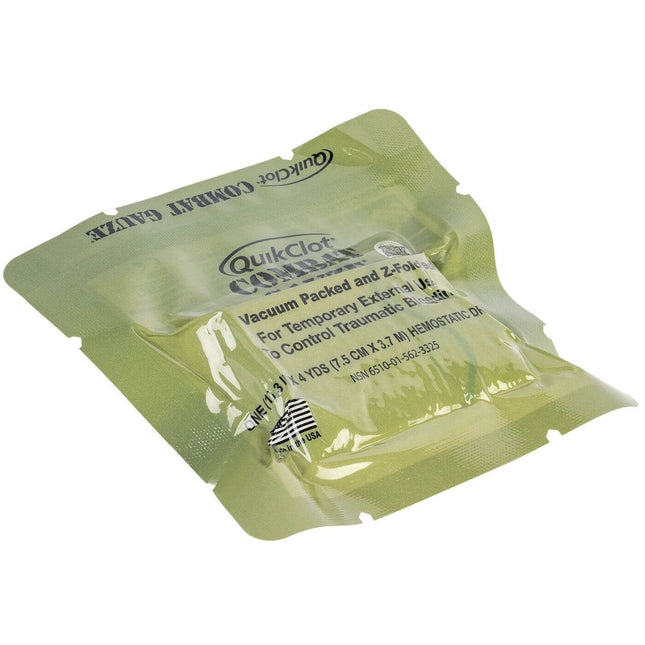
| Trauma/bleeding control | Tourniquets, hemostatic gauze, pressure dressings, chest seals, NPAs | Tactical pouches/carriers (accessory, not medical device) |
| OTC medications | Pain relievers, antihistamines, antibiotic ointments, hydrocortisone cream, burn treatments | General vitamins, supplements without medical indication |
| Specialty supplies | Eye wash, SAM splints, emergency blankets, cold/hot packs | General outdoor gear, nutrition products |
| Hygiene/PPE | Nitrile gloves, CPR breathing barriers | Regular soap, personal hygiene products |
When in doubt, verify with your plan administrator. Individual plan administrators have discretion to interpret eligibility within the IRS framework. The categories above reflect the standard IRS treatment, not a guarantee of coverage under any specific plan.
Adhesive bandages (all sizes and shapes), sterile gauze pads, non-stick wound pads, and medical tape all qualify. Maintain a supply of both standard and larger formats — adhesive strips for minor lacerations, gauze pads and rolls for larger wounds requiring coverage or compression. Sterile butterfly bandages for wound edge closure are also HSA/FSA eligible.
Antiseptic wipes, hydrogen peroxide, and isopropyl alcohol solutions are eligible for wound cleaning. These are standard OTC items with direct medical application — no documentation questions arise at the plan administrator level.
OTC pain relievers — ibuprofen, acetaminophen, naproxen — qualify under IRS Publication 502 for treatment of pain, fever, and inflammation. Topical treatments for minor burns, insect bites, and skin irritations are eligible. Aloe vera gel sold specifically for burn or wound treatment qualifies; the same product marketed as a cosmetic or skin moisturizer does not.
Burn-specific dressings, burn creams and gels (medical-grade), and sterile non-adherent pads for burn coverage all qualify. Keep these separate from general wound care — burn tissue requires non-adherent coverage to avoid disrupting the healing surface.
Sterile gauze in multiple formats — pads for direct wound coverage, rolls for securing dressings on limbs — is eligible and should be stocked in varying sizes. Gauze rolls provide compression and conformability that adhesive bandages cannot achieve on irregular anatomy.
Medical adhesive tapes (hypoallergenic, standard), elastic bandages for compression and securing dressings, and cohesive wraps all qualify. Elastic bandages serve double duty in sprains and strains — both the compression application and the dressing-securing application are medically purposeful.
Trauma shears (blunt-tip scissors designed to cut through clothing and gear without injuring the patient) and tweezers for splinter and debris removal are eligible. These are medical instruments with a direct treatment function, not general household tools.
Instant cold packs and reusable gel packs for managing acute injury swelling and inflammation qualify. Hot packs for chronic muscle soreness and stiffness also qualify when used for injury treatment. The same pack used for general wellness or comfort without a medical condition does not.
Trauma-grade bleeding control components are among the most clearly eligible items under IRS Publication 502 — their primary purpose is direct medical treatment of life-threatening injury. All components below qualify without a prescription.
Pre-built trauma kits containing these components are HSA/FSA eligible for the medical contents. Request an itemized receipt that separates the medical supplies from any carrier or pouch — the carrier is an accessory, not a medical device, and may not be reimbursable. The Small Rip-Away Tactical Trauma Kit is a compact HSA/FSA-eligible option for vehicle, go-bag, and on-body staging.
For a complete breakdown of trauma kit components and pre-tax purchase strategy, see Trauma Kits and HSA/FSA: Pre-Tax Dollars for Bleeding Control Gear.
Sterile eye wash solutions for flushing dust, debris, and chemical irritants from the eyes are eligible. These are OTC medical supplies with a single clear medical application.
SAM splints, moldable splinting materials, and improvised splinting supplies used to immobilize suspected fractures and sprains for transport to definitive care are eligible. This is injury management, not general wellness — the primary purpose test is satisfied.
Mylar emergency blankets for hypothermia prevention in injured or shocked patients qualify as medical supplies. These are standard TCCC components for the Hypothermia Prevention step of the MARCH trauma framework. A blanket purchased for general camping comfort does not qualify.
Topical antibiotic ointments (bacitracin, neomycin combinations) for infection prevention in minor wounds are eligible OTC medical items.
Oral and topical antihistamines for allergic reactions, insect bites, and stings qualify under IRS Publication 502. The CARES Act (2020) expanded OTC medication eligibility to include antihistamines without a prescription requirement — confirm current coverage with your administrator, as FSA plan rules vary by employer.
Low-potency topical hydrocortisone for rash, contact dermatitis, and allergic skin reactions is an eligible OTC treatment. Used specifically for a medical skin condition, it clears the primary purpose test.
Nitrile examination gloves used for BSI (Body Substance Isolation) during trauma care are eligible. These are medical-grade PPE with a direct function in treating injuries — not general household gloves. Stock at minimum two pairs per kit.
CPR face shields and pocket masks with one-way valves for rescue breathing are eligible medical devices. They are standard components in full first aid kits and are used exclusively for resuscitation intervention.
Field Note: Keep Itemized Receipts
The IRS can audit HSA/FSA withdrawals for up to three years after filing. An itemized receipt — listing each item by name and price — is your documentation that each purchase was a qualified medical expense. A receipt showing only a total amount may not satisfy your administrator on review, particularly for kit purchases that include a carrier. Request itemized documentation at checkout and store it digitally.
No, for standard OTC first aid supplies. Bandages, antiseptics, gauze, pain relievers, tourniquets, and hemostatic gauze are all available without a prescription or Letter of Medical Necessity. A Letter of Medical Necessity may be requested by some administrators for unusual or high-cost items, but this is uncommon for standard trauma supplies.
Items whose primary purpose is general wellness, cosmetic, or recreational do not qualify. Examples: vitamins and general supplements without a specific medical indication, cosmetic bandages, regular soap and hygiene products, outdoor gear that has a secondary first aid application but is primarily for sport or recreation. When the item's primary purpose is medical treatment, it qualifies.
Yes, for the medical contents. Request an itemized receipt that separates medical supplies from any carrying case or organizational pouch. The medical components are eligible; the bag itself is generally not. Most plan administrators process reimbursement for the itemized medical contents without issue.
From bandages and antiseptics to tourniquets and chest seals, a wide range of first aid and trauma supplies qualifies for HSA and FSA reimbursement under IRS Publication 502. The governing principle is simple: if the item's primary purpose is to treat or prevent a medical condition, it qualifies. Keep itemized receipts and verify edge cases with your plan administrator.
Shop HSA/FSA-Eligible First Aid Kits

OSHA minimum workplace kits don't include a tourniquet. Here's how to calculate station count, stock each station, and build bleed control coverage in any public...

One kit at the main entrance fails the 90-second coverage rule for most buildings. Here's how to run a coverage audit and calculate the correct...

Arterial hemorrhage kills in 3 minutes. Urban EMS takes 7–10. Every business needs CoTCCC-standard bleed control kits — here's how to select, deploy, and train...

40+ states mandate bleed control kits in schools — but most deployment plans miss classrooms and buses. Here's the placement standard that actually works.

Most of our trauma kits and first aid supplies qualify for HSA and FSA reimbursement. Don't let your benefits expire — invest them in gear that could save a life.


$124.95


$279.99

$37.49 - $139.46


$299.95 $269.95


$139.95 - $169.95

$49.95


$25.99


$164.95

We've been downrange. We know what it costs to be unprepared. ViTAC was built by U.S. Army Special Operations veterans to make sure the people who run toward the threat — and the families who depend on them — have gear that works when everything is on the line.
— ViTAC Solutions Founders | 40+ years combined Special Operations experience