Buying a First Aid Kit With Your HSA: What Actually Qualifies
8 min reading time
8 min reading time
Most of what belongs in a first aid kit qualifies as a medical expense under IRS Publication 502 — which means your HSA funds can cover it. Bandages, tourniquets, hemostatic gauze, chest seals, pressure dressings, and CPR masks all clear the eligibility threshold. The carrier they come in typically does not. Here is what you need to know to buy smart and document correctly.
Under IRS Publication 502, a "qualified medical expense" is any amount paid for the diagnosis, cure, mitigation, treatment, or prevention of disease, or for the purpose of affecting any structure or function of the body. Supplies that treat injuries clear that standard directly.
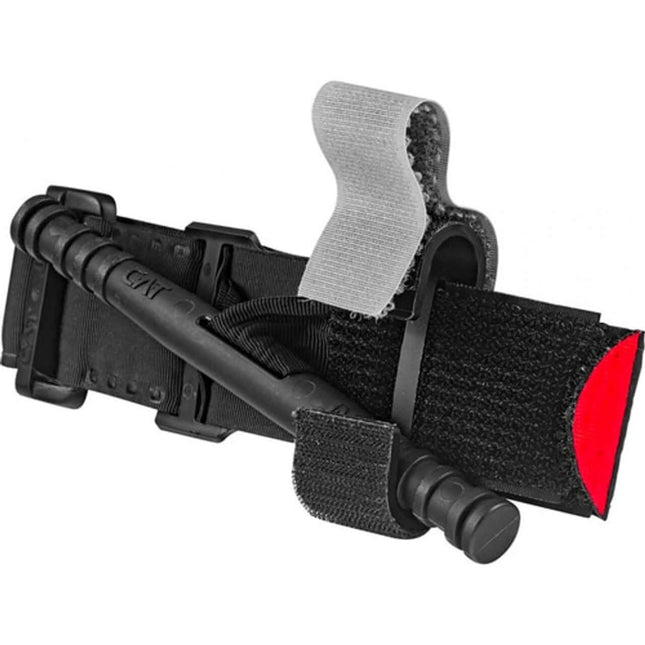
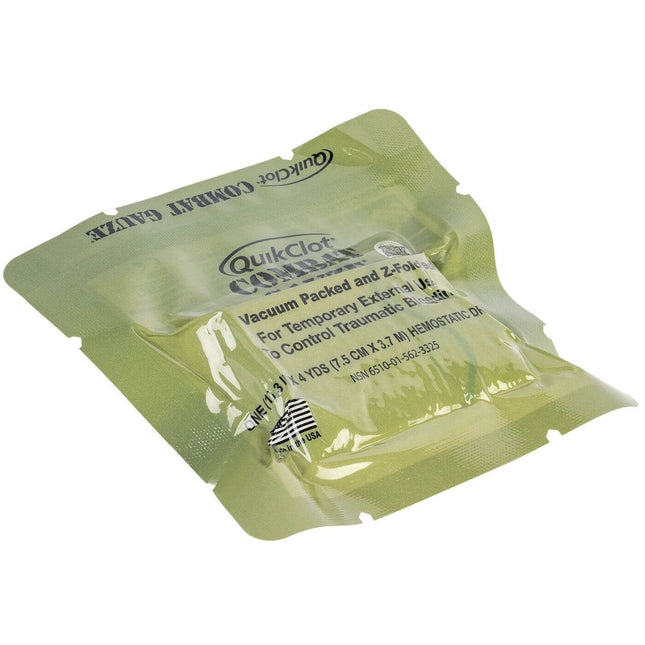
If an item's main function is treating an injury or medical condition, it qualifies. Bandages, antiseptic wipes, and gauze pads treat wounds. Tourniquets and hemostatic gauze stop life-threatening bleeding. Chest seals address penetrating thoracic trauma. Items whose primary purpose is general wellness, comfort, or storage — vitamins taken without a medical prescription, the kit bag itself — do not.
Field Note: Verify Before You Buy
The core test is whether the item directly addresses a diagnosed medical condition or an acute injury. If you are unsure about a specific product, call your HSA administrator before purchase — not after.
The right kit depends on your environment and risk profile. Eligibility is consistent across kit types. The medical contents qualify; the storage container does not.
Bandages, sterile gauze pads in multiple sizes, medical tape, antiseptic wipes, trauma dressings, and elastic bandages all qualify. Maintain a supply of both standard and larger formats: adhesive strips for minor lacerations, gauze pads and rolls for larger wounds requiring coverage or compression.
Trauma-grade bleeding control components are among the most clearly eligible items under IRS Publication 502 — all qualify without a prescription:
For a detailed breakdown of trauma kit components and eligibility, see Trauma Kits and HSA/FSA: Pre-Tax Dollars for Bleeding Control Gear.
| Equipment | Primary Use | HSA/FSA Eligible |
|---|---|---|
| Tourniquet | Severe extremity bleeding | Yes |
| Chest Seals | Penetrating chest wounds | Yes |
| Hemostatic Gauze | Uncontrolled bleeding | Yes |
| Splinting Materials | Fracture stabilization | Yes |
| Emergency Blankets | Shock and hypothermia | Yes |
| CPR Masks | Respiratory emergencies | Yes |
| Kit Bag / Pouch | Storage | No |
Field Note: Primary Medical Purpose Is the Standard
Items designed specifically to treat injuries or medical conditions qualify under IRS Publication 502. Keep product descriptions that state each item's medical function — documentation matters when administrators request proof of qualified expense status.
A home kit, a vehicle kit, and a workplace kit serve different scenarios. Eligibility rules are the same across all three — only the contents vary by environment.
A home kit should cover common family emergencies: cuts, burns, sprains, and the potential for more serious injury. Core components: bandages and gauze in multiple sizes, antiseptic wipes, burn care supplies, and at minimum one tourniquet with hemostatic gauze for households in areas with extended EMS response times. The ViTAC General Purpose First Aid Kit Pro provides full-format coverage with a CAT Gen 7 included.
Vehicle kits need to handle roadside incidents. Beyond standard wound care, include a tourniquet, hemostatic gauze, and a pressure dressing — the components most relevant to vehicle trauma injuries. Non-medical items like flashlights and multi-tools do not qualify for HSA reimbursement under the primary medical purpose standard.
Workplace kits often need to meet ANSI/ISEA Z308.1 or OSHA standards — coordinate with your safety officer before purchasing. Core priorities: wound care, eye wash solution, CPR masks, and trauma-grade bleeding control for high-risk environments. Emergency blankets for shock and hypothermia prevention are also eligible — standard components in the Hypothermia Prevention step of the MARCH trauma framework.
Field Note: Layer Your Coverage
Multiple kits in different locations outperform one comprehensive kit stored in a single place. A kit in the kitchen, one in the vehicle, and one in a range bag ensures coverage across daily environments. Check expiration dates and restock quarterly.
Itemized documentation is the non-negotiable requirement for HSA reimbursement of first aid kit purchases.
Most HSA providers issue a debit card. Use it directly at checkout for eligible items. If the card is declined — common for specialty medical items not in standard pharmacy systems — pay out-of-pocket and submit for reimbursement. A card decline does not indicate ineligibility.
HSAs roll over year to year with no use-it-or-lose-it deadline. FSA accounts typically run on a calendar year — verify your plan rules and schedule purchases before the cutoff. Some FSA plans offer a short grace period or limited rollover; confirm with your administrator.
Field Note: Ask for the Invoice
When buying a pre-assembled kit, ask the vendor for a detailed packing list or invoice before purchasing. A clear breakdown of each component and its cost makes reimbursement faster and eliminates ambiguity for the administrator reviewing the claim.
Yes. First aid kits are qualified medical expenses under IRS Publication 502 because they treat, prevent, or mitigate injuries and medical conditions. The medical components inside qualify — bandages, tourniquets, hemostatic gauze, chest seals. The bag or pouch holding them typically does not.
No. Standard first aid supplies — bandages, gauze, tourniquets, antiseptic wipes, hemostatic dressings — are over-the-counter items. No prescription is required. The exception is prescription medications or items requiring a letter of medical necessity for a specific diagnosed condition.
Request an itemized invoice from the seller listing each component and its individual cost. If the receipt shows only "First Aid Kit" as a single line total, your administrator may flag it. A component-level invoice, supplemented by product descriptions stating each item's medical purpose, is the correct documentation to retain.
Under IRS Publication 502, the medical contents of a first aid kit — tourniquets, hemostatic gauze, bandages, chest seals, pressure dressings — qualify for HSA and FSA reimbursement. The carrier does not. Keep itemized receipts, verify eligibility with your administrator before large purchases, and retain documentation for three years.
Shop HSA/FSA-Eligible First Aid Kits

OSHA minimum workplace kits don't include a tourniquet. Here's how to calculate station count, stock each station, and build bleed control coverage in any public...

One kit at the main entrance fails the 90-second coverage rule for most buildings. Here's how to run a coverage audit and calculate the correct...

Arterial hemorrhage kills in 3 minutes. Urban EMS takes 7–10. Every business needs CoTCCC-standard bleed control kits — here's how to select, deploy, and train...

40+ states mandate bleed control kits in schools — but most deployment plans miss classrooms and buses. Here's the placement standard that actually works.

Most of our trauma kits and first aid supplies qualify for HSA and FSA reimbursement. Don't let your benefits expire — invest them in gear that could save a life.


$124.95


$279.99

$37.49 - $139.46


$299.95 $269.95


$139.95 - $169.95

$49.95


$25.99


$164.95

We've been downrange. We know what it costs to be unprepared. ViTAC was built by U.S. Army Special Operations veterans to make sure the people who run toward the threat — and the families who depend on them — have gear that works when everything is on the line.
— ViTAC Solutions Founders | 40+ years combined Special Operations experience