Camping First Aid Kit - What to Pack for Each Season
6 min reading time
6 min reading time
When help may be hours away, your first aid kit becomes the first line of care. Use this field-tested guide to build a kit that’s fast to find, easy to use, and tailored to your route and season.
Quick jump: Explore our Outdoor & Remote Adventure collection →
Want pro-grade, ready-to-pack? See the Advanced Adventurer First Aid Kit →
A great camping first aid kit isn’t “everything.” It’s the right things, staged for speed, covering the injuries you’ll actually see: bleeding, wounds/burns, sprains, blisters—plus basic meds and tools.

Prefer a ready-built solution? The Advanced Adventurer First Aid Kit organizes bleed control and wound care on top—roomy enough for personal meds without excess bulk.
A soaked kit is slow—and sometimes unusable. Build in layers:
For most backcountry routes, blend both: trauma-forward top layer + organized outdoor care underneath.
Summer (heat, sun, insects). Add extra electrolytes/ORS, high-SPF sunscreen and lip balm, after-sun lotion, insect repellent and bite/sting relief, tick key, and a little extra blister care.

Winter (cold, snow, ice). Pack a second space blanket or a bivy, chemical hand warmers, lip/skin barrier ointment, and windburn protection. Slips mean more sprains—carry an extra elastic wrap and ensure tape stays warm so it adheres.
Desert (heat, dust, thorns). Bring more irrigation, eyewash, and layered dressings for abrasion. Fine-tip tweezers (and even a bit of duct tape) help with cactus spines; plan on extra electrolytes.
Alpine & high elevation. UV spikes: add high-UV sunscreen and wrap-around sunglasses. Steep terrain = more blister prevention and a compact splint. Keep everything compact, waterproof, and glove-accessible.
Family camping. Add a pediatric dosing card and child-appropriate meds, more adhesive bandages, a thermometer, and extra gloves/wipes for frequent minor care.
Use three questions to size your loadout:
1. How far from help? If evacuation is hours away, keep trauma + wound care robust.
2. How many people? Add redundancy for groups—extra gloves, gauze, tape, and ORS.
3. What environment? Heat, cold, altitude, water, and animals dictate which add-ons earn their place.
Stick to clearly labeled basics you’ll actually use: a pain reliever, antihistamine, anti-diarrheal, anti-nausea, antacid, and ORS/electrolytes.
Add your personal prescriptions and any condition-specific needs (e.g., inhaler).
Keep original labels in a small sleeve; decant working quantities into mini vials or pouches to save space and weight.
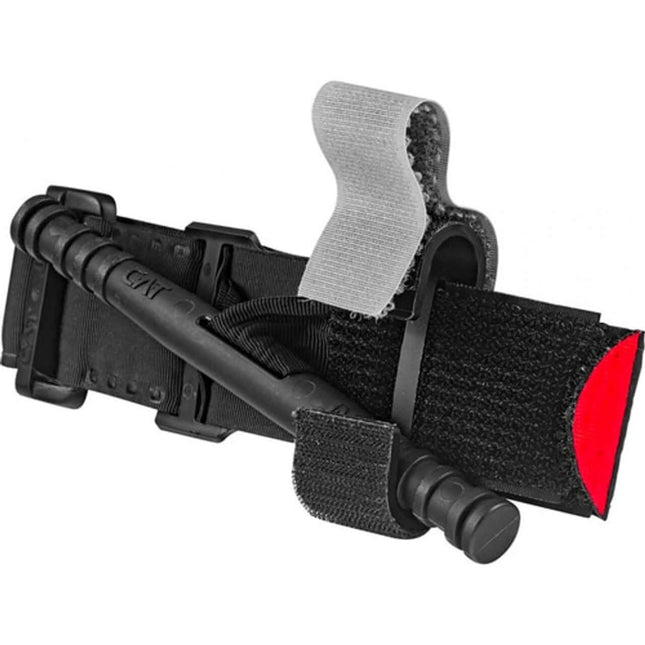
If you travel off-grid, yes—a well-staged tourniquet with a pressure dressing and gauze gives you a real plan for knife slips, tool mishaps, or falls with serious bleeding.
Practice application with gloves until it’s smooth. Note the time of application with your mini marker.
Think “open → grab → act.” Put trauma items on top. Keep modules simple and labeled, not rainbow-coded chaos.
Use a high-contrast interior so you can see items at dusk.
Repack the same way every time—muscle memory beats stress.

Next step: Explore ready-made options in our Outdoor & Remote Adventure collection →
Want pro-grade, ready-to-carry? The Advanced Adventurer First Aid Kit is purpose-built for remote environments. →

OSHA minimum workplace kits don't include a tourniquet. Here's how to calculate station count, stock each station, and build bleed control coverage in any public...

One kit at the main entrance fails the 90-second coverage rule for most buildings. Here's how to run a coverage audit and calculate the correct...

Arterial hemorrhage kills in 3 minutes. Urban EMS takes 7–10. Every business needs CoTCCC-standard bleed control kits — here's how to select, deploy, and train...

40+ states mandate bleed control kits in schools — but most deployment plans miss classrooms and buses. Here's the placement standard that actually works.

Most of our trauma kits and first aid supplies qualify for HSA and FSA reimbursement. Don't let your benefits expire — invest them in gear that could save a life.


$124.95


$279.99

$37.49 - $139.46


$299.95 $269.95


$139.95 - $169.95

$49.95


$25.99


$164.95

We've been downrange. We know what it costs to be unprepared. ViTAC was built by U.S. Army Special Operations veterans to make sure the people who run toward the threat — and the families who depend on them — have gear that works when everything is on the line.
— ViTAC Solutions Founders | 40+ years combined Special Operations experience