MediTac Bleeding Control Pack: Vacuum-Sealed IFAK for Your Vehicle
6 min reading time
6 min reading time
A vehicle trauma kit fails for one of three reasons: it is too big to stage where you can reach it, it is too cheap to perform when you need it, or it is too disorganized to deploy under stress. The MediTac Bleeding Control Pack was designed to solve all three. Vacuum-sealed, focused on the MARCH-priority interventions, sized to fit in a glove box or center console — it is one of the most practical entry points into serious vehicle trauma readiness in the ViTAC catalog.
Here is what is in it, why each piece is in it, and where it fits in your overall vehicle trauma loadout.
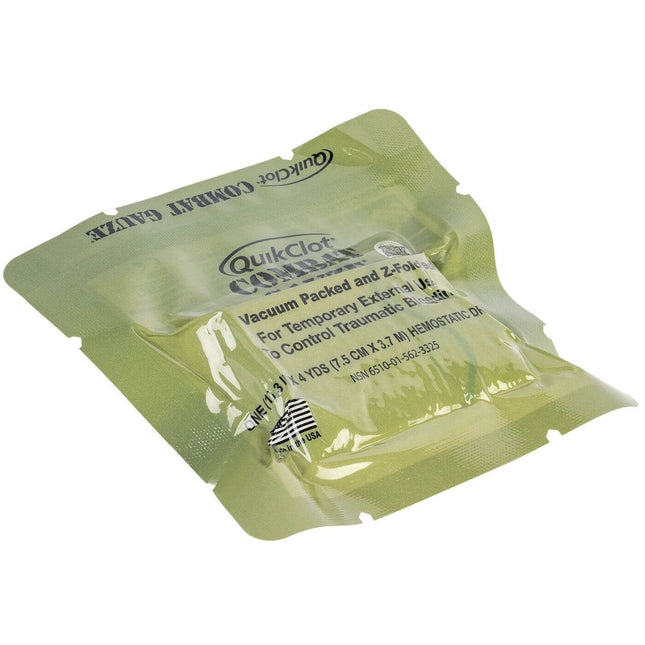
The MediTac Intermediate Bleeding Control Pack is a 16-piece, vacuum-sealed IFAK built for compressible-hemorrhage response. Every component supports the first two priorities of the MARCH framework — Massive Hemorrhage and Airway — with the rest stripped out to keep the footprint small.
The pack is vacuum-sealed in a low-profile pouch — roughly the size of a paperback book. That sealing matters: it keeps the contents dust-free, water-resistant, and untouched by the heat cycling that destroys lesser kits in a vehicle interior.
Vehicle interiors are hostile environments for medical gear. Summer dashboard temperatures routinely exceed 140°F. Adhesive on chest seals breaks down. Gauze packaging warps. Tourniquet elastic loses its retention. The vacuum-seal on the MediTac pack is the difference between a kit that performs in year three and a kit that fails when you cut it open.
The other half of the case for vacuum-sealed packs: when you need this kit, you are not casually unzipping a pouch. You are tearing it open one-handed while applying pressure with the other. The sealed format means everything is exactly where it was packed — no items shifted, no critical component buried under a plastic case insert.
Field Note: One-Time Open
A vacuum-sealed pack is opened once — when it is being used. Do not break the seal to "inspect" the kit. Inspect it visually through the clear pouch. Once the seal is broken, the kit is decommissioned and needs to be replaced or moved into a regular IFAK pouch with a documented re-seal date.
The Intermediate Bleeding Control Pack is best understood as a layer, not a complete solution. Most serious vehicle setups run two layers:
| Layer | Format | Stage Location | Role |
|---|---|---|---|
| Primary | Rip-away IFAK pouch | Door pocket, headrest mount, under driver's seat | First 60 seconds of response, daily-use kit |
| Backup / restock | MediTac Bleeding Control Pack (vacuum-sealed) | Glove box, center console, behind passenger seat | Second-casualty response, primary-kit replacement, long shelf life |
If you have nothing in the vehicle yet and budget is the constraint, the MediTac pack is a defensible single-kit starting point — it covers the bases. If your vehicle already has a primary IFAK staged in the cabin, the MediTac pack is the natural backup.
The pack matches three real use cases:
If you are using the MediTac pack as your primary, layer in these adjuncts:
Five years is the conservative shelf-life estimate for the contents in their sealed packaging. Heat cycling in a vehicle interior shortens that — rotate the pack at year three if it lives in a daily driver in a hot climate. Inspect the pouch visually every six months for seal damage.
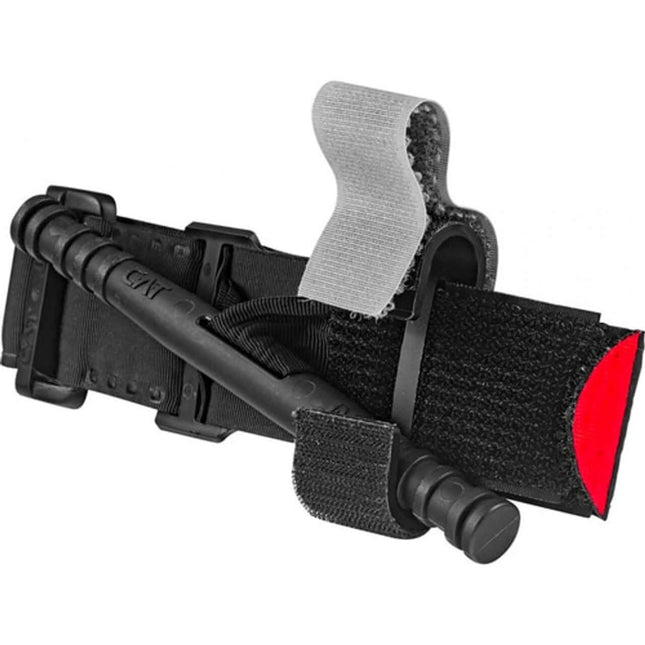
The CAT Gen 7 is the gold-standard windlass tourniquet and the default recommendation in the ViTAC catalog. The MediTac windlass is a solid windlass-style tourniquet and meets the standard for compressible-extremity hemorrhage control. If you have the option to stage a CAT Gen 7 separately as your primary tourniquet and keep the MediTac pack sealed for backup, that is the strongest setup.
Yes — the vented chest seals are paired specifically for that purpose. Penetrating thoracic trauma needs an entry seal and an exit seal, and both are in the pack. Apply during the R (Respiration) step of MARCH.
The MediTac Bleeding Control Pack is a focused, vacuum-sealed IFAK built for the way vehicles actually live: heat, vibration, dust, and the need to deploy under stress. It is not the kit you train with. It is the kit you stage and forget about until the day it earns its place.
If you do not yet have a vehicle trauma kit, this is a defensible starting point. If you have a primary kit already, this is the backup that closes the gap. Buy the MediTac Bleeding Control Pack directly, or browse the full Vehicle-Ready Kits collection.

OSHA minimum workplace kits don't include a tourniquet. Here's how to calculate station count, stock each station, and build bleed control coverage in any public...

One kit at the main entrance fails the 90-second coverage rule for most buildings. Here's how to run a coverage audit and calculate the correct...

Arterial hemorrhage kills in 3 minutes. Urban EMS takes 7–10. Every business needs CoTCCC-standard bleed control kits — here's how to select, deploy, and train...

40+ states mandate bleed control kits in schools — but most deployment plans miss classrooms and buses. Here's the placement standard that actually works.

Most of our trauma kits and first aid supplies qualify for HSA and FSA reimbursement. Don't let your benefits expire — invest them in gear that could save a life.


$124.95


$279.99

$37.49 - $139.46


$299.95 $269.95


$139.95 - $169.95

$49.95


$25.99


$164.95

We've been downrange. We know what it costs to be unprepared. ViTAC was built by U.S. Army Special Operations veterans to make sure the people who run toward the threat — and the families who depend on them — have gear that works when everything is on the line.
— ViTAC Solutions Founders | 40+ years combined Special Operations experience