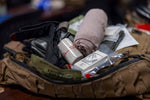
Your Officers Are Bleeding Out. Their Kits Might Not Be Ready.
5 min reading time
5 min reading time
Most law enforcement trauma kits fail at the moment they matter most — not because the officer wasn't trained, but because whoever bought the kit didn't understand TCCC.
Here's what that gap looks like in practice:
Tactical Combat Casualty Care was developed by the U.S. military after analysis of preventable combat deaths. The data was stark: 90% of battlefield deaths occur before a casualty reaches definitive care. Most of those deaths are preventable — with the right equipment and training.
TCCC protocols address the three leading causes of preventable death in the field:
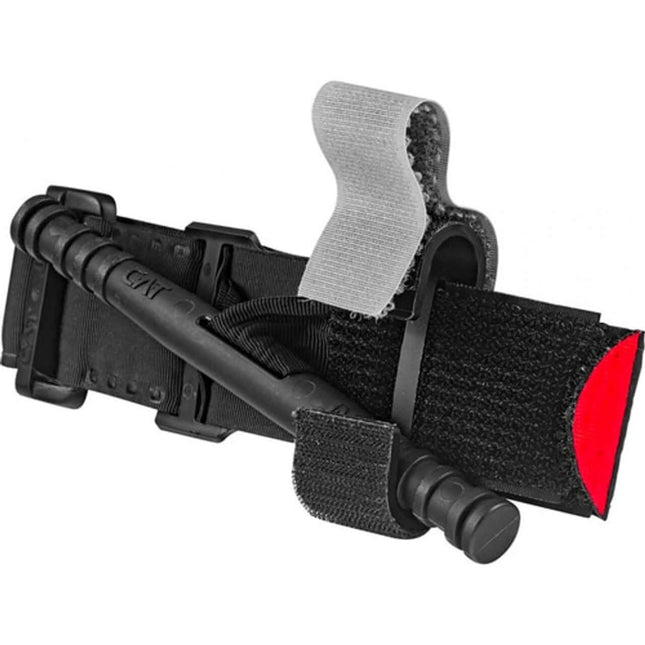
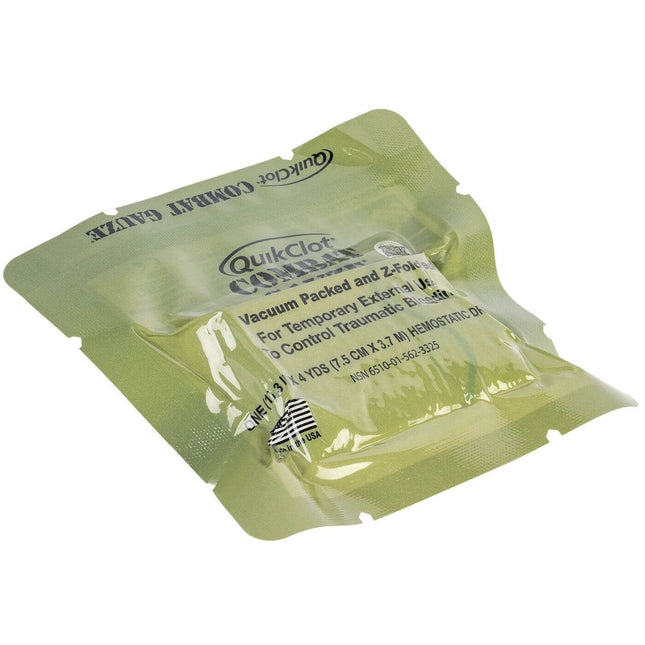
A TCCC-compliant kit for law enforcement isn't a first aid kit with upgraded packaging. It's a purpose-built system: CAT or SOF-T Wide tourniquet, Combat Gauze or QuikClot hemostatic dressing, chest seals (vented), NPA with lube, and a compression bandage minimum. Every item has a reason. Every item has a standard.
The kits that get bulk-purchased through general procurement catalogs — the ones with "trauma" in the name but ibuprofen in the contents — don't meet that standard.
Quartermasters and purchasing managers are good at their jobs. They're not trauma medics. That gap gets exploited constantly by vendors who lead with price, bury specs, and sell volume.
The right questions to ask any vendor before a bulk IFAK purchase:
If a vendor can't answer those questions without checking with their product team, move on.
Most agencies assume trauma kit standardization is a budget conversation. It often doesn't have to be.
Three grant programs that routinely cover law enforcement trauma kit procurement:
The funding is there. The barrier is usually knowing where to look and how to write the procurement justification. That's a solvable problem.
The goal isn't equipping one officer with a great kit. It's ensuring that every officer on every shift in every unit reaches for the same gear — and knows exactly what's in it.
Standardization across a patrol division means:
ViTAC builds custom kit configurations for agencies — specific to your gear platform, your unit's role (patrol, SWAT, K9), and your training protocol. We've done this with 23+ agencies. We know what the conversation looks like and what the paperwork requires.
The Next Step
If your agency is due for a trauma kit review — or if you're building the case internally to standardize — we'll walk you through the configuration options and put together an RFQ package your procurement officer can actually use.
Request a quote at vitacsolutions.com or reach out directly. We work on Net 30 and PO terms for agencies.
Your officers carry their kit every shift. Make sure it's ready when they need it.

OSHA minimum workplace kits don't include a tourniquet. Here's how to calculate station count, stock each station, and build bleed control coverage in any public...

One kit at the main entrance fails the 90-second coverage rule for most buildings. Here's how to run a coverage audit and calculate the correct...

Arterial hemorrhage kills in 3 minutes. Urban EMS takes 7–10. Every business needs CoTCCC-standard bleed control kits — here's how to select, deploy, and train...

40+ states mandate bleed control kits in schools — but most deployment plans miss classrooms and buses. Here's the placement standard that actually works.

Most of our trauma kits and first aid supplies qualify for HSA and FSA reimbursement. Don't let your benefits expire — invest them in gear that could save a life.


$124.95


$279.99

$37.49 - $139.46


$299.95 $269.95


$139.95 - $169.95

$49.95


$25.99


$164.95

We've been downrange. We know what it costs to be unprepared. ViTAC was built by U.S. Army Special Operations veterans to make sure the people who run toward the threat — and the families who depend on them — have gear that works when everything is on the line.
— ViTAC Solutions Founders | 40+ years combined Special Operations experience