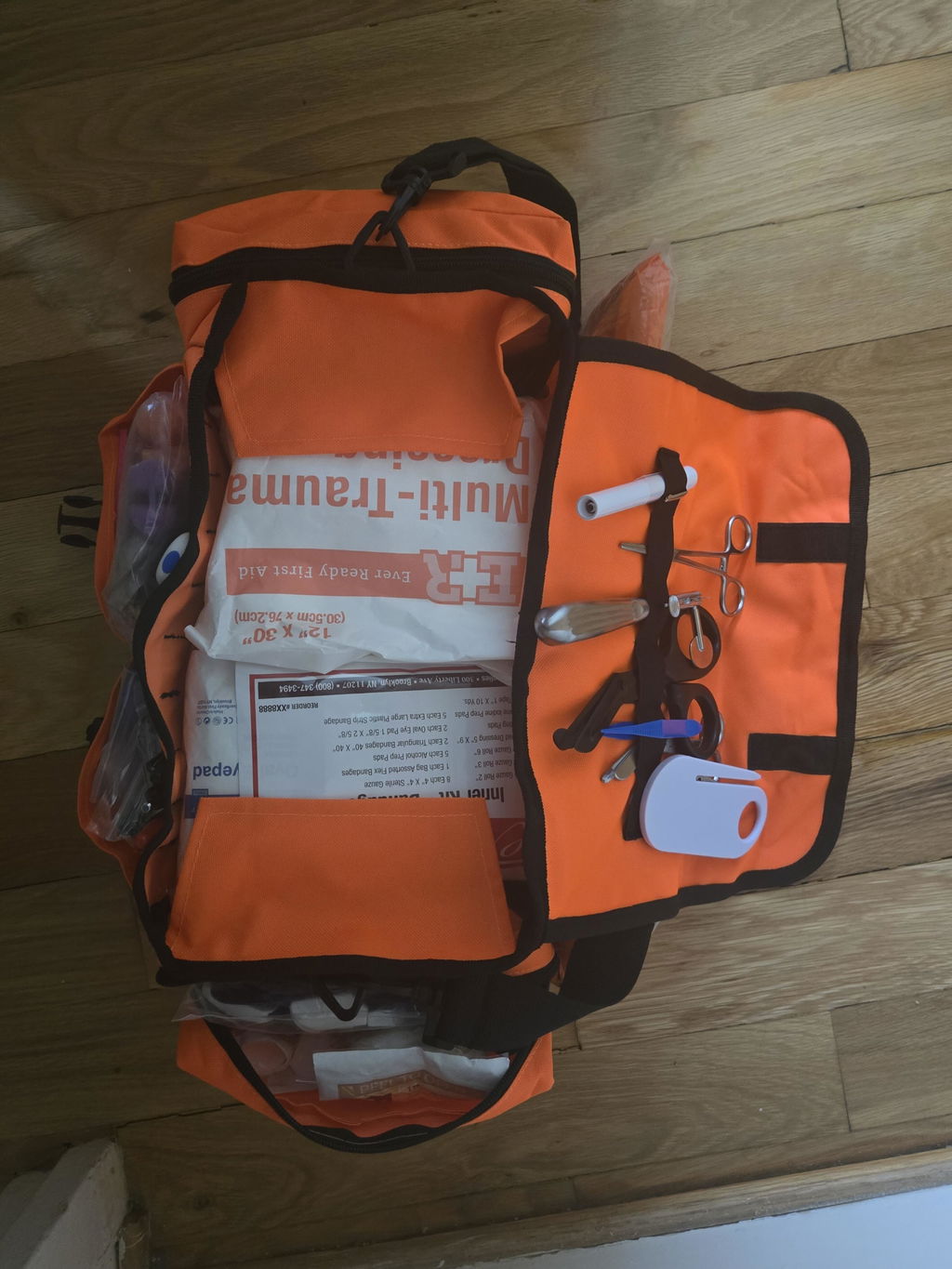
Choose the Right Emergency Kit for Your Scenario
3 min reading time
3 min reading time
Sixty percent of Americans live within 50 miles of a major fault line, flood zone, or tornado corridor — yet most households stock one generic kit built for none of those environments specifically. That gap is a decision problem, not a budget problem. This guide maps kit requirements to scenario type so you build once, correctly.
Each scenario below identifies the primary injury threat, the minimum kit requirements to address it, and the ViTAC product that meets those requirements. If your environment spans multiple scenarios, start with the highest-casualty risk and build from there.
| Scenario | Primary Threat | Minimum Kit Requirement | ViTAC Option |
|---|---|---|---|
| Tornado / Severe Storm | Penetrating trauma, crush injury, airway debris | Tourniquet, wound packing gauze, chest seal, cervical collar | M-17 Medic Kit |
| Vehicle Accident / Roadside | Extremity hemorrhage, glass laceration, spinal risk | Tourniquet, Israeli bandage, hemostatic gauze, gloves | M-FAK Mini |
| Urban Civil Unrest / Active Threat | GSW, blast fragmentation, mass casualty | Full IFAK plus multi-casualty bandage supply, tourniquet x2 | Crisis Incident Response Kit |
| Home / Shelter-in-Place | Burns, lacerations, supply disruption | Burn dressings, trauma bandages, 72-hour medication buffer | M-17 Medic Kit |
| Remote / Backcountry | Extended care, hypothermia, evacuation delay | Full trauma kit plus SAM splint, mylar blanket, irrigation syringe | M-17 Medic Kit |
Regardless of environment, field care follows the MARCH protocol — Massive hemorrhage, Airway, Respiration, Circulation, Hypothermia. The scenario determines which phase you are most likely to reach first and how long you hold that phase before EMS arrives.
Tornado debris fields and rural accident scenes average 20–30 minute EMS response times in most counties. Urban environments average 7–10 minutes — but active threat situations require moving the casualty before treating. Build your kit with that response window in mind.
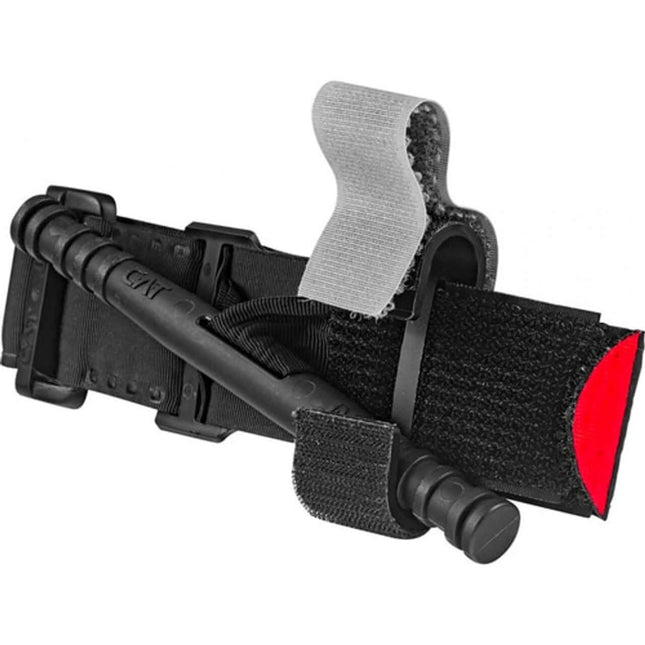
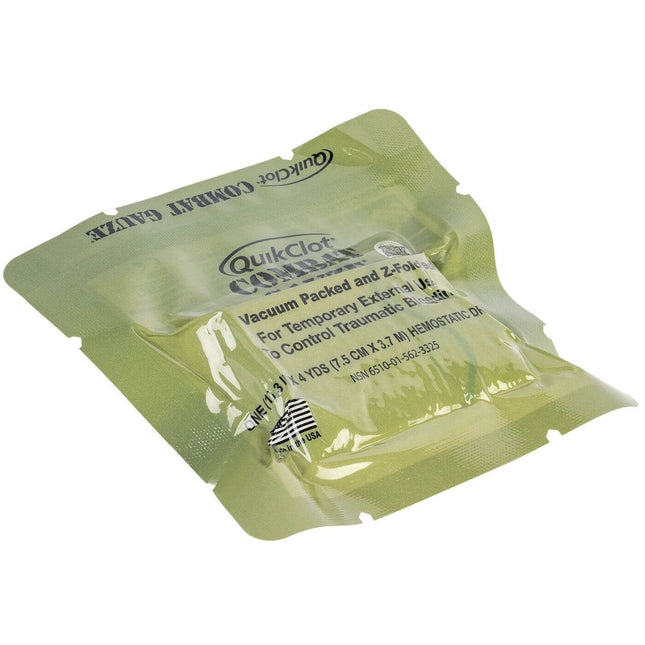
Three items perform across every column in the matrix above. Keep multiples of each regardless of your primary threat profile:
The scenario you are most likely to face in the next 12 months is your starting point — not the worst-case you can imagine. If you live in tornado country, start with the storm row. If you commute 40,000 miles per year, start with the vehicle row. Worst-case-only planning produces overpacked kits that never get carried.
Build to your actual risk profile. Add from there.

OSHA minimum workplace kits don't include a tourniquet. Here's how to calculate station count, stock each station, and build bleed control coverage in any public...

One kit at the main entrance fails the 90-second coverage rule for most buildings. Here's how to run a coverage audit and calculate the correct...

Arterial hemorrhage kills in 3 minutes. Urban EMS takes 7–10. Every business needs CoTCCC-standard bleed control kits — here's how to select, deploy, and train...

40+ states mandate bleed control kits in schools — but most deployment plans miss classrooms and buses. Here's the placement standard that actually works.

Most of our trauma kits and first aid supplies qualify for HSA and FSA reimbursement. Don't let your benefits expire — invest them in gear that could save a life.


$124.95 - $224.73


$279.99

$37.49 - $139.46


$269.97 - $319.97

$49.95


$139.95 - $169.95


$25.99


$164.95

We've been downrange. We know what it costs to be unprepared. ViTAC was built by U.S. Army Special Operations veterans to make sure the people who run toward the threat — and the families who depend on them — have gear that works when everything is on the line.
— ViTAC Solutions Founders | 40+ years combined Special Operations experience