Why Every First Aid Kit Needs a CPR One-Way Mask
2 min reading time
2 min reading time
Cardiac arrest kills roughly 350,000 Americans outside of hospitals each year, and bystander CPR doubles or triples survival odds—yet rescuer hesitation due to contamination risk remains a documented barrier to action. CPR one-way masks eliminate that barrier. They allow unobstructed ventilation while blocking exposure to saliva, vomit, and airborne pathogens in both directions.
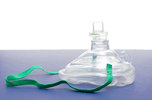
A CPR one-way mask is a compact, portable device used during rescue breathing. It acts as a barrier between the responder and the victim to:
Reduce risk of contamination (saliva, vomit, airborne pathogens)
Allow air flow in only one direction—from responder to victim
Prevent backflow of exhaled air, protecting the rescuer
These masks are typically equipped with a valve and filter system, and are commonly included in CPR kits, IFAKs (Individual First Aid Kits), and BLS bags.
Performing mouth-to-mouth CPR can be risky without protection—especially in environments where hygiene can't be guaranteed. Here's how CPR one-way masks help:
Barrier protection lowers the chance of infection transmission
Improved seal provides better airflow and more effective ventilation
Compact design fits in most first aid kits, pockets, or belt pouches
Confidence to act—especially in public settings or unknown environments
In high-stress situations, responders are more likely to take action if they feel protected. A CPR mask offers peace of mind, allowing for faster response times and more effective resuscitation efforts.
⚠️ This is not a substitute for formal CPR or BLS training. Always seek certified instruction from a recognized provider.
Position the Patient: Lay them flat on their back.
Open the Airway: Tilt the head back, lift the chin.
Place the Mask: Center it over the mouth and nose.
Create a Seal: Apply light pressure to secure a tight fit.
Deliver Breaths: Follow CPR protocol—typically two breaths for every 30 compressions.
Some masks also feature oxygen inlets or replaceable filters—ideal for EMS, law enforcement, or professional responders.
Law enforcement officers on patrol
First responders and security teams
Industrial safety managers
Outdoor guides, hunters, or travelers
Everyday citizens building home or vehicle first aid kits
If you carry gloves and gauze, you should carry a CPR mask. It's a low-cost, high-value addition to any personal or professional emergency response setup.
At ViTAC Solutions, we specialize in tactical medical kits and trusted tools for high-stakes environments. Whether you're working remote, patrolling urban streets, or just planning your next outdoor escape, being prepared is non-negotiable.
Our curated selection of trauma supplies and first aid kits is built on the field-tested experience of U.S. Army Green Berets and emergency medical professionals—because when you're under pressure, gear should perform without question.
Build a complete kit:
👉 Shop IFAKs and Trauma Kits →

OSHA minimum workplace kits don't include a tourniquet. Here's how to calculate station count, stock each station, and build bleed control coverage in any public...

One kit at the main entrance fails the 90-second coverage rule for most buildings. Here's how to run a coverage audit and calculate the correct...

Arterial hemorrhage kills in 3 minutes. Urban EMS takes 7–10. Every business needs CoTCCC-standard bleed control kits — here's how to select, deploy, and train...

40+ states mandate bleed control kits in schools — but most deployment plans miss classrooms and buses. Here's the placement standard that actually works.

Most of our trauma kits and first aid supplies qualify for HSA and FSA reimbursement. Don't let your benefits expire — invest them in gear that could save a life.


$124.95


$279.99

$37.49 - $139.46


$299.95 $269.95


$139.95 - $169.95

$49.95


$25.99


$164.95

We've been downrange. We know what it costs to be unprepared. ViTAC was built by U.S. Army Special Operations veterans to make sure the people who run toward the threat — and the families who depend on them — have gear that works when everything is on the line.
— ViTAC Solutions Founders | 40+ years combined Special Operations experience