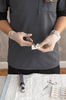
How to Use the NAR Emergency Trauma Dressing: Step-by-Step
3 min reading time
3 min reading time
Severe bleeding is a life-threatening emergency. The faster it is controlled, the better the chance of survival. That's why North American Rescue's Emergency Trauma Dressing (ETD) is a staple in ViTAC kits and a trusted tool among military, law enforcement, and first responders.
This guide walks you through how to use the NAR ETD effectively, even under pressure.
The NAR ETD is a sterile, all-in-one dressing designed to:
Apply direct pressure to wounds
Control moderate to severe bleeding
Work on a variety of wound sites
Be deployed quickly and effectively
Its stretch-wrap design and built-in securing mechanism make it ideal for field applications, especially in situations where improvised solutions aren't good enough.
Check for arterial or venous bleeding.
Prioritize bleeding control if the wound is actively hemorrhaging.
If needed, apply a tourniquet first, then the ETD as a secondary dressing.
The dressing is vacuum-sealed for sterility.
Tear open the package along the marked edges — no tools needed, but trauma shears can assist if time is critical.
The absorbent pad should sit firmly on the bleed site.
Maintain direct pressure as you prepare to wrap.
Use the stretch wrap to apply continuous pressure over the pad.
Cover enough area to stabilize and protect the wound.
Lock the dressing in place using the included securing device.
Confirm it's tight enough to stop the bleed, but not so tight that it restricts all circulation unless it's functioning as a pressure dressing.
✓ Field-Tested by Combat Medics and First Responders
✓ Compact, Vacuum-Sealed, and Easy to Stage in Kits
✓ Built-in Securing Device (No Tape Needed)
✓ Latex-Free and Sterile
✓ Effective for Self-Aid and Buddy-Aid
The NAR ETD pairs exceptionally well with:
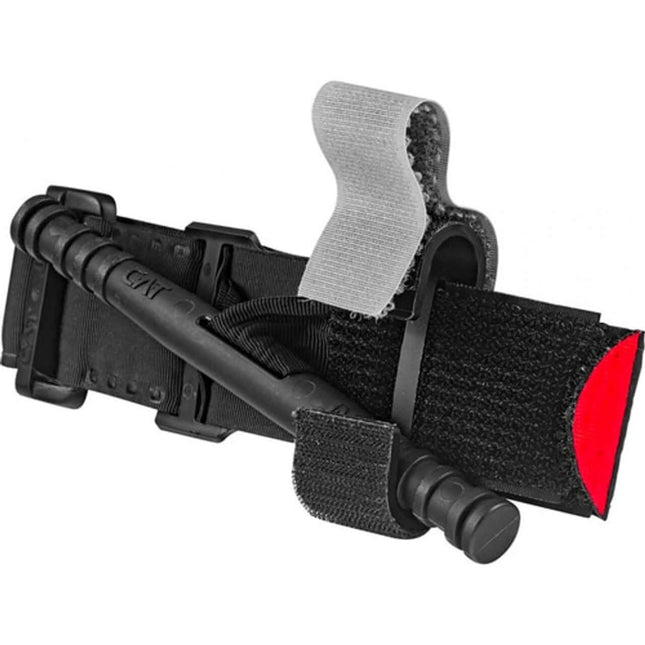
Windlass-style tourniquets (CAT / SOF-T)
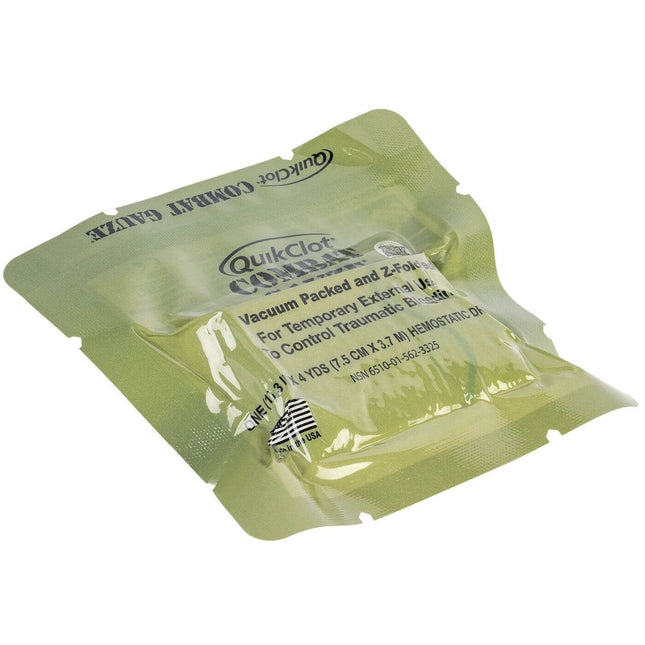
Hemostatic gauze (QuikClot)
Chest seals for penetrating trauma
Compression bandages for large surface area wounds
Together, these tools form the core of a mission-ready trauma kit — whether you're outfitting an IFAK, a vehicle kit, or a duty bag.
After applying the dressing:
Check for continued bleeding.
Watch for signs of shock or airway compromise.
Prepare for evacuation or EMS transfer as soon as possible.
At ViTAC, we believe in equipping real-world readiness. Our kits are curated by U.S. Army Green Berets and field experts — built to perform under pressure. The NAR Emergency Trauma Dressing is part of our core offering for bleeding control, and we recommend it for:
Law enforcement officers
Security professionals
Range safety officers
Industrial safety teams
Prepared civilians
Explore Bleeding Control Kits and NAR Gear at ViTAC Solutions →
For clinical guidance on hemorrhage control, see the Stop the Bleed program from the American College of Surgeons Committee on Trauma.

OSHA minimum workplace kits don't include a tourniquet. Here's how to calculate station count, stock each station, and build bleed control coverage in any public...

One kit at the main entrance fails the 90-second coverage rule for most buildings. Here's how to run a coverage audit and calculate the correct...

Arterial hemorrhage kills in 3 minutes. Urban EMS takes 7–10. Every business needs CoTCCC-standard bleed control kits — here's how to select, deploy, and train...

40+ states mandate bleed control kits in schools — but most deployment plans miss classrooms and buses. Here's the placement standard that actually works.

Most of our trauma kits and first aid supplies qualify for HSA and FSA reimbursement. Don't let your benefits expire — invest them in gear that could save a life.


$124.95


$279.99

$37.49 - $139.46


$299.95 $269.95


$139.95 - $169.95

$49.95


$25.99


$164.95

We've been downrange. We know what it costs to be unprepared. ViTAC was built by U.S. Army Special Operations veterans to make sure the people who run toward the threat — and the families who depend on them — have gear that works when everything is on the line.
— ViTAC Solutions Founders | 40+ years combined Special Operations experience