IFAK vs. Trauma Kit: Decision Matrix by Use Case
8 min reading time
8 min reading time
If you have already decided you need trauma gear and you are now choosing between an IFAK and a full trauma kit, this is the decision matrix. Both can save a life. They solve different problems, scale to different scenarios, and live in different places. Picking the wrong one for your use case means owning gear you cannot deploy when you need it.
This guide is the use-case decision tree — four scenarios (vehicle, home, bag, on-person), with a clear recommendation for each. For the underlying definitions of "IFAK" and "trauma kit" as categories, see First Aid Kit vs. Trauma Kit: Why You Need Both.
For the purposes of choosing between them:
Both follow the MARCH framework. The difference is capacity, not philosophy.
| Use Case | Recommendation | Why |
|---|---|---|
| Vehicle (daily driver, single occupant) | IFAK as primary, vacuum-sealed bleed pack as backup | Cabin staging requires compact footprint; single-occupant scenarios rarely need multi-casualty capacity |
| Vehicle (family, multi-occupant, off-road) | IFAK in cabin reach + backpack trauma kit behind passenger seat | Layered carry covers first 60 seconds (IFAK) and sustained scene management (trauma kit) |
| Home (single floor, urban / suburban) | IFAK at primary entry, basic first aid kit in kitchen/bath | EMS response time under 10 min in most metros makes IFAK sufficient for the gap |
| Home (multi-floor, rural, large family) | One IFAK per floor + central trauma kit | Distance to gear and EMS response both extended; multi-casualty potential higher |
| Bag (range, hunting, hiking, work) | IFAK admin pouch in main compartment | Compact format fits standard pack admin pouch; kit deploys without unloading the bag |
| Bag (overlanding, backcountry, multi-day) | IFAK on belt + backpack trauma kit in main pack | Belt IFAK deploys without removing the pack; backpack trauma kit covers extended care if EMS is hours out |
| On-person (duty, EDC, plate carrier) | IFAK only — belt, plate carrier, or EDC pocket | Full trauma kit is too bulky for on-person carry; IFAK is the entire category here |
| Agency / team (LE squad, EMS, security detail) | IFAK per officer + standardized trauma kit per vehicle/facility | Personal IFAK for self/partner; trauma kit for multi-casualty events and bystander aid |
The pattern: IFAK is rarely the wrong answer for personal carry, and full trauma kits earn their place when the scenario is multi-casualty, multi-day, or remote-from-EMS.
If your scenario is not in the matrix, work the decision through three variables:
Under 10 minutes: IFAK is sufficient. Bridge time is short, and the kit's job is bleeding control until paramedics arrive. 10–30 minutes: IFAK in immediate reach + trauma kit nearby. Bridge time is long enough that extended care matters. Over 30 minutes (rural, off-grid, backcountry): full trauma kit is the standard, with the IFAK as the personal-carry layer.
One: IFAK. Two to four: IFAK plus a backpack-format trauma kit, since a single IFAK consumes its hemorrhage components on one casualty. Five or more (mass casualty potential): see the mass casualty kits collection; this is a different category of kit entirely.
On-person, no bag: IFAK only — EDC pocket, belt, or plate carrier. With a daily bag: IFAK in admin pouch, plus optional trauma kit backup at vehicle or home. Vehicle-staged: IFAK in cabin + trauma kit in cargo or behind seat. Stationary (home, range, work site): trauma kit is the default; IFAK becomes the secondary fast-grab layer.
Field Note: Layered Beats Maximalist
A common mistake is buying one big trauma kit and calling it done. The kit ends up in the trunk, in a closet, or in a duty bag — and during the 90% of incidents that happen away from where it's stored, it does nothing. Layered carry (IFAK on person + trauma kit at base) solves this. The IFAK handles the immediate; the trauma kit handles the sustained.
Primary: rip-away IFAK like the Recon IFAK – Pro. Backup: Intermediate Bleeding Control Pack (vacuum-sealed for glove box).
Add a Tactical Trauma Backpack behind the passenger seat. Multi-casualty capable, full MARCH plus extended care.
Per-floor IFAK plus a centrally-staged kit. The General Purpose First Aid Kit – Med Pro works as the central kit — 79 pieces, CAT and HyFin included, sized for shelf or closet staging.
Belt or pack-mounted IFAK like the Recon IFAK – Pro, plus the full IFAK collection for longer or remote excursion builds.
The EDC Kit collection covers ultra-compact pocket-format options.
The Enhanced IFAK – Pro for individual duty carry; the First Responder Trauma Care Medical Bag for unit-level capability.
You can, but you will lose access to the kit during exactly the scenarios that drove you to buy it. Trauma kits stage at home, in the vehicle, or at the base of operations — they do not travel on your person. If an incident happens at a parking lot, on a hike where the trauma kit is at the trailhead, you have nothing on you. The IFAK solves that. Buy both if you can. Buy the IFAK first if you can only afford one.
Take a Stop the Bleed course before you buy either kit. The class is free, two hours, taught nationwide. The kit without the training is gear sitting in a pouch. Hemostatic gauze does not work without proper wound packing. A tourniquet placed too low or too loose does not stop arterial bleeding. None of this is intuitive; all of it is teachable in an afternoon.
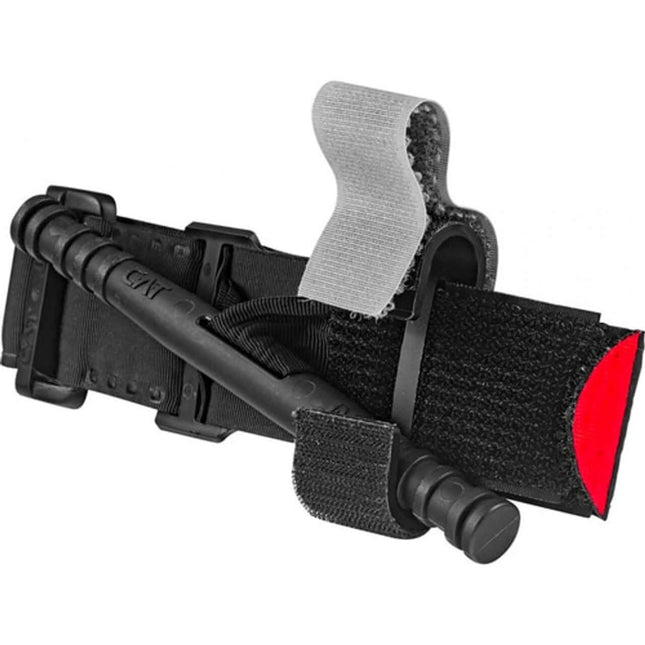
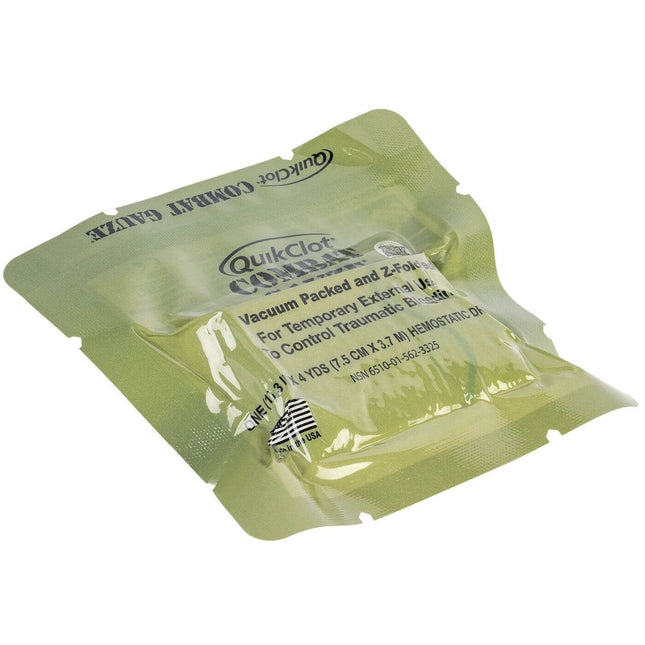
The CAT tourniquet and QuikClot Combat Gauze are the two most counterfeited items in the trauma-kit market. Counterfeit tourniquets fail under load. Off-brand "QuikClot" without kaolin does not clot. If a kit is dramatically cheaper than the market average ($80–$200 for a complete TCCC-compliant build), the components are not authentic. This counterfeit-risk breakdown covers what to verify before purchase.
The IFAK-vs-trauma-kit decision is not either/or for serious preparedness. It is a layered carry decision: IFAK on person or in immediate reach, trauma kit at base of operations for multi-casualty or extended-care scenarios. Match the format to the use case, anchor the build to TCCC standards, and back the gear with training that makes it actually work under stress.
Start with the format that matches your daily reality. Browse the IFAK collection for personal carry, the Emergency Medical Trauma Kits collection for full-format builds, or the use-case selector if you want a guided choice.

OSHA minimum workplace kits don't include a tourniquet. Here's how to calculate station count, stock each station, and build bleed control coverage in any public...

One kit at the main entrance fails the 90-second coverage rule for most buildings. Here's how to run a coverage audit and calculate the correct...

Arterial hemorrhage kills in 3 minutes. Urban EMS takes 7–10. Every business needs CoTCCC-standard bleed control kits — here's how to select, deploy, and train...

40+ states mandate bleed control kits in schools — but most deployment plans miss classrooms and buses. Here's the placement standard that actually works.

Most of our trauma kits and first aid supplies qualify for HSA and FSA reimbursement. Don't let your benefits expire — invest them in gear that could save a life.


$124.95


$279.99

$37.49 - $139.46


$299.95 $269.95


$139.95 - $169.95

$49.95


$25.99


$164.95

We've been downrange. We know what it costs to be unprepared. ViTAC was built by U.S. Army Special Operations veterans to make sure the people who run toward the threat — and the families who depend on them — have gear that works when everything is on the line.
— ViTAC Solutions Founders | 40+ years combined Special Operations experience