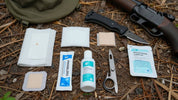
Hunting First Aid Kit: Field Trauma and Self-Aid Essentials
8 min reading time
8 min reading time
Hemorrhage is the leading preventable cause of trauma death in field settings. In the backcountry, where EMS response times routinely exceed 60 minutes, the contents of your kit — and your ability to use them — are the only intervention between injury onset and evacuation.
This guide builds a hunting first aid kit from MARCH priorities outward: Massive hemorrhage control first, then Airway, Respiration, Circulation, and Hypothermia. The same framework used by TCCC-trained combat medics applies in the field.
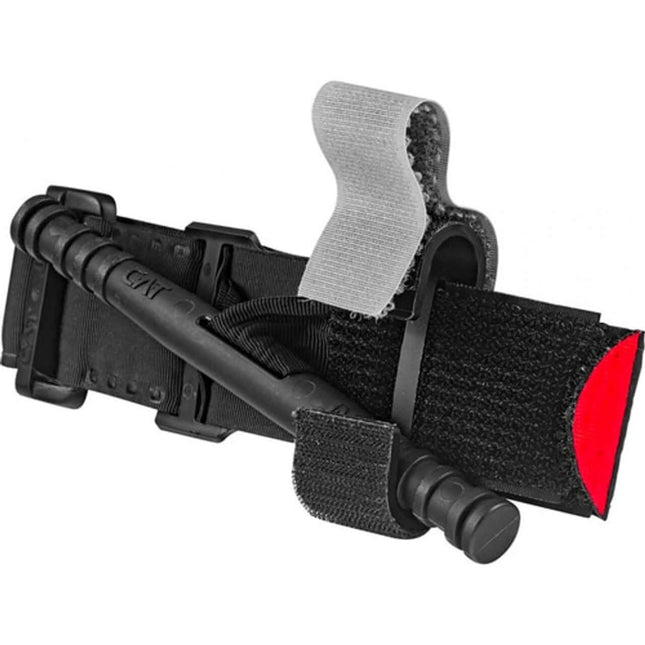
Stop the bleed before anything else. A hunter with an uncontrolled arterial bleed will not survive the time it takes for a remote EMS response. These items are non-negotiable:
Field Note: Document Tourniquet Time — It Transfers with the Patient
Per TCCC protocol, tourniquet application time must be written on the tourniquet or marked on the patient's skin. Note the time — it is critical information for the receiving trauma team.
Penetrating chest wounds are a real-world hunting scenario — tree stand falls, accidental discharges, and processing game with sharp implements all carry puncture wound risk. A sucking chest wound allows air into the pleural space, collapsing the lung. Seal it immediately.
Field wounds — lacerations from falls, knife cuts, animal contact — require systematic cleaning before any closure or coverage attempt.
Falls from tree stands, broken terrain, and heavy pack weight all generate fracture and sprain risk. Immobilization is the immediate field priority.
Hemorrhagic shock and hypothermia are mutually reinforcing — a cold, bleeding patient dies faster than a normothermic one. Hartford Consensus and TCCC protocols both include hypothermia prevention as part of primary trauma treatment.
| Scenario | Priority Additions |
|---|---|
| Steep / rocky terrain | SAM splint, extra elastic bandages, ankle support |
| Remote multi-day backcountry | Larger wound care quantities, extra tourniquets, broad-spectrum oral antibiotic if prescribed |
| Cold weather / high elevation | Mylar blanket, chemical hand warmers, extra insulation layer |
| Wet environment | Waterproof kit storage, waterproof bandages, additional saline sachets |
| Tree stand hunting | Suspension trauma risk: prioritize chest and torso trauma components; full-suspension protocol training recommended |
Field Note: Communication Device Is Part of the Kit
A personal locator beacon (PLB) or satellite messenger is not a medical supply, but it belongs in every backcountry kit. Your ability to call for extraction determines how long your field supplies need to hold.
Organize by MARCH priority, not by body system or item type. The first thing your hand reaches for under stress should be the tourniquet. Life-threat items at the top or in the outermost pocket; support items buried deeper. Label each compartment. Run the kit dry in a practice session before the season opens.
Pre-built kits sized for the field reduce the margin for missed components. ViTAC's hunting-relevant options:
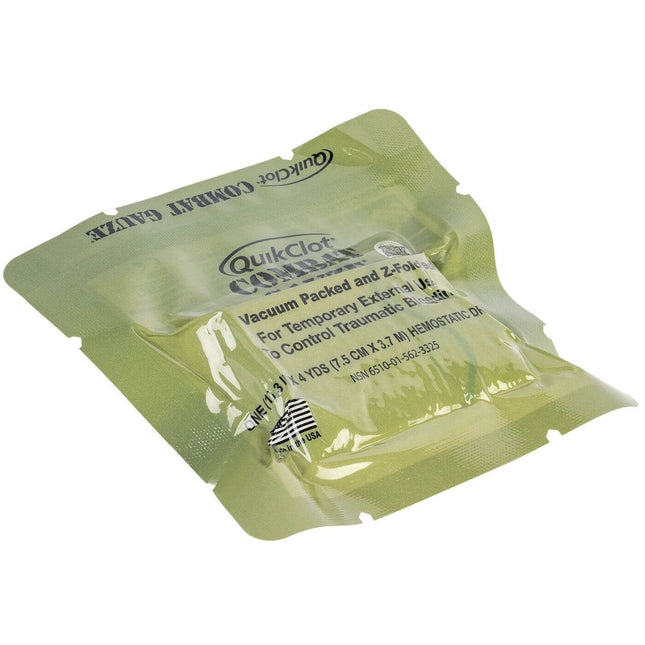
Hemorrhage control comes first: a TCCC-approved tourniquet (CAT Gen 7 or SOFTT-W), hemostatic gauze for junctional wounds, and a pressure bandage. Vented chest seals for penetrating torso injuries are the next tier. Everything else supports those priorities.
EMS response to remote hunting terrain routinely exceeds one hour. A standard first aid kit is not built for arterial bleeds, penetrating chest wounds, or fracture stabilization during extended evacuation holds. The kit bridges the gap between injury onset and definitive care.
Organize by treatment priority. Tourniquet and chest seals in the outermost or top compartment. Wound irrigation and dressings next. Medications and support items last. Practice opening the kit one-handed under time pressure before the first trip of the season.
A quality pre-built kit covers the baseline. Customize based on your personal health needs, specific terrain, and group size. Audit the kit before each season to confirm nothing is expired or missing.
After every trip. Replace anything used. Verify expiration dates on medications and sterile supplies before each season. A kit with expired or missing components is not a functional kit.
Account for them explicitly. Bad knee: carry a SAM splint and elastic bandages. Severe allergy: carry a prescription EpiPen, not just antihistamines. Any known cardiac or respiratory condition: ensure prescriptions are current and inform your hunting partner of your kit location before heading out.
A hunting first aid kit is not a consumer first aid box with a few extra bandages. It is a MARCH-sequenced trauma kit sized for remote, high-energy injury in a setting where professional medical care is at minimum 60 minutes away. Build it that way, store it accessibly, and train on the components before the season opens.
Start with TCCC-standard components: browse ViTAC trauma kits here.

OSHA minimum workplace kits don't include a tourniquet. Here's how to calculate station count, stock each station, and build bleed control coverage in any public...

One kit at the main entrance fails the 90-second coverage rule for most buildings. Here's how to run a coverage audit and calculate the correct...

Arterial hemorrhage kills in 3 minutes. Urban EMS takes 7–10. Every business needs CoTCCC-standard bleed control kits — here's how to select, deploy, and train...

40+ states mandate bleed control kits in schools — but most deployment plans miss classrooms and buses. Here's the placement standard that actually works.

Most of our trauma kits and first aid supplies qualify for HSA and FSA reimbursement. Don't let your benefits expire — invest them in gear that could save a life.


$124.95


$279.99

$37.49 - $139.46


$299.95 $269.95


$139.95 - $169.95

$49.95


$25.99


$164.95

We've been downrange. We know what it costs to be unprepared. ViTAC was built by U.S. Army Special Operations veterans to make sure the people who run toward the threat — and the families who depend on them — have gear that works when everything is on the line.
— ViTAC Solutions Founders | 40+ years combined Special Operations experience