
Surviving the Chill of Fall Hiking & How to Recognize and Treat Hypothermia
3 min reading time
3 min reading time
As the leaves change and cooler weather sets in, hiking trails across the country see an influx of outdoor enthusiasts and eager adventurers setting out to enjoy all that fall has to offer. But with this surge in activity comes potential dangers, including wet weather slips and falls and hypothermia, a condition that can be fatal if not recognized and treated quickly.
In this post, we'll look at what hypothermia is, how to recognize the symptoms, and what steps you can take to treat this condition in the great outdoors.
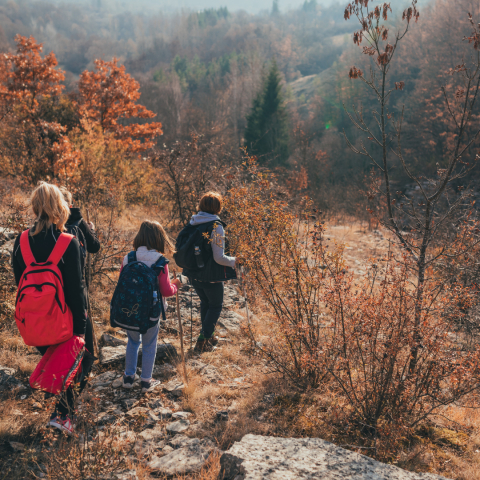
What is Hypothermia?
Hypothermia occurs when your body loses heat faster than it can produce it, leading to a dangerously low core body temperature. This can happen when seasons change from summer to the cold, wet conditions that occur in the fall and winter, but can also occur in mild temperatures if you're ill-prepared or caught off guard. Symptoms can range from mild to severe, with some individuals experiencing shivering, dizziness, confusion, and even loss of consciousness.
Recognizing the Symptoms of Hypothermia
It's essential to recognize the symptoms of hypothermia early on to help prevent more severe complications from developing. The person (or dog!) experiencing hypothermia may be shivering, have pale skin and blue lips, become disoriented and confused, or have difficulty speaking. They may also lose coordination and appear clumsy or become highly lethargic.
Treating Hypothermia in the Field
If you suspect someone is experiencing hypothermia, the first step is to get them out of the cold as quickly as possible. Get them into warm, dry clothes and cover them with blankets or other insulating materials to help raise their body temperature. You can also give them warm, sweetened liquids, but avoid alcohol or caffeine, worsening the condition. It can be helpful to apply hot packs as well, if you have them on hand.
Preventing Hypothermia
Prevention is always the best course of action when it comes to hypothermia. When hiking in cold conditions, dress in layers and avoid sweating as much as possible. Keep an eye on the weather forecast and plan accordingly, taking extra supplies and clothing if needed. Most importantly, always watch yourself and your companions, and know when it's time to turn back or seek shelter.

Fall hiking is an excellent way to explore nature's beauty, but it also requires careful planning and preparation to avoid hypothermia. By understanding what hypothermia is, how to recognize the symptoms, and what steps to take to treat it if necessary, you can help ensure a safe and enjoyable experience in the great outdoors. Be sure to take these tips with you the next time you hit the trails, and stay warm, safe, and ready for anything!
ViTAC Solutions
ViTAC stands by the principle of living life with passion and vigor as you chase horizons and embrace the spirit of adventure. While we champion the thrill of the journey, we also know the importance of being prepared for the twists and turns that come our way. Remember, it's not just about seeking thrills but ensuring we can tackle challenges when they arise For those uncharted moments, we've got your back. Discover our first aid kits, expertly curated by U.S. Army Green Berets, ready to serve your adventures.
Dive into the world of preparedness at www.ViTACsolutions.com.

OSHA minimum workplace kits don't include a tourniquet. Here's how to calculate station count, stock each station, and build bleed control coverage in any public...

One kit at the main entrance fails the 90-second coverage rule for most buildings. Here's how to run a coverage audit and calculate the correct...

Arterial hemorrhage kills in 3 minutes. Urban EMS takes 7–10. Every business needs CoTCCC-standard bleed control kits — here's how to select, deploy, and train...

40+ states mandate bleed control kits in schools — but most deployment plans miss classrooms and buses. Here's the placement standard that actually works.

Most of our trauma kits and first aid supplies qualify for HSA and FSA reimbursement. Don't let your benefits expire — invest them in gear that could save a life.


$124.95


$279.99
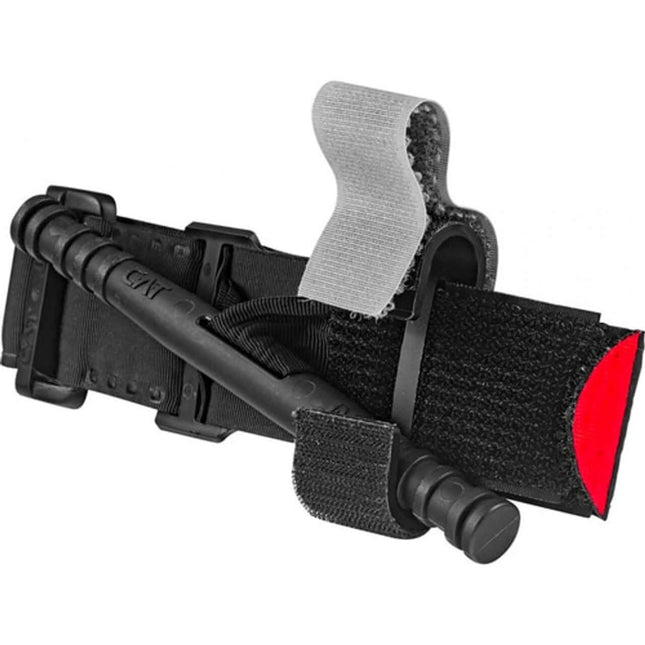

$37.49 - $139.46


$299.95 $269.95


$139.95 - $169.95

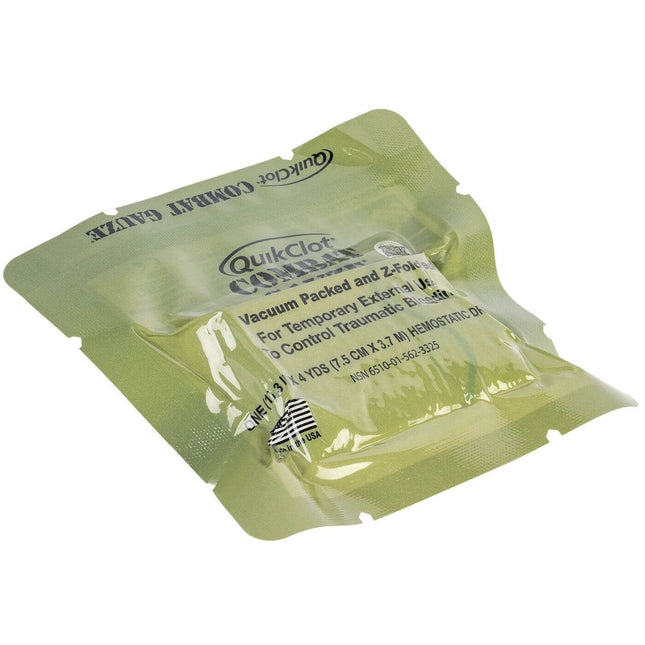
$49.95


$25.99


$164.95

We've been downrange. We know what it costs to be unprepared. ViTAC was built by U.S. Army Special Operations veterans to make sure the people who run toward the threat — and the families who depend on them — have gear that works when everything is on the line.
— ViTAC Solutions Founders | 40+ years combined Special Operations experience