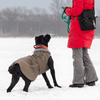
First Aid for Hypothermia in Canines
3 min reading time
3 min reading time
We all love to take our furry friends along on adventures. However, as seasons change, it’s important to remember that dogs are just as susceptible to the elements as we are. One of the biggest dangers to our dogs is hypothermia. Hypothermia can occur in any dog, especially if exposed to cold weather or water for a long time. In this blog post, we will discuss the signs and symptoms of hypothermia and the steps you can take to prevent and treat this condition in your dog.
Recognizing the Signs and Symptoms of Hypothermia
Hypothermia occurs when a dog’s body temperature drops below normal. In addition to being knowledgeable on essential dog first aid, it’s crucial to be able to recognize the symptoms of hypothermia, including shivering, lethargy, weakness, and decreased appetite. In severe cases, the dog may collapse and go unconscious; extreme cases of hypothermia can even lead to death. It’s important to note that not all dogs will shiver when cold, so paying attention to their behavior and physical appearance when spending time in cold weather is essential.
Preventing Hypothermia
Prevention is the best way to keep your dog safe from hypothermia. The most effective way to prevent hypothermia in dogs is by keeping them indoors when the weather is extreme. However, if you plan on taking your dog outside on a cold day, ensure they wear appropriate clothing and keep them dry. You can also provide your dog with a warm place to rest, such as a heated bed or blanket, and limit their exposure to cold weather.
Treating Hypothermia
Just as with humans, if you suspect your dog is suffering from hypothermia, it’s essential to act quickly. The first step is to move your dog to a warm and dry place. Wrap them in warm blankets and use a heating pad or warm water bottle to help raise their body temperature. Avoid using hot water or a heating lamp, as this can damage your dog’s skin and worsen their condition.
Seeking Veterinary Care
In severe cases, your dog may require medical treatment for hypothermia. If your dog is extremely lethargic, unconscious, or has a slow heart rate, they need immediate medical attention. Your vet may administer warm fluids, oxygen therapy, or other treatments to help raise your dog’s body temperature and stabilize their condition.
Aftercare
After your dog has been treated for hypothermia, it’s essential to monitor their condition closely. Keep them warm and dry, and limit their activity until they fully recover. Provide them with plenty of water and food, and give them the time they need to recover fully.
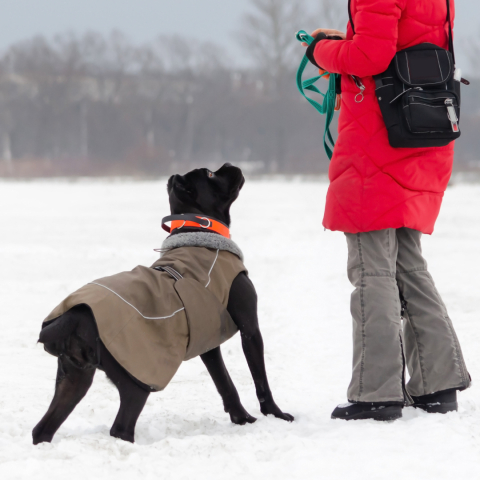
Hypothermia is a serious condition that can occur in any dog, but it can be prevented and treated with proper care. As outdoor enthusiasts and adventurers, we know how important it is to care for our furry friends. By recognizing the signs and symptoms of hypothermia, preventing this condition, and seeking veterinary care when necessary, we can keep our dogs safe and warm during cold weather. With these tips, you can enjoy outdoor adventures with your dog while keeping it safe and healthy.
ViTAC Solutions
ViTAC stands by the principle of living life with passion and vigor as you chase horizons and embrace the spirit of adventure. While we champion the thrill of the journey, we also know the importance of being prepared for the twists and turns that come our way.

OSHA minimum workplace kits don't include a tourniquet. Here's how to calculate station count, stock each station, and build bleed control coverage in any public...

One kit at the main entrance fails the 90-second coverage rule for most buildings. Here's how to run a coverage audit and calculate the correct...

Arterial hemorrhage kills in 3 minutes. Urban EMS takes 7–10. Every business needs CoTCCC-standard bleed control kits — here's how to select, deploy, and train...

40+ states mandate bleed control kits in schools — but most deployment plans miss classrooms and buses. Here's the placement standard that actually works.

Most of our trauma kits and first aid supplies qualify for HSA and FSA reimbursement. Don't let your benefits expire — invest them in gear that could save a life.


$124.95


$279.99

$37.49 - $139.46


$299.95 $269.95


$139.95 - $169.95

$49.95


$25.99


$164.95

We've been downrange. We know what it costs to be unprepared. ViTAC was built by U.S. Army Special Operations veterans to make sure the people who run toward the threat — and the families who depend on them — have gear that works when everything is on the line.
— ViTAC Solutions Founders | 40+ years combined Special Operations experience