Preventing and Treating Fall Injuries in Slippery Terrain
3 min reading time
3 min reading time
If you’re an avid outdoor adventurer, you most likely find yourself in situations where you must frequently navigate slippery terrains. Whether hiking up steep hills, bouldering, or rappelling, the risk of slipping and falling is always present. Apart from scrapes and bruises, fall injuries can result in severe fractures and even fatalities. It is essential to take precautions to prevent slips and falls and to know how to handle these incidents in case they occur.
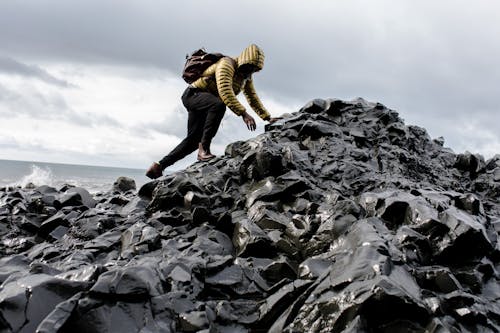
This article provides practical tips on preventing fall injuries when dealing with slippery terrains. It also outlines simple first-aid tips to handle minor slips and falls and what to do in case of severe injuries.
Footwear
The proper footwear is critical to preventing falls. A good pair of hiking boots should have a sturdy, non-slip sole and provide adequate ankle support, particularly on uneven terrain. The shoes should have proper lacing to hold the foot in place and prevent it from sliding forward. It also helps to have shoes with a wider toe box to provide enough room for your toes, which can help with balance and prevent toes from being crushed.
Proper Traction
If hiking in slippery terrain, consider investing in traction devices that fit over your shoes’ soles. These devices can help provide extra grip when walking on ice, snow, or boulders. Microspikes and crampons are two popular types of traction devices, but other companies and brands are available in the market.
Trekking Poles
Trekking poles are also excellent tools for hikers and outdoor enthusiasts as they provide an extra point of contact and help maintain balance on unstable terrain. They can also reduce the impact on your knees and back when hiking up and down steep hills. Try using poles when crossing streams, particularly if slick rocks can cause you to slip and fall.
Body Awareness
Having good body awareness when navigating slippery terrain can also help prevent falls. You want to keep your center of gravity over your feet and evenly distribute your weight. You should also avoid making sudden movements or changing directions quickly. Instead, plan your movements and visualize the trails before you move.
First Aid
Even with precautions, slips and falls can still happen. Minor abrasions and scrapes are common; you can use your first aid kit to treat them with over-the-counter antiseptics and bandages. However, severe injuries need professional medical attention and emergency intervention, depending on the situation. A RICE (Rest, Ice, Compression, Elevation) protocol can help manage pain and reduce swelling when dealing with moderate to severe injuries. Remember the acronym, and keep yourself as comfortable and calm as possible.
Slippery terrains can pose a significant threat to outdoor enthusiasts, but the risk of fall injuries can be minimized with proper precautions. When navigating unstable terrain, select appropriate shoes, traction devices, and trekking poles, and remember to move with body awareness. Even with precautions, slips and falls can still happen, so ensure you’re prepared with basic knowledge of first aid and a well-stocked first aid kit. Take all these tips into account to avoid slipping and falling, and always ensure your fellow hikers are safe.
ViTAC Solutions
ViTAC stands by the principle of living life with passion and vigor as you chase horizons and embrace the spirit of adventure. While we champion the thrill of the journey, we also know the importance of being prepared for the twists and turns that come our way.

OSHA minimum workplace kits don't include a tourniquet. Here's how to calculate station count, stock each station, and build bleed control coverage in any public...

One kit at the main entrance fails the 90-second coverage rule for most buildings. Here's how to run a coverage audit and calculate the correct...

Arterial hemorrhage kills in 3 minutes. Urban EMS takes 7–10. Every business needs CoTCCC-standard bleed control kits — here's how to select, deploy, and train...

40+ states mandate bleed control kits in schools — but most deployment plans miss classrooms and buses. Here's the placement standard that actually works.

Most of our trauma kits and first aid supplies qualify for HSA and FSA reimbursement. Don't let your benefits expire — invest them in gear that could save a life.


$124.95


$279.99
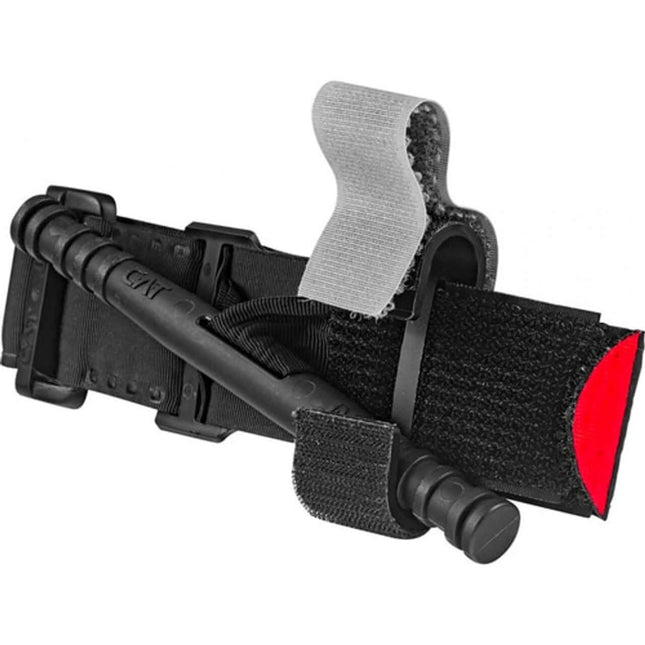

$37.49 - $139.46


$299.95 $269.95


$139.95 - $169.95

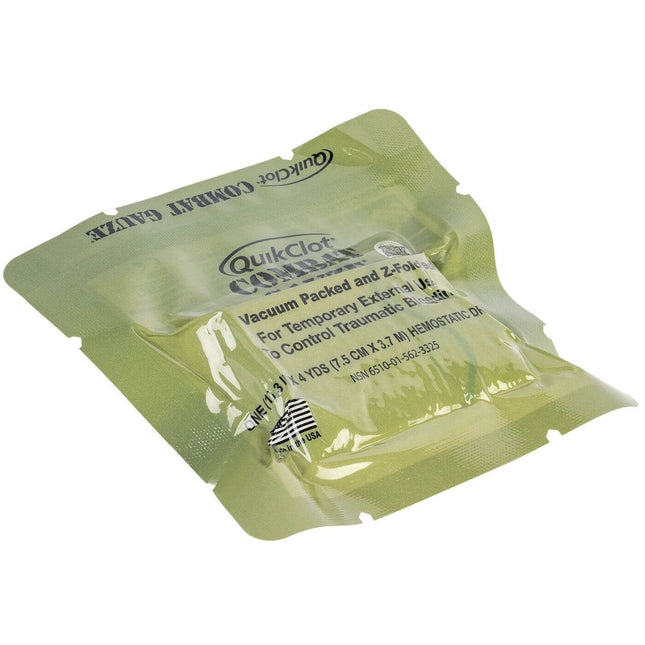
$49.95


$25.99


$164.95

We've been downrange. We know what it costs to be unprepared. ViTAC was built by U.S. Army Special Operations veterans to make sure the people who run toward the threat — and the families who depend on them — have gear that works when everything is on the line.
— ViTAC Solutions Founders | 40+ years combined Special Operations experience