Trusted by Law Enforcement & Tactical Professionals
The Golden Hour Explained - Timely Action, Lifesaving Results
3 min reading time
The Golden Hour is a crucial window where rapid action can mean the difference between survival and loss. Understanding its importance, preparing with proper training, and equipping yourself with the right medical gear can increase the likelihood of saving lives. Whether you are a first responder, military personnel, or an everyday citizen, taking proactive steps ensures you are ready for any emergency.
When Every Second Counts
In emergency medicine, the "Golden Hour" refers to the critical first 60 minutes following a traumatic injury. This window represents the most crucial time period for medical intervention, where prompt and appropriate care can dramatically improve survival outcomes and reduce long-term complications.
Why the Golden Hour Matters
During severe trauma, the body's systems begin to fail rapidly. Blood loss, shock, and organ damage accelerate with each passing minute. Research consistently shows that patients who receive definitive medical care within this golden window have significantly higher survival rates and better recovery outcomes.
Critical Fact: Studies indicate that trauma patients have a 25% higher survival rate when they receive proper medical intervention within the first hour of injury.
Essential Golden Hour Response Equipment
Whether you're a first responder, tactical professional, or prepared citizen, having the right medical equipment readily available can make the difference between life and death. Here are the critical supplies needed for effective golden hour response:
🩸 Bleeding Control Essentials
Severe hemorrhage is the leading cause of preventable death in trauma situations. Every golden hour response kit should include:
Tourniquets - For immediate limb hemorrhage control
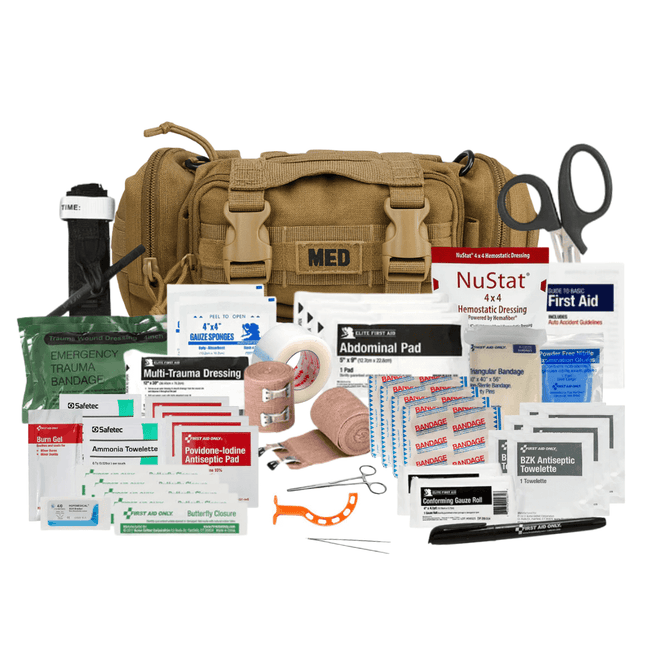
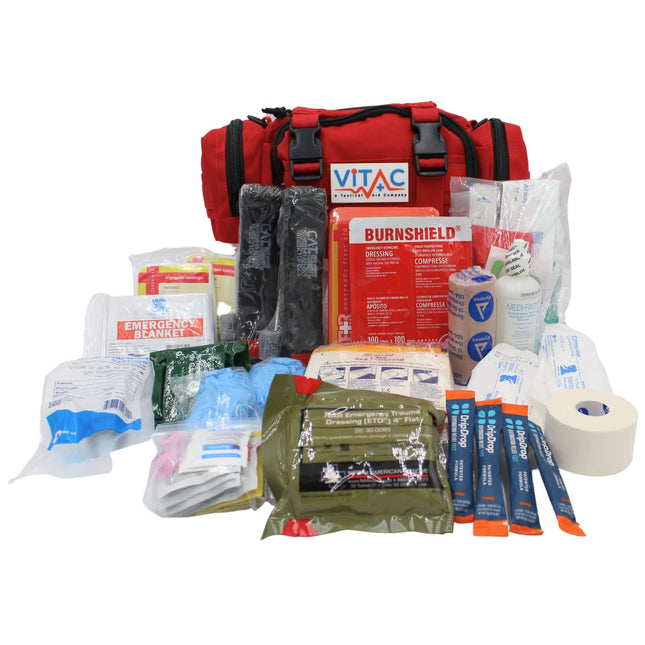
Our Rapid Response Trauma Kit w/Bleeding Control contains all the essential supplies needed for effective golden hour intervention. Trusted by first responders and tactical professionals, this kit includes:
Military and civilian first responders use the MARCH protocol to prioritize life-saving interventions during the golden hour:
M - Massive Hemorrhage: Control severe bleeding immediately
A - Airway: Ensure clear breathing passage
R - Respiration: Address breathing difficulties
C - Circulation: Treat for shock and maintain blood pressure
H - Hypothermia/Head injury: Prevent heat loss and assess neurological status
Preparation: Your Golden Hour Advantage
The golden hour begins the moment an injury occurs - not when professional help arrives. This is why proper preparation and training are essential for anyone who might encounter emergency situations.
For Tactical Professionals & First Responders
Your role demands the highest level of preparedness. Consider our Patrol Trauma Kit w/Bleeding Control - specifically designed for tactical operations where every second counts.
For Everyday Citizens
You don't need to be a professional to save a life. Our EDC Trauma Kit provides essential bleeding control supplies in a compact, everyday-carry format.
⚡ Take Action Now
The golden hour doesn't wait. Equip yourself with professional-grade trauma supplies before you need them. Whether you're protecting your family, serving your community, or operating in high-risk environments, having the right equipment can mean the difference between life and death.
Equipment alone isn't enough. Proper training in trauma response techniques is essential for effective golden hour intervention. Consider taking courses in:
Stop the Bleed training
Tactical Combat Casualty Care (TCCC)
Wilderness First Aid
CPR and AED certification
Be Golden Hour Ready
The golden hour represents a critical window where your actions can save lives. By understanding its importance, preparing with proper training, and equipping yourself with professional-grade medical supplies, you become part of the solution in emergency situations.
Remember: When every second counts, preparation makes the difference.
Ready to Build Your Golden Hour Response Kit?
Explore our complete selection of professional trauma supplies, trusted by first responders, military personnel, and prepared citizens nationwide.
In Stock
Domestic Shipping (USA - Lower 48 Only) Orders are processed within 24 hours and typically ship within 1–2 business days. Once shipped, delivery takes an estimated 3–7 days, with most orders arriving in just 5 days. Please Note: We currently do not ship to Alaska, Hawaii, or international destinations. Questions? Contact us anytime at support@vitacsolutions.com or call 307-202-8426.
In Stock
Domestic Shipping (USA - Lower 48 Only) Orders are processed within 24 hours and typically ship within 1–2 business days. Once shipped, delivery takes an estimated 3–7 days, with most orders arriving in just 5 days. Please Note: We currently do not ship to Alaska, Hawaii, or international destinations. Questions? Contact us anytime at support@vitacsolutions.com or call 307-202-8426.
In Stock
Domestic Shipping (USA - Lower 48 Only) Orders are processed within 24 hours and typically ship within 1–2 business days. Once shipped, delivery takes an estimated 3–7 days, with most orders arriving in just 5 days. Please Note: We currently do not ship to Alaska, Hawaii, or international destinations. Questions? Contact us anytime at support@vitacsolutions.com or call 307-202-8426.
In Stock
Domestic Shipping (USA - Lower 48 Only) Orders are processed within 24 hours and typically ship within 1–2 business days. Once shipped, delivery takes an estimated 3–7 days, with most orders arriving in just 5 days. Please Note: We currently do not ship to Alaska, Hawaii, or international destinations. Questions? Contact us anytime at support@vitacsolutions.com or call 307-202-8426.
What are you preparing for? On-duty response, family preparedness, outdoor adventure... Answer 5 quick questions and we'll match you with the right gear.
Cold environments demand deliberate gear decisions. This guide covers the three-layer system — base, mid, and shell — from a preparedness standpoint: how each layer...
Identify Fake Gear: Ensuring Your Trauma Kits Meet TCCC Standards
Counterfeit CAT tourniquets fail under pressure. TCCC-standard gear has specific markings, materials, and testing — here's how to verify before your kit is tested for...
We've been downrange. We know what it costs to be unprepared. ViTAC was built by U.S. Army Special Operations veterans to make sure the people who run toward the threat — and the families who depend on them — have gear that works when everything is on the line.
— ViTAC Solutions Founders | 40+ years combined Special Operations experience
Most of our trauma kits and first aid supplies qualify for HSA and FSA reimbursement. Don't let your benefits expire — invest them in gear that could save a life.
The item was as promised. Everything in the kit was high-quality and I’m pleased with that. The only problem I have is I’m not sure it’s worth the cost. I found all of the contents individually for significantly less money. The only thing I didn’t find on my own was the pouch everything came in and that was a perfect fit so I would give it an A plus on quality, but a C on value.