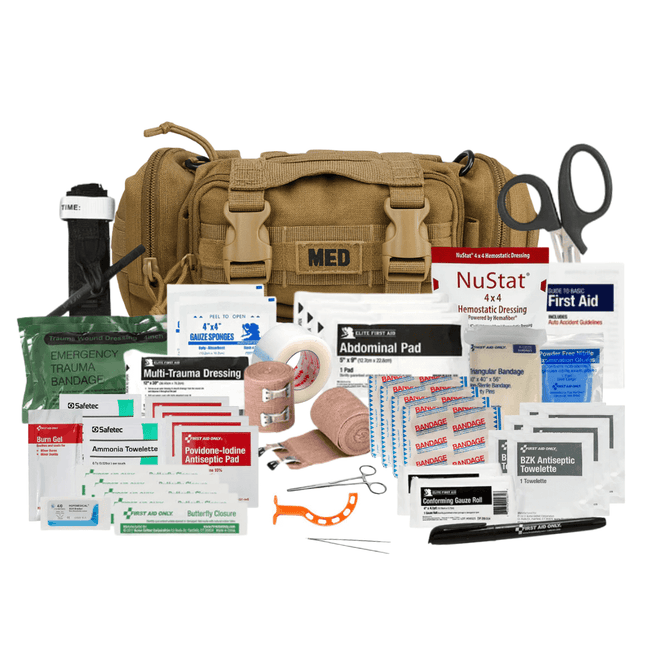
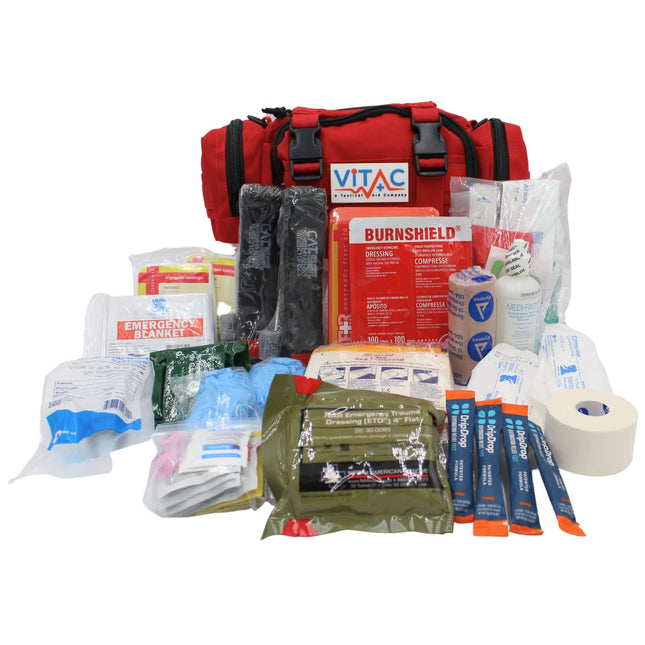
FSA funds have a deadline. Most plans run on a use-it-or-lose-it calendar, and many participants lose funds each year simply because they didn't know what qualified. Here's one thing most people miss: a first aid kit is a legitimate FSA-eligible medical expense under IRS Section 213(d). Not a loophole. Not a gray area. A clear, qualified purchase.
The catch is that eligibility depends on what's inside the kit and where you buy it. A box of novelty bandages from a gift shop doesn't make the cut. A professionally assembled kit stocked with wound-care supplies, tourniquets, and hemostatic gauze does. ViTAC Solutions carries FSA-eligible trauma and first aid kits built to professional standards — not the dusty plastic box you grab at a checkout counter.
What Actually Qualifies a First Aid Kit for FSA Use
The IRS Standard Behind the Eligibility
FSA eligibility isn't arbitrary. It comes directly from IRS Section 213(d), which defines qualified medical expenses as amounts paid for the diagnosis, cure, treatment, or prevention of disease, or for any purpose that affects a structure or function of the body. First aid kits qualify because their contents are medical in nature. Major FSA administrators including Lively, Fidelity, and Cigna explicitly approve first aid kits under this standard. This is settled territory.
IRS Publication 502 provides the foundational rules, and Publication 969 confirms that expenses eligible for one account type (like an HSA) carry over to FSA reimbursement as well. The eligibility framework is consistent across account types, with one exception: limited-purpose FSAs and dependent care FSAs are restricted to dental, vision, and childcare expenses respectively. If you have a standard health FSA, a first aid kit is fair game.
Many retailers who sell FSA-eligible kits label them as such, and their receipts reflect itemized medical supplies. If you're unsure about a specific product, check whether your FSA administrator has an eligible product filter on their portal, or look for kits sold through SIGIS-certified merchants. SIGIS-certified retailers integrate an Inventory Information Approval System (IIAS) at checkout, which means eligible products are typically auto-approved when you swipe your FSA debit card — no manual claim required in most cases, though dual-use items or partial kit purchases may still need documentation.
Why "Primary Medical Purpose" Is the Deciding Factor
The kit has to exist for medical treatment, not general convenience or wellness. A kit stocked with bandages, antiseptic solution, gauze, and wound-care supplies has a clear medical purpose. A "wellness bundle" that mixes in vitamins, essential oils, and stress relief items doesn't. FSA administrators look at what the product is fundamentally designed to do.
💡 The Fast Track to Approval
Buy from a retailer that labels products as FSA-eligible and provides itemized receipts. That documentation is what makes the claim stick. If you're unsure about a specific kit, check your administrator's eligible product list or look for the SIGIS-eligible label on the product page.
Which Items Inside the Kit Are Covered (and Which Need Extra Steps)
Items That Qualify Without Question
The following items are commonly FSA-eligible when purchased as part of a first aid kit or individually. Most plan administrators approve them without requiring additional documentation, though rules can vary — keeping your itemized receipt is always the right move:
- Bandages of all types, including hydrocolloid and waterproof
- Sterile gauze pads and wound dressings
- Antiseptic solutions and antibiotic ointment
- Medical tape, instant cold packs, and thermometers
- Tourniquets, hemostatic gauze, pressure dressings, and chest seals
- Cotton swabs, hand sanitizer, and gloves
These are the core components that give a first aid or trauma kit its eligibility. If a kit is built around these items, you're on solid ground with most FSA and HSA administrators.
Items That May Require a Letter of Medical Necessity
Some items sit in a gray zone. Products that serve dual purposes create friction. For example, 100% aloe vera can be sold as a skin care or wellness product, so some FSA administrators require a Letter of Medical Necessity from a physician before approving it. Bulk purchases of a single item can also trigger documentation requests — the administrator needs to confirm a legitimate medical purpose rather than a stockpile.
The rule is simple: if the product is clearly medical in use, it qualifies. If it could reasonably end up in a beauty or wellness aisle, verify with your plan before purchasing. A two-minute call to your FSA administrator before buying saves a rejected claim later.
Trauma Kits and IFAKs: Yes, They're FSA-Eligible Too
Why Bleeding-Control Kits Meet the FSA Standard
Many buyers assume trauma-level gear is too specialized for FSA coverage. That assumption costs them money. Trauma kits, individual first aid kits (IFAKs), and bleeding-control kits qualify under the exact same IRS Section 213(d) standard as a basic first aid kit. Retailers across the market — including specialty vendors and major chains — explicitly market tourniquets, QuikClot gauze, and pre-built trauma kits as FSA and HSA reimbursable first aid supplies.
⚠️ Don't Leave Money on the Table
If you're going to spend FSA dollars on a kit, spend them on gear that performs in an actual emergency. A professionally assembled kit built for real traumatic injury response is a better use of pre-tax dollars than anything sitting on a drugstore shelf.
ViTAC Solutions' FSA-Eligible Lineup
HSA/FSA-eligible first aid and trauma kits from ViTAC Solutions are built with professional-grade components from trusted brands like North American Rescue and Elite First Aid. Designed for law enforcement, first responders, EMS, and serious preppers — but any qualified buyer can use FSA or HSA funds to purchase them. The focus is on bleeding control, which means the contents are unambiguously medical in purpose. No wellness filler, no dual-purpose confusion.
Check ViTAC's Trauma Kits HSA/FSA Eligibility Guide and product pages for current options, shipping details, and return policies before you order.
How to Choose the Right FSA-Eligible First Aid Kit for Your Situation
Home, Vehicle, and Everyday Carry Kits
A household first aid kit should cover cuts, burns, sprains, and basic wound care. Vehicle kits need to be compact and include trauma-capable items — motor vehicle crashes are consistently among the leading causes of serious injury in the U.S., according to CDC and NHTSA data. Everyday carry kits (IFAKs) prioritize bleeding control in a portable pouch that fits in a bag or on a belt. All three formats are available as FSA-eligible options from qualified retailers.
The key is to buy from a retailer that provides itemized receipts. A vague "first aid kit — $89.00" receipt gives your FSA administrator nothing to verify. An itemized breakdown of medical supplies is what makes the claim stick.
Outdoor, Adventure, and Professional-Grade Options
If you hike, camp, hunt, or work in environments where injuries are more likely, a basic consumer kit doesn't cover your actual risk. Outdoor first aid kits include wound irrigation tools, SAM splints, moleskin, and more advanced trauma supplies. Professional-grade kits built for duty, EMS, marine, and adventure use — like those from ViTAC Solutions — contain components that go well beyond what's on a drugstore shelf while still qualifying fully as FSA-eligible medical supplies.
Match the kit's contents to your real environment. Buying a kit because it has an FSA-eligible label is the wrong approach. Buy the kit that fits your risk level, then confirm it qualifies. With professional-grade kits from reputable vendors, that confirmation is almost always yes.
Filing Your FSA Claim the Right Way
What Documentation to Keep
Save your itemized receipt at the point of purchase. The receipt should list individual items or confirm the kit's medical supply contents — not just show a lump-sum total. Some FSA administrators accept product descriptions from a retailer's website as supporting documentation alongside the receipt. If your kit includes advanced tourniquets or hemostatic agents, having the product page available as a supplement strengthens your claim.
Keep digital copies of everything. Paper receipts fade, and most FSA administrators accept scanned or photographed documents through their web portals and mobile apps. A dedicated folder in your email or cloud storage keeps every FSA purchase organized through the year.
The Submission Process, Step by Step
Most FSA administrators let you submit claims through a web portal or mobile app. Log in, start a new claim, enter the purchase details (provider name, date, amount, and item description), and upload your receipt. Categorize the expense as "medical equipment" or "first aid supplies." Review everything before submitting — one mismatched detail slows the whole process down.
If you used an FSA debit card at a SIGIS-certified merchant, the transaction may auto-approve at checkout with no manual claim needed. For out-of-pocket reimbursements, processing times vary by administrator — often a few business days, though some plans take longer. Submit before your plan's annual deadline, which is typically December 31 or the end of your plan year. Some plans offer a grace period, but don't rely on it.
Mistakes That Get First Aid Kit Claims Denied
Receipts That Don't Say Enough
A receipt showing only a total amount gives your FSA administrator nothing to work with. They need to verify the purchase was for medical goods, not general merchandise. If your retailer's receipt only shows an order total, log in to the retailer's website and print an itemized order summary — most online retailers store this in your account history. Reputable specialty medical supply retailers provide itemized receipts by default, which makes the claim process faster and cleaner.
Buying Through Uncertified or Unclear Channels
Purchasing a first aid kit from a marketplace seller who doesn't clearly label products as FSA-eligible puts your claim at risk of being flagged. The product may qualify on paper, but without clear documentation that it's a medical supply purchase, the administrator has reason to question it. Purchasing from SIGIS-certified merchants or retailers who explicitly market HSA/FSA-approved IFAKs and trauma kits reduces your rejection risk significantly.
🔑 Two Minutes That Protect Your Purchase
If you're uncertain whether a specific product qualifies, call your FSA administrator before buying. Ask them directly. It eliminates the back-and-forth that delays reimbursement and protects the entire purchase from being denied.
Don't Let Good FSA Dollars Go Unspent
First aid kits are FSA-eligible under IRS Section 213(d) as long as their contents serve a clear medical purpose. Trauma kits and IFAKs qualify under the same standard. The claim process is manageable when you have an itemized receipt from a reputable retailer and submit before your plan's deadline.
The mistake most people make is waiting until the last minute, then grabbing whatever's on the shelf. You end up with a kit you won't trust in an actual emergency and a reimbursement claim that's harder to document. ViTAC Solutions carries FSA-eligible trauma and first aid kits built with professional-grade components — the kind of gear worth spending pre-tax dollars on. See current options, shipping details, and return policies here.
Your FSA funds have a deadline. Spend them on something worth keeping.
Tags
Bleeding Control
First Aid
FSA
FSA Eligible
HSA
IFAK
Medical Supplies
Preparedness
Trauma Kit