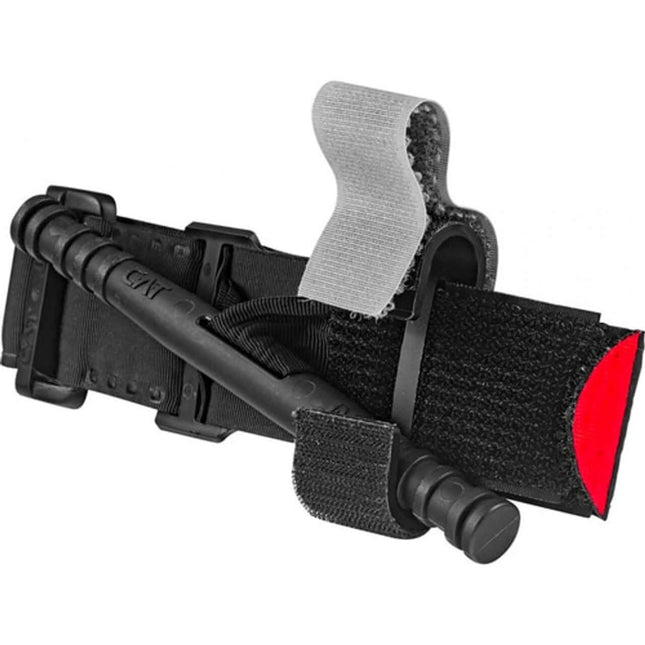
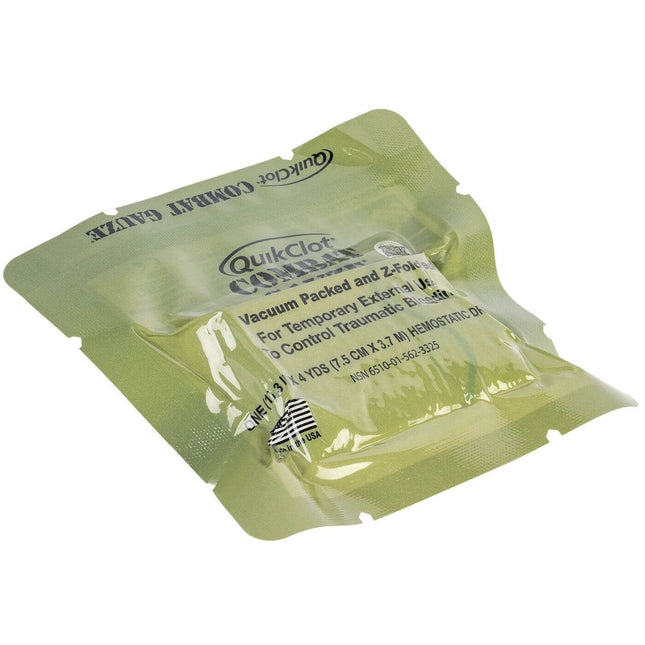
The CARES Act of 2020 removed the prescription requirement for over-the-counter medical supplies purchased through HSA and FSA accounts. Tourniquets, hemostatic gauze, chest seals, and pressure dressings satisfy the IRS definition of a qualified medical expense — they treat or prevent a medical condition. That means most trauma kit components qualify for reimbursement.
What doesn't qualify: pouches, MOLLE platforms, and storage hardware. They're accessories, not medical items. If your receipt shows "IFAK" or "trauma kit" without line-item detail, your plan administrator has a straightforward reason to reject the claim. This guide covers exactly what qualifies, what documentation to keep, and how to avoid the traps that get HSA/FSA claims denied.
What qualifies under IRS guidelines
The IRS standard: an item qualifies if it diagnoses, treats, mitigates, or prevents a medical condition. Trauma components clear that bar definitively. General-use accessories don't.
Typically eligible:
- Tourniquets (CAT Gen 7, SOFTT-W) — control life-threatening extremity hemorrhage
- Hemostatic gauze (QuikClot Combat Gauze) — pack wounds where tourniquets can't reach
- Chest seals — treat penetrating chest injuries, preventing tension pneumothorax
- Pressure dressings — apply and maintain direct pressure on bleeding wounds
- Trauma shears — cut clothing to expose injuries for treatment
- Nitrile gloves — barrier protection during patient care
- Gauze pads, rolls, and tape — wound packing and management
- CPR masks — airway protection during rescue breathing
- SAM splints — stabilize fractures during transport
Not eligible:
- Tactical pouches, MOLLE bags, and storage cases — accessories, not medical items
- Carabiners, straps, and mounting hardware
- Practice or training tourniquets — educational use, not treatment
- Multi-tools or knives — general-use, not medical-specific
The line blurs with complete kits. A receipt showing "IFAK" without itemization may be rejected outright. Request an itemized receipt that lists each component separately — most reputable vendors provide this on request.

MARCH components and the documentation angle
The MARCH protocol — Massive hemorrhage, Airway, Respiration, Circulation, Hypothermia — is the DoD-backed trauma care framework used by military and first responders. Every item in a MARCH-aligned kit has a named clinical function. That's what makes documentation manageable: you're not arguing that a tourniquet is "medical" in the abstract, you're citing a specific protocol step.
If a claim gets questioned, "CAT Gen 7 tourniquet for massive hemorrhage control (MARCH step M)" holds up. "Tourniquet" by itself gives the reviewer less to work with. Note the protocol step when you save your receipts. For a full breakdown of tourniquet qualification specifically, see Tourniquets on Your HSA Card: Why They Qualify.
Counterfeit CAT tourniquets are sold on major online marketplaces at prices that look reasonable. They fail under load and lack the documentation chain — manufacturer receipts, verified NSN numbers — that supports an HSA/FSA substantiation request. Buy from verified sources. Your pre-tax dollars should pay for gear that works.
How to verify coverage with your plan
HSA and FSA plans are administered by different companies. The IRS sets the eligibility framework; your administrator makes the call on specific items. Don't assume — verify before you buy.
| Method | How |
|---|---|
| Online portal | Search by product name or category — most administrators have an eligibility lookup tool |
| Phone | Call the number on your benefits card and ask specifically about tourniquets, hemostatic agents, and chest seals |
| Plan documents | Review your eligible expense list under "first aid supplies" or "over-the-counter medical items" |
If the representative isn't certain about a specific trauma item, ask them to note your call. That record protects you if the purchase is questioned during a plan review or IRS audit.
"CAT Gen 7 tourniquet for massive hemorrhage control (MARCH step M)" holds up. "Tourniquet" by itself gives the reviewer less to work with.Documentation standard — MARCH-aligned HSA/FSA claims
Documentation: what to keep and why
The IRS can audit HSA withdrawals up to three years after you file. Plan administrators may request proof of eligibility — especially for purchases over $100. Keep these records for every purchase:
- Itemized receipt — product names, quantities, and individual prices. Not just a total
- Product description from the vendor's site — screenshot or PDF confirming medical use. "CAT Gen 7 tourniquet for extremity hemorrhage control" clears review; "tactical gear" doesn't
- Date of purchase and payment method
Store digital copies in a single folder, labeled by year. If you're buying a complete IFAK, ask for an invoice that breaks out each component by name and price.
Buying smart
- Buy components separately when possible — a $200 IFAK is harder to document than $200 in individually invoiced components
- Use FSA funds before year-end — most FSAs are use-it-or-lose-it. Q4 is the time to stock or rotate components before the balance expires
- Rotate expiring supplies — hemostatic gauze and chest seals have 5-year shelf lives. Use HSA funds to replace them on schedule rather than waiting for failure
- Upsize strategically — a basic personal trauma kit runs $80–$150; a family or team kit can reach $300+. All the medical components qualify. The pouch doesn't
- Stack discounts — HSA/FSA eligibility can combine with GovX ID or veteran discounts. Apply both at checkout
FAQ
Can I use my HSA or FSA card directly at checkout?
Yes, if your plan allows direct purchase. If your card is declined — which happens when administrators flag unfamiliar product categories — pay out-of-pocket and file for reimbursement with your itemized receipt. A declined card doesn't mean the item is ineligible. It means your administrator needs documentation before approving the charge.
Do I need a prescription or doctor's note?
No. The CARES Act of 2020 eliminated the prescription requirement for OTC medical supplies. Tourniquets, hemostatic agents, bandages, and chest seals don't require a prescription — just an itemized receipt that demonstrates medical use.
What's the difference between HSA and FSA eligibility for trauma kits?
The same components qualify under both. The real difference is rollover: HSAs accumulate year to year, while most FSAs expire at year-end. Check your plan's specific rollover rules — eligible expense categories are the same, but the spending deadline isn't.
Bottom line
Tourniquets, hemostatic gauze, chest seals, and pressure dressings clear the IRS standard for qualified medical expenses. The CARES Act of 2020 removed the last barrier — no prescription required. What gets claims rejected is documentation: a receipt that says "trauma kit" without itemization gives your administrator a reason to deny it. Get the line-item invoice and keep it for three years.
For a full breakdown of which ViTAC kits are already HSA/FSA aligned, see ViTAC Kits That Qualify for HSA and FSA Purchase. Ready to build your kit? Browse the ViTAC IFAK collection — TCCC-aligned components from verified sources, with itemized receipts available on every order.