Tactical First Aid Kit Checklist: Build Your Essential Kit for outdoor camping and emergency preparedness.

Tactical First Aid Kit Checklist: Build Your Essential Kit

5 min reading time

What Makes a Tactical First Aid Kit Different?

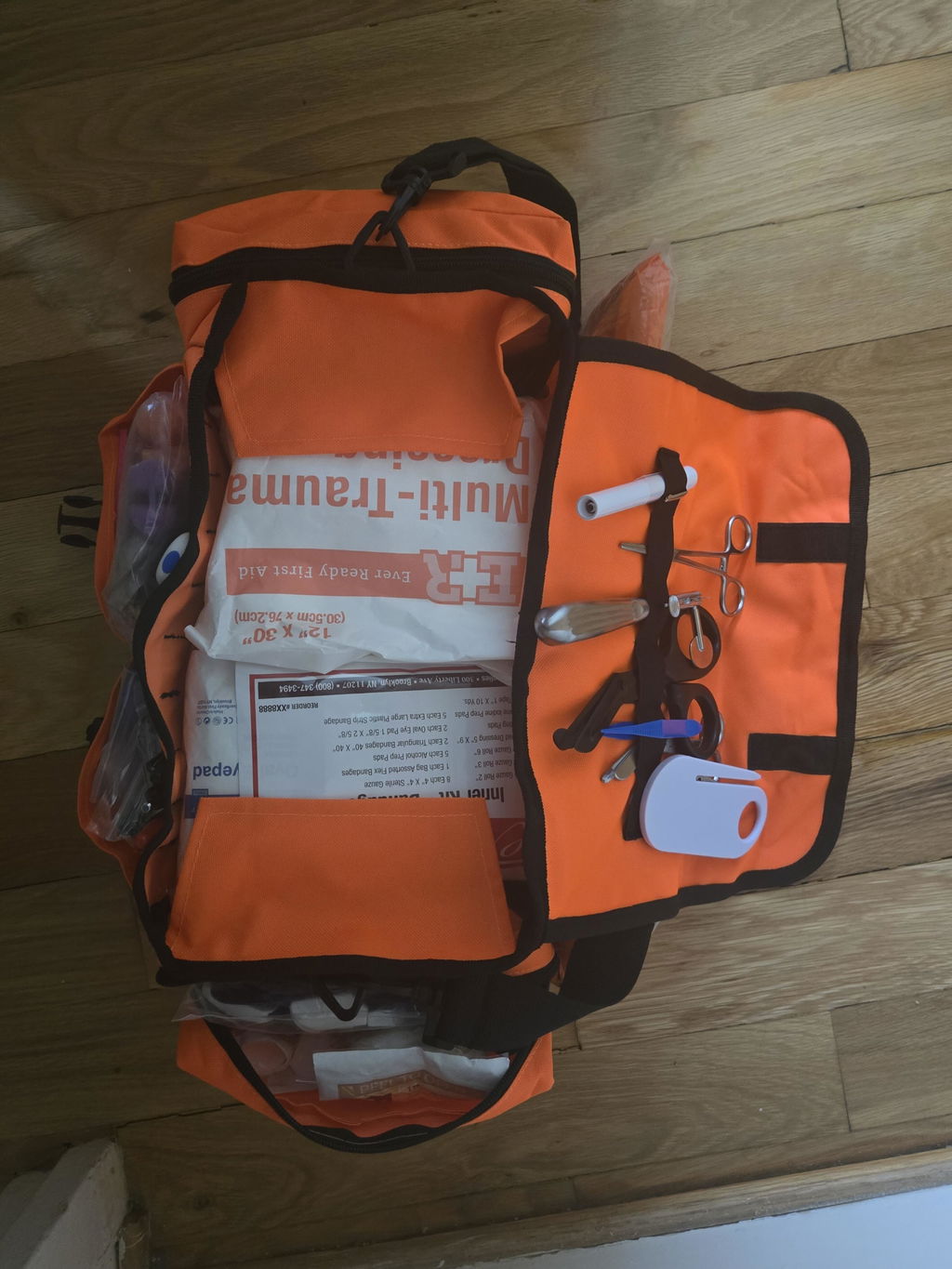
A tactical first aid kit, also known as an Individual First Aid Kit (IFAK), is specifically designed for high-stress, potentially dangerous situations where immediate medical intervention can mean the difference between life and death. Unlike standard first aid kits, tactical kits prioritize trauma care and life-threatening injuries over minor cuts and scrapes.

The Golden Hour Principle

In emergency medicine, the "golden hour" refers to the critical first 60 minutes after a traumatic injury occurs. During this window, proper medical intervention dramatically increases survival rates. Your tactical first aid kit should be built around this principle, focusing on items that can stabilize life-threatening conditions until professional medical help arrives.

Essential Categories for Your Tactical First Aid Kit

1. Hemorrhage Control (Bleeding Control)

Uncontrolled bleeding is the leading cause of preventable death in trauma situations. Your kit must include:

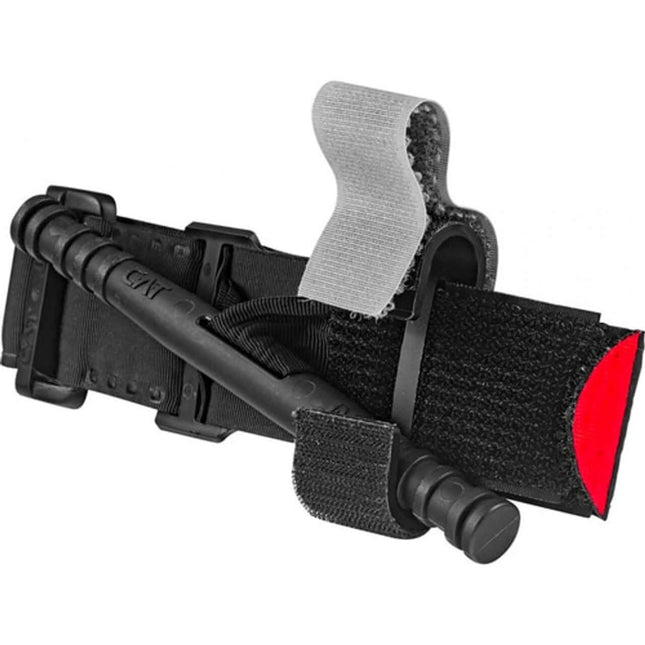
  • Combat Application Tourniquet (CAT) - The gold standard for extremity hemorrhage control
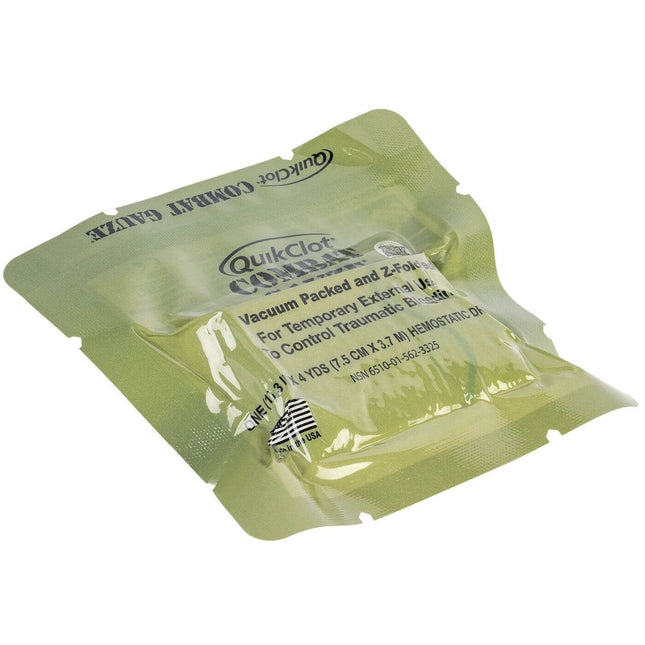
  • Hemostatic gauze (QuikClot or similar) - Promotes rapid blood clotting
  • Pressure bandages - Israeli bandages or Emergency Trauma Dressings (ETD)
  • Compressed gauze - Space-efficient wound packing material

2. Airway Management

Maintaining an open airway is critical for survival:

  • Nasopharyngeal airway (NPA) - For unconscious patients with potential airway obstruction
  • Chest seals - Vented or non-vented for penetrating chest wounds
  • 14-gauge decompression needle - For tension pneumothorax (advanced users only)

3. Circulation Support

Supporting circulation and preventing shock:

  • IV fluids and administration set (if trained)
  • Blood pressure cuff - For monitoring vital signs
  • Pulse oximeter - Measures oxygen saturation

4. Wound Care and Protection

For treating various types of injuries:

  • Sterile gauze pads - Multiple sizes (2x2, 4x4 inches)
  • Medical tape - Waterproof and strong adhesion
  • Burn gel dressings - For thermal injuries
  • Triangular bandages - Versatile for slings and securing splints

5. Medications

Basic medications for pain and inflammation:

  • Pain relievers - Ibuprofen, acetaminophen, or aspirin
  • Antihistamines - For allergic reactions
  • Epinephrine auto-injector - If prescribed for severe allergies

6. Tools and Accessories

Essential tools for effective treatment:

  • Trauma shears - For cutting clothing and materials
  • Nitrile gloves - Multiple pairs for protection
  • Permanent marker - For marking tourniquet times
  • Flashlight or headlamp - For low-light situations
  • Duct tape - Multi-purpose securing material

Organizing Your Tactical First Aid Kit

The MARCH Protocol

Organize your kit following the MARCH protocol for tactical trauma care:

  • M - Massive hemorrhage control
  • A - Airway management
  • R - Respiratory support
  • C - Circulation and shock prevention
  • H - Hypothermia prevention and head injury care

Pack items in order of priority, with hemorrhage control supplies most accessible.

Container Selection

Choose a container that's:

  • Waterproof or water-resistant
  • Durable enough for harsh conditions
  • Easy to open under stress
  • Appropriately sized for your intended use
  • MOLLE-compatible if needed

Recommended Complete Tactical First Aid Kits

If you prefer a professionally assembled kit, consider these options based on your needs and training level:

For Beginners:

For Advanced Users:

For Teams and Groups:

Training: The Most Important Component

The most advanced tactical first aid kit is useless without proper training. Consider these training options:

  • Stop the Bleed courses - Civilian hemorrhage control training
  • Tactical Combat Casualty Care (TCCC) - Military-standard trauma care
  • Wilderness First Responder (WFR) - Extended care in remote areas
  • CPR/AED certification - Basic life support skills

Maintenance and Expiration Management

Regular maintenance ensures your kit remains effective:

  • Check expiration dates every 6 months
  • Replace used or expired items immediately
  • Inspect packaging for damage
  • Practice with your equipment regularly
  • Update contents based on new training or changing needs

Consider our ViTAC First Aid Supply Trauma Refill Kit to easily replace expired or used supplies.

Legal Considerations

Be aware of legal restrictions in your area:

  • Some medications require prescriptions
  • Certain medical devices may have usage restrictions
  • Good Samaritan laws vary by jurisdiction
  • Workplace or organizational policies may apply

Building vs. Buying Pre-Made Kits

Building Your Own Kit

Pros:

  • Customized to your specific needs and training level
  • Often more cost-effective
  • You know exactly what's included
  • Can upgrade components over time

Cons:

  • Requires research and knowledge
  • Time-consuming to assemble
  • May miss important items

Pre-Made Tactical Kits

Pros:

  • Professionally designed and tested
  • Immediate availability
  • Often include training materials
  • Balanced selection of supplies

Cons:

  • May include items you don't need
  • Less customization
  • Potentially higher cost

Essential Individual Components

If you're building your own kit, these are the must-have individual components:

Conclusion

Building an effective tactical first aid kit requires careful consideration of your environment, training level, and potential threats. Remember that equipment is only as good as the person using it – invest in quality training alongside quality gear.

Whether you're military, law enforcement, a first responder, or a prepared civilian, having the right tools and knowledge can make the difference when seconds count. Start with the basics, get proper training, and gradually build your capabilities over time.

Your tactical first aid kit isn't just a collection of medical supplies – it's your ability to save lives when it matters most.

Ready to build your tactical first aid kit? Browse our complete selection of Individual First Aid Kits (IFAKs) and Emergency Medical Trauma Kits to find the perfect solution for your needs.

Tags


Read this next...

  • Church lobby wall-mounted bleed control kit providing public access readiness for congregants and visitors

    Bleed Control Kits for Churches and Workplaces

    OSHA minimum workplace kits don't include a tourniquet. Here's how to calculate station count, stock each station, and build bleed control coverage in any public...

  • Building floor plan with bleed control kit placement markers showing coverage zones and recommended kit density per square footage

    How Many Bleed Control Kits Your Building Actually Needs

    One kit at the main entrance fails the 90-second coverage rule for most buildings. Here's how to run a coverage audit and calculate the correct...

  • Office wall-mounted bleed control kit open and accessible for workplace public access readiness program

    Why Businesses Need Public Access Bleed Control Kits

    Arterial hemorrhage kills in 3 minutes. Urban EMS takes 7–10. Every business needs CoTCCC-standard bleed control kits — here's how to select, deploy, and train...

  • School hallway wall-mounted bleed control kit station positioned near classroom door for immediate student and staff access

    Bleed Control Kits for Schools: What to Stock and Where to Place Them

    40+ states mandate bleed control kits in schools — but most deployment plans miss classrooms and buses. Here's the placement standard that actually works.

<h2>Your pre-tax dollars can fund your preparedness.</h2>

Your pre-tax dollars can fund your preparedness.

Most of our trauma kits and first aid supplies qualify for HSA and FSA reimbursement. Don't let your benefits expire — invest them in gear that could save a life.

Not sure which kit is right for your mission?

What are you preparing for? On-duty response, family preparedness, outdoor adventure... Answer 5 quick questions and we'll match you with the right gear.

Group of soldiers in military gear with an American flag in a desert setting

Our Mission.

We've been downrange. We know what it costs to be unprepared. ViTAC was built by U.S. Army Special Operations veterans to make sure the people who run toward the threat — and the families who depend on them — have gear that works when everything is on the line.

— ViTAC Solutions Founders | 40+ years combined Special Operations experience

Trusted by Law Enforcement & Tactical Professionals

Footer image

© 2026 ViTAC Solutions, Powered by Shopify

    • Amazon
    • American Express
    • Apple Pay
    • Diners Club
    • Discover
    • Google Pay
    • Mastercard
    • PayPal
    • Shop Pay
    • Visa

    Login

    Forgot your password?

    Don't have an account yet?
    Create account

    EMPTY DOM REMOVE PROTECTOR