Trusted by Law Enforcement & Tactical Professionals
Tactical Preparedness | Guide to Building Emergency Readiness
12 min reading time
Our guide walks you through essential steps for Tactical Preparedness, from physical readiness and mental resilience to core survival skills. Learn how to confidently face challenges and secure your future—start your journey to emergency readiness today! Are you ready for any emergency?
In today’s world, being prepared isn’t just for professionals in uniform. Whether you’re concerned about natural disasters, supply chain breakdowns, or just want more control over your future, building tactical readiness is a powerful way to create peace of mind.
Here’s how to take action and build real-world readiness—step-by-step.
Step 1: Build Your Physical Readiness
In an emergency, your body is your #1 survival tool. You don’t need to become an elite athlete—but you do need to build strength, stamina, and agility.
Do This:
Start with 15–30 mins of cardio 3x/week (walking, jogging, biking)
Add 2–3 strength sessions/week with bodyweight moves like squats, pushups, and planks
Improve flexibility and coordination with yoga or mobility drills
Pro Tip: Use basic equipment like resistance bands or a yoga mat to make home training accessible and consistent.
Step 2: Train Your Mental Resilience
Stressful situations demand more than physical power. They require focus, calm, and clarity under pressure.
Do This:
Practice situational awareness daily: Notice exits, patterns, and people when you’re out.
Add 5–10 minutes of mindfulness meditation each morning (apps like Headspace or Insight Timer help).
Play strategy games or try escape rooms to build decision-making under stress.
Pro Tip: Use the “Stop, Observe, Plan, Act” (SOPA) method during any high-pressure decision to avoid panic reactions.
Step 3: Learn Core Survival Skills
Skills are the ultimate force multiplier. Unlike gear, they improve with time and make you an asset—not just a bystander—in any crisis.
Learn These First:
First Aid – CPR, wound care, tourniquet use
Navigation – Use a map, compass, and natural landmarks without GPS
Shelter-Building & Foraging – Learn how to create shelter and identify water or edible plants
Fire Safety & Water Purification – Carry water purification tabs and practice starting fires in various conditions
Bonus: Sign up for a weekend survival skills course or wilderness first aid certification.
Step 4: Practice Accountability & Consistency
Knowledge fades without use. Practice is what creates true readiness.
Do This:
Set skill benchmarks (e.g., “I can apply a tourniquet in under 60 seconds”)
Join local volunteer orgs like Red Cross or CERT for hands-on experience
Train with others—create a group text or calendar to stay on track
Pro Tip: Keep a "Readiness Journal" where you log physical training, skills practiced, and gaps to work on.
Step 5: Join or Create a Mutual Assistance Group (MAG)
Teamwork multiplies everything—resources, skills, and morale. A MAG is a small group of trusted people who train and prepare together.
Build Your Group:
Find 3–5 like-minded people (friends, neighbors, or local prepper forums)
Pro Tip: Run mock drills or weekend training sessions together. Think of it as your “readiness gym.”
Step 6: Invest in the Right Gear (Only After You Build Skills)
Start with skills, not stuff. But once you’ve trained, you need tools you can count on.
Start With:
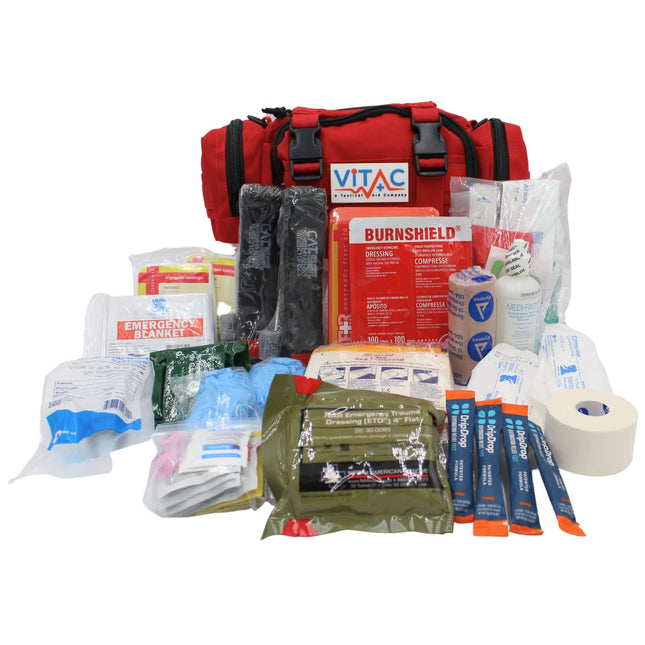
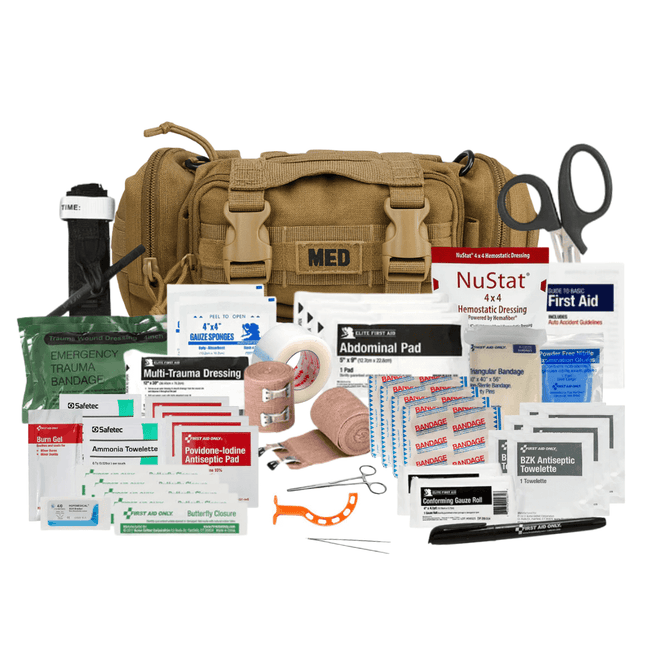
A premium first aid kit with trauma supplies
Multi-tool, fire-starting kit, and water filtration
Go-bag or car kit with 72-hour essentials
Pro Tip: Choose gear built by professionals, not just marketed to civilians.
Ready to Take the First Step?
Becoming prepared isn’t about paranoia. It’s about confidence, capability, and control.
You don’t have to be an expert to get started—you just need to start.
Equip Yourself with ViTAC Solutions
At ViTAC Solutions, we design first aid and survival gear used by those who can’t afford to fail—military professionals, first responders, and now, you.
Whether you’re prepping for an emergency or building everyday readiness, we’ve got you covered. 🔗Explore ViTAC’s Premium Kits and Readiness Tools
In Stock
Domestic Shipping (USA - Lower 48 Only) Orders are processed within 24 hours and typically ship within 1–2 business days. Once shipped, delivery takes an estimated 3–7 days, with most orders arriving in just 5 days. Please Note: We currently do not ship to Alaska, Hawaii, or international destinations. Questions? Contact us anytime at support@vitacsolutions.com or call 307-202-8426.
In Stock
Domestic Shipping (USA - Lower 48 Only) Orders are processed within 24 hours and typically ship within 1–2 business days. Once shipped, delivery takes an estimated 3–7 days, with most orders arriving in just 5 days. Please Note: We currently do not ship to Alaska, Hawaii, or international destinations. Questions? Contact us anytime at support@vitacsolutions.com or call 307-202-8426.
In Stock
Domestic Shipping (USA - Lower 48 Only) Orders are processed within 24 hours and typically ship within 1–2 business days. Once shipped, delivery takes an estimated 3–7 days, with most orders arriving in just 5 days. Please Note: We currently do not ship to Alaska, Hawaii, or international destinations. Questions? Contact us anytime at support@vitacsolutions.com or call 307-202-8426.
In Stock
Domestic Shipping (USA - Lower 48 Only) Orders are processed within 24 hours and typically ship within 1–2 business days. Once shipped, delivery takes an estimated 3–7 days, with most orders arriving in just 5 days. Please Note: We currently do not ship to Alaska, Hawaii, or international destinations. Questions? Contact us anytime at support@vitacsolutions.com or call 307-202-8426.
What are you preparing for? On-duty response, family preparedness, outdoor adventure... Answer 5 quick questions and we'll match you with the right gear.
Uncontrolled bleeding is the leading cause of preventable trauma death. EMS averages 14 minutes nationally. A firearm stops the threat — only a trauma kit...
Gunshot Wound Kit: 6 TCCC Components and How to Build Your Own
Uncontrolled bleeding kills in 3–5 minutes. Here are the 6 TCCC-standard components every gunshot wound kit requires, what each one does, and how to build...
We've been downrange. We know what it costs to be unprepared. ViTAC was built by U.S. Army Special Operations veterans to make sure the people who run toward the threat — and the families who depend on them — have gear that works when everything is on the line.
— ViTAC Solutions Founders | 40+ years combined Special Operations experience
Most of our trauma kits and first aid supplies qualify for HSA and FSA reimbursement. Don't let your benefits expire — invest them in gear that could save a life.
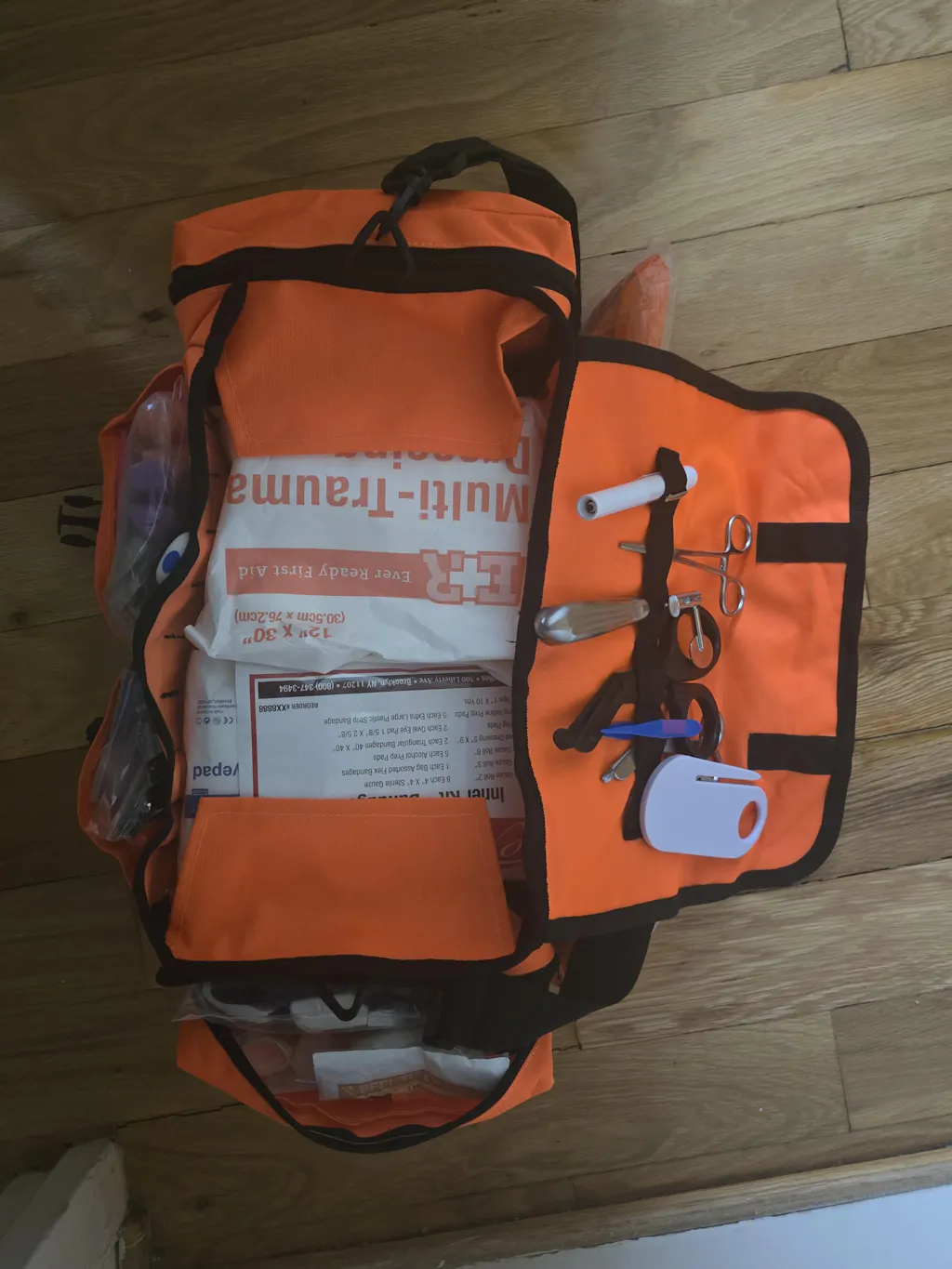
Excellent choice for a one-stop, well-stocked trauma bag
This is a great kit if you're looking for a higher-level bag. The individual pieces are good quality and it packs tightly--that's good but it doesn't leave a ton of room if you want to add anything.