Emergency Gear Selection: Complete Guide to Choosing Reliable Equipment That Performs
7 min reading time
7 min reading time
Emergency gear selection is the critical process of evaluating, choosing, and acquiring equipment that will perform reliably during disasters, power outages, natural emergencies, and crisis situations when failure is not an option. When emergencies strike—whether wildfires, hurricanes, earthquakes, extended blackouts, or unexpected roadside incidents—your survival and safety depend entirely on gear that works exactly as intended under the most demanding conditions. Choosing durable, reliable emergency equipment isn't about convenience or preference—it's about the difference between staying safe and facing unnecessary risk or even death.
The emergency preparedness market is flooded with cheap, poorly constructed gear that looks adequate on store shelves but fails catastrophically when tested by real-world emergencies. Understanding how to distinguish quality equipment from marketing hype, evaluate materials and construction, and select gear appropriate for your specific threats ensures your investment protects rather than betrays you when seconds count.
This comprehensive guide provides actionable strategies for emergency gear selection, from assessing local risks and identifying essential items to evaluating quality indicators and building reliable emergency kits that perform under pressure.
Effective emergency gear selection begins with understanding your specific threats:
Identify natural disasters most likely in your region:
Coastal Areas:
Midwest and Plains:
Western States:
Mountain Regions:
All Regions:
Consider your specific situation:
Build comprehensive preparedness across critical categories:
Medical emergencies occur during disasters when professional help is unavailable:
Quality Indicators:
Essential Components:
For comprehensive medical preparedness, see our guide on professional-grade trauma kits.
Versatile tools handle multiple emergency scenarios:
Quality Indicators:
Recommended Brands:
Essential Features:
Clean water is survival priority number one:
Storage Solutions:
Purification Methods:
Reliable illumination is critical during power outages:
Quality Indicators:
Essential Lighting:
Protection from elements prevents hypothermia and exposure:
Emergency Blankets:
Portable Shelter:
Layered clothing systems adapt to changing conditions:
Base Layer: Moisture-wicking synthetic or merino wool
Mid Layer: Insulating fleece or down
Outer Layer: Waterproof, breathable shell
Critical Items:
Stay oriented and connected when technology fails:
Navigation:
Communication:
Versatile materials solve countless problems:
Paracord (550 cord):
Additional Repair Items:
Calorie-dense, long-lasting food maintains energy:
Quality Indicators:
Recommended Options:
Multiple ignition methods ensure success:
Distinguish reliable equipment from junk:
Superior Materials:
Signs of Quality:
Research Sources:
Build comprehensive preparedness systematically:
Invest in quality rather than replacing cheap gear repeatedly:
Gear only works if maintained and tested:
At ViTAC Solutions, we understand that emergency gear selection can mean the difference between life and death. That's why our emergency medical kits and trauma supplies are curated by U.S. Army Green Berets with real-world combat and emergency experience.
We stock only field-tested, professional-grade equipment that meets the demanding standards of those who operate in high-stakes environments. When reliability matters most, trust gear selected by veterans who've depended on it in the most challenging conditions imaginable.
Explore our complete line of emergency preparedness equipment at www.ViTACsolutions.com.
ViTAC Solutions – Professional-grade emergency equipment built by veterans, trusted by those who refuse to compromise on quality. Because emergency gear selection isn't about finding the cheapest option—it's about choosing equipment that performs flawlessly when your life depends on it.

OSHA minimum workplace kits don't include a tourniquet. Here's how to calculate station count, stock each station, and build bleed control coverage in any public...

One kit at the main entrance fails the 90-second coverage rule for most buildings. Here's how to run a coverage audit and calculate the correct...

Arterial hemorrhage kills in 3 minutes. Urban EMS takes 7–10. Every business needs CoTCCC-standard bleed control kits — here's how to select, deploy, and train...

40+ states mandate bleed control kits in schools — but most deployment plans miss classrooms and buses. Here's the placement standard that actually works.

Most of our trauma kits and first aid supplies qualify for HSA and FSA reimbursement. Don't let your benefits expire — invest them in gear that could save a life.


$124.95


$279.99
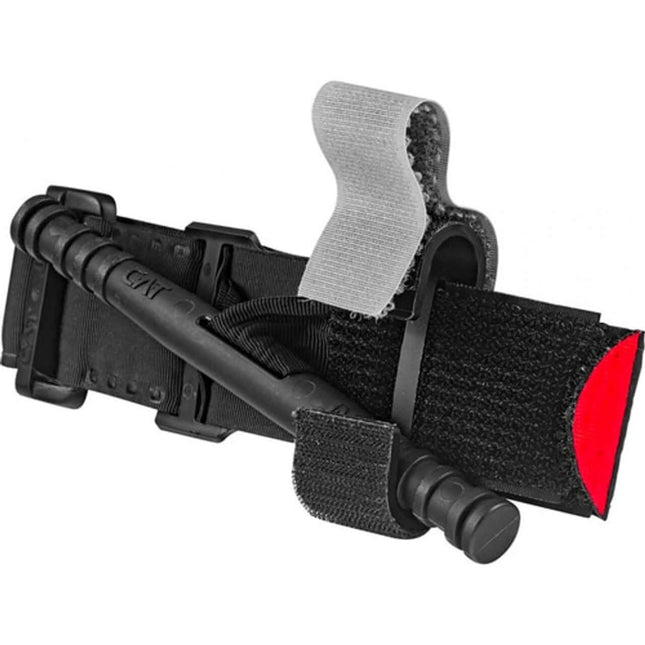

$37.49 - $139.46


$299.95 $269.95


$139.95 - $169.95

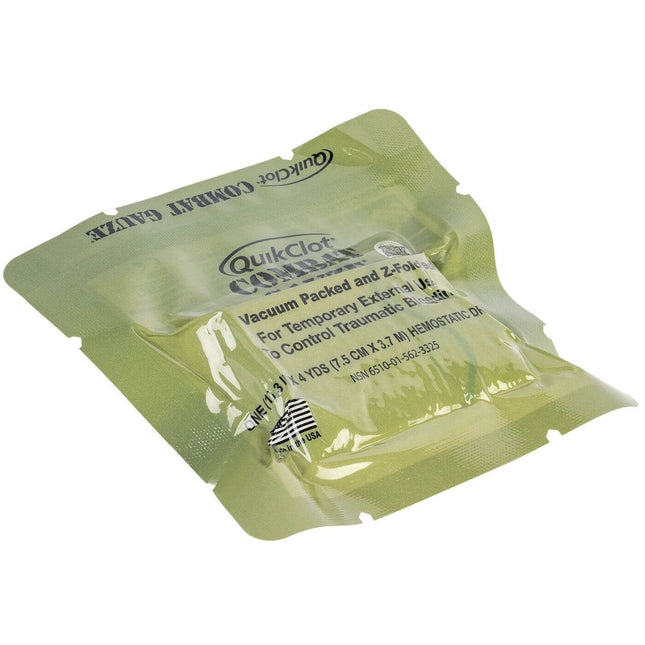
$49.95


$25.99


$164.95

We've been downrange. We know what it costs to be unprepared. ViTAC was built by U.S. Army Special Operations veterans to make sure the people who run toward the threat — and the families who depend on them — have gear that works when everything is on the line.
— ViTAC Solutions Founders | 40+ years combined Special Operations experience