Emergency Gear Selection: Complete Guide to Choosing Reliable Equipment That Performs - essential gear and tools for emergencies.

Emergency Gear Selection: Complete Guide to Choosing Reliable Equipment That Performs

7 min reading time

Emergency Gear Selection: Choosing Equipment That Performs When It Matters Most

Emergency gear selection is the critical process of evaluating, choosing, and acquiring equipment that will perform reliably during disasters, power outages, natural emergencies, and crisis situations when failure is not an option. When emergencies strike—whether wildfires, hurricanes, earthquakes, extended blackouts, or unexpected roadside incidents—your survival and safety depend entirely on gear that works exactly as intended under the most demanding conditions. Choosing durable, reliable emergency equipment isn't about convenience or preference—it's about the difference between staying safe and facing unnecessary risk or even death.

The emergency preparedness market is flooded with cheap, poorly constructed gear that looks adequate on store shelves but fails catastrophically when tested by real-world emergencies. Understanding how to distinguish quality equipment from marketing hype, evaluate materials and construction, and select gear appropriate for your specific threats ensures your investment protects rather than betrays you when seconds count.

This comprehensive guide provides actionable strategies for emergency gear selection, from assessing local risks and identifying essential items to evaluating quality indicators and building reliable emergency kits that perform under pressure.

Start with Risk Assessment

Effective emergency gear selection begins with understanding your specific threats:

Geographic Hazards

Identify natural disasters most likely in your region:

Coastal Areas:

  • Hurricanes and tropical storms
  • Storm surge and flooding
  • High winds and flying debris
  • Extended power outages
  • Evacuation requirements

Midwest and Plains:

  • Tornadoes and severe thunderstorms
  • Flooding from heavy rainfall
  • Winter storms and ice
  • Extreme temperature swings

Western States:

  • Wildfires and smoke
  • Earthquakes and aftershocks
  • Drought conditions
  • Extreme heat

Mountain Regions:

  • Avalanches and landslides
  • Extreme cold and snow
  • Isolation during winter
  • Wildfire in dry seasons

All Regions:

  • Power grid failures
  • Severe weather events
  • Infrastructure disruptions
  • Medical emergencies

Personal Risk Factors

Consider your specific situation:

  • Urban vs. rural location (response time differences)
  • Family size and ages (children, elderly)
  • Medical conditions requiring special equipment
  • Pets requiring evacuation
  • Home construction and vulnerabilities
  • Distance from emergency services

Essential Emergency Gear Categories

Build comprehensive preparedness across critical categories:

1. Medical and First Aid Equipment

Medical emergencies occur during disasters when professional help is unavailable:

Quality Indicators:

Essential Components:

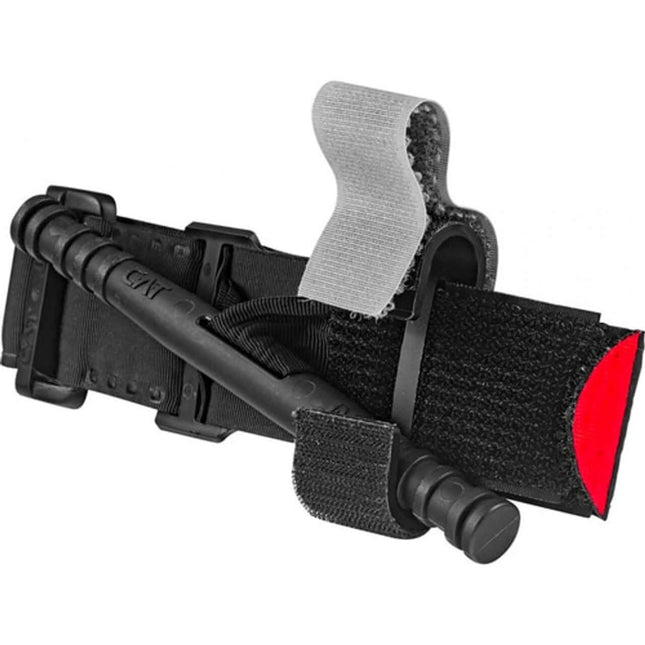
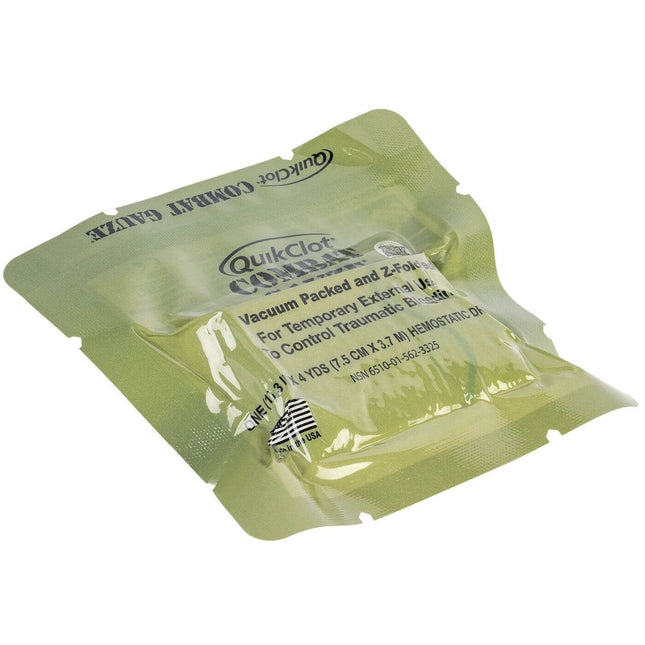
  • Trauma dressings and pressure bandages
  • Hemostatic gauze for severe bleeding
  • Airway management tools
  • Wound closure supplies
  • Burn treatment materials
  • Medications and pain relief

For comprehensive medical preparedness, see our guide on professional-grade trauma kits.

2. Multi-Tools and Cutting Implements

Versatile tools handle multiple emergency scenarios:

Quality Indicators:

  • Stainless steel construction (rust-resistant)
  • Locking mechanisms that hold under pressure
  • Ergonomic grip that works with gloves
  • Replaceable components
  • Lifetime warranty from reputable manufacturer

Recommended Brands:

  • Leatherman (Wave+, Signal, Surge)
  • Gerber (Center-Drive, Suspension)
  • SOG (PowerAssist, PowerLock)

Essential Features:

  • Pliers (needle-nose and regular)
  • Wire cutters
  • Multiple knife blades
  • Saw blade
  • Screwdrivers (Phillips and flathead)
  • Can/bottle opener

3. Water Purification and Storage

Clean water is survival priority number one:

Storage Solutions:

  • BPA-free containers (avoid chemical leaching)
  • Stackable design for efficient storage
  • Spigot for easy dispensing
  • Opaque material (prevents algae growth)
  • Minimum 1 gallon per person per day for 3 days

Purification Methods:

  • Filtration systems (LifeStraw, Sawyer, Katadyn)
  • UV purification (SteriPEN)
  • Chemical tablets (iodine, chlorine dioxide)
  • Boiling capability (backup method)

4. Emergency Lighting

Reliable illumination is critical during power outages:

Quality Indicators:

  • LED technology (long life, low power consumption)
  • Multiple power options (batteries, solar, hand-crank)
  • Water-resistant or waterproof rating (IPX4 minimum)
  • Impact-resistant construction
  • Adjustable brightness levels

Essential Lighting:

  • Headlamps (hands-free operation)
  • Flashlights (high-lumen tactical models)
  • Lanterns (area lighting for camps/shelters)
  • Glow sticks (no batteries, waterproof)
  • Extra batteries in multiple sizes

5. Shelter and Warmth

Protection from elements prevents hypothermia and exposure:

Emergency Blankets:

  • Mylar/space blankets (reflect 90% body heat)
  • Reusable emergency bivvies
  • Wool blankets (work when wet)
  • Compact sleeping bags rated for local climate

Portable Shelter:

  • Emergency tents (lightweight, quick-setup)
  • Tarps (ripstop nylon, reinforced grommets)
  • Paracord for shelter construction
  • Ground pads for insulation

6. Weather-Appropriate Clothing

Layered clothing systems adapt to changing conditions:

Base Layer: Moisture-wicking synthetic or merino wool
Mid Layer: Insulating fleece or down
Outer Layer: Waterproof, breathable shell

Critical Items:

  • Rain gear (jacket and pants)
  • Insulated gloves and hat
  • Extra socks (wool or synthetic)
  • Sturdy boots (waterproof, broken-in)

7. Navigation and Communication

Stay oriented and connected when technology fails:

Navigation:

  • Physical maps of local area
  • Compass (liquid-filled, adjustable declination)
  • GPS device with extra batteries
  • Knowledge to use all three

Communication:

  • Battery/hand-crank emergency radio (NOAA weather alerts)
  • Two-way radios (FRS/GMRS)
  • Whistle (signal for help)
  • Signal mirror
  • Portable phone chargers (solar or battery)

8. Cordage and Repair Materials

Versatile materials solve countless problems:

Paracord (550 cord):

  • Minimum 50-100 feet
  • 550-lb test strength
  • 7-strand inner core
  • Multiple colors for visibility

Additional Repair Items:

  • Duct tape (wrap around water bottle to save space)
  • Zip ties (various sizes)
  • Wire (baling wire or mechanic's wire)
  • Sewing kit (heavy-duty thread, needles)

9. Food and Nutrition

Calorie-dense, long-lasting food maintains energy:

Quality Indicators:

  • 5+ year shelf life
  • Minimal preparation required
  • High calorie-to-weight ratio
  • Sealed, moisture-proof packaging
  • Variety to prevent food fatigue

Recommended Options:

  • Freeze-dried meals (Mountain House, Backpacker's Pantry)
  • Energy bars and protein bars
  • Nuts and trail mix
  • Peanut butter (protein and calories)
  • Canned goods (rotate regularly)

10. Fire Starting Equipment

Multiple ignition methods ensure success:

  • Waterproof matches in sealed container
  • Butane lighters (multiple)
  • Ferrocerium rod (works when wet)
  • Tinder (cotton balls with petroleum jelly)
  • Knowledge of fire-building techniques

Evaluating Gear Quality

Distinguish reliable equipment from junk:

Material Quality

Superior Materials:

  • Ripstop nylon (tear-resistant fabrics)
  • Stainless steel (corrosion-resistant)
  • Aircraft-grade aluminum (strong, lightweight)
  • Shatterproof polycarbonate (impact-resistant)
  • Gore-Tex or similar (waterproof, breathable)

Construction Quality

Signs of Quality:

  • Reinforced stress points and seams
  • Waterproof or water-resistant coatings
  • YKK or similar quality zippers
  • Double or triple stitching
  • Sealed seams on waterproof items

Field-Tested Performance

Research Sources:

  • Reviews from actual emergency use (not just camping)
  • Military and first responder endorsements
  • Independent testing results
  • Long-term durability reports
  • Manufacturer warranty and support

Smart Acquisition Strategy

Build comprehensive preparedness systematically:

Prioritize Essentials

  1. Life-saving medical supplies (trauma kit, medications)
  2. Water (storage and purification)
  3. Shelter and warmth (protection from elements)
  4. Food (3-day minimum, build to 2 weeks)
  5. Light and communication (stay informed and visible)
  6. Tools (multi-tool, knife, repair materials)

Buy Once, Cry Once

Invest in quality rather than replacing cheap gear repeatedly:

  • Research thoroughly before purchasing
  • Buy the best you can afford
  • Prioritize multipurpose items
  • Choose proven brands with warranties
  • Avoid impulse purchases of trendy gear

Build Gradually

  • Start with immediate threats (medical, water, food)
  • Add one category per month
  • Take advantage of sales on quality gear
  • Avoid debt—build within budget
  • Test and familiarize yourself with each item

Maintenance and Testing

Gear only works if maintained and tested:

  • Quarterly inspections: Check all gear functionality
  • Annual testing: Actually use equipment in realistic scenarios
  • Rotate consumables: Food, water, batteries, medications
  • Clean and repair: Address issues before emergencies
  • Update as needed: Replace worn or outdated items

ViTAC Solutions: Veteran-Curated Emergency Gear

At ViTAC Solutions, we understand that emergency gear selection can mean the difference between life and death. That's why our emergency medical kits and trauma supplies are curated by U.S. Army Green Berets with real-world combat and emergency experience.

We stock only field-tested, professional-grade equipment that meets the demanding standards of those who operate in high-stakes environments. When reliability matters most, trust gear selected by veterans who've depended on it in the most challenging conditions imaginable.

Explore our complete line of emergency preparedness equipment at www.ViTACsolutions.com.


ViTAC Solutions – Professional-grade emergency equipment built by veterans, trusted by those who refuse to compromise on quality. Because emergency gear selection isn't about finding the cheapest option—it's about choosing equipment that performs flawlessly when your life depends on it.

Tags


Read this next...

  • Bleed control kit and first aid kit placed side by side showing the difference in components for trauma vs general injury response

    When to Use a Bleed Control Kit vs. a First Aid Kit

    Spurting blood, rapid dressing saturation, or signs of shock mean reach for the bleed control kit. Five signals tell you which kit to use —...

  • Open bleed control kit showing tourniquets, gauze, chest seals, and gloves laid out for inspection — components guide for public access readiness

    What Belongs in a Bleed Control Kit

    Arterial hemorrhage kills in 3–5 minutes. Here are the seven components every bleed control kit must contain and why each is non-negotiable for hemorrhage control.

  • Red and black ViTAC bleed control kits for emergencies on a wooden table in a modern indoor setting.

    What a Bleed Control Kit Is and Why You Need One

    Bleed control kit for emergencies is essential for stopping life-threatening bleeding. This article explains its importance, contents, and training needed for effective use.

  • HSA FSA eligible first aid supplies flatlay showing qualifying trauma and medical products for health savings account reimbursement

    First Aid Supplies You Can Buy With HSA or FSA: The Full List

    Tourniquets, hemostatic gauze, and chest seals clear the IRS Publication 502 test. The kit carrier does not. Complete HSA/FSA supply list organized by category.

<h2>Your pre-tax dollars can fund your preparedness.</h2>

Your pre-tax dollars can fund your preparedness.

Most of our trauma kits and first aid supplies qualify for HSA and FSA reimbursement. Don't let your benefits expire — invest them in gear that could save a life.

Not sure which kit is right for your mission?

What are you preparing for? On-duty response, family preparedness, outdoor adventure... Answer 5 quick questions and we'll match you with the right gear.

Group of soldiers in military gear with an American flag in a desert setting

Our Mission.

We've been downrange. We know what it costs to be unprepared. ViTAC was built by U.S. Army Special Operations veterans to make sure the people who run toward the threat — and the families who depend on them — have gear that works when everything is on the line.

— ViTAC Solutions Founders | 40+ years combined Special Operations experience

Trusted by Law Enforcement & Tactical Professionals

Footer image

© 2026 ViTAC Solutions, Powered by Shopify

    • Amazon
    • American Express
    • Apple Pay
    • Diners Club
    • Discover
    • Google Pay
    • Mastercard
    • PayPal
    • Shop Pay
    • Visa

    Login

    Forgot your password?

    Don't have an account yet?
    Create account

    EMPTY DOM REMOVE PROTECTOR