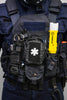
Layered Preparedness: Home Staging Your First Aid and Trauma Kits for Fast Access
2 min reading time
2 min reading time
In the blink of an eye, an emergency can escalate from a minor incident to a life-threatening situation. Imagine your family faced with severe injuries from an extreme weather event or a home invasion. Every second counts. Are you equipped to stop the bleed with your trauma kits, or are precious minutes ticking away while you search for disorganized supplies?
The stakes are high. Emergency readiness is not a theoretical exercise; it's a tactical necessity. For the civilian protector, preparedness isn't just a checkbox—it's a commitment to maintaining control in the face of chaos. This commitment starts at home, staging your first aid and trauma kits for immediate, intuitive access.
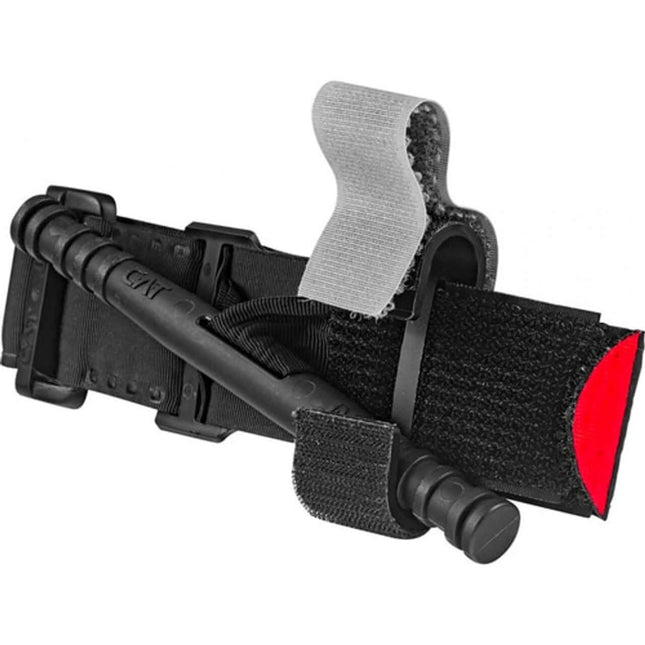
Your responsibility is clear: position your gear where injuries are most likely to occur. Analyze your home's layout and stage specific kits in strategic locations. Place a high-quality Windlass Tourniquet and a Recon IFAK – Pro under the kitchen sink and in the garage—areas prone to severe injuries.
Remember: High-performance trauma gear demands proper training. Read more about the importance of training here.
Ready-access kits like the 1st Line IFAK | Quick Pull Roll Pouch Trauma Kit are mission-critical. Evaluate your selection by ensuring compliance with TCCC standards. Trustworthiness matters—only purchase gear from verified, veteran-owned sources. Avoid counterfeit life-saving tools. For in-depth advice on spotting fake gear, click here.
| Gear Component | Purpose | Brand Recommendations |
|---|---|---|
| Tourniquets | Bleeding Control | CAT, NAR |
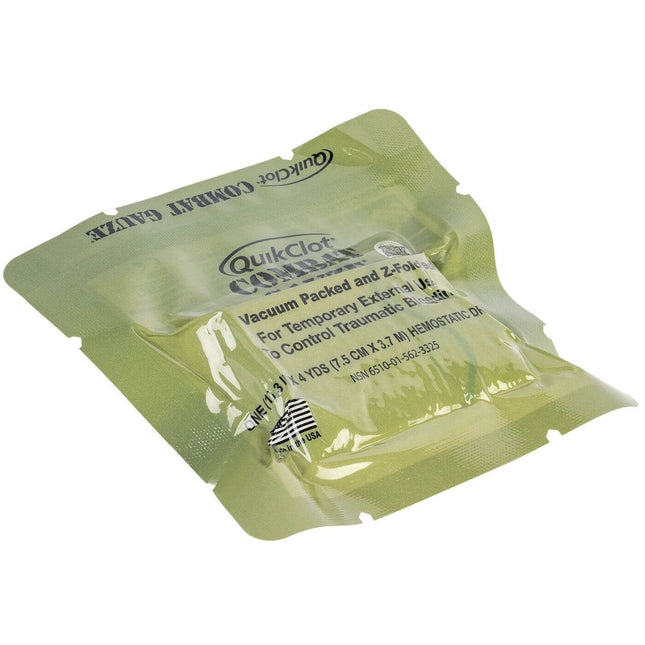
| Hemostatic Dressings | Stop the Bleed | QuikClot |
| Compression Bandages | Wound Care | Israeli Bandage |
A chaotic response can negate even the best tools. Incorporate the Ultimate First Aid Kit Checklist for a comprehensive inventory. Clearly label storage compartments and train each household member on the kit's layout. Preparation isn't just personal—it's familial. Implement this protocol and ensure your family is ready to act faster than any rescue team. Understand this necessity in detail here.
Stay Current: Regular training refreshers cement your skills. Engage regularly with reputable courses to ensure the knowledge is there when needed.
In emergencies, the most crucial resources are time and clear-headed readiness. When you stage your first aid and trauma kits for fast access, you're not only optimizing your response; you're preserving life. The bottom line is simple: don't wait for a crisis to test your gear or your readiness. Be proactive, not reactive. Explore ViTAC Solutions to ensure your preparedness strategy aligns with professional-grade standards.

OSHA minimum workplace kits don't include a tourniquet. Here's how to calculate station count, stock each station, and build bleed control coverage in any public...

One kit at the main entrance fails the 90-second coverage rule for most buildings. Here's how to run a coverage audit and calculate the correct...

Arterial hemorrhage kills in 3 minutes. Urban EMS takes 7–10. Every business needs CoTCCC-standard bleed control kits — here's how to select, deploy, and train...

40+ states mandate bleed control kits in schools — but most deployment plans miss classrooms and buses. Here's the placement standard that actually works.

Most of our trauma kits and first aid supplies qualify for HSA and FSA reimbursement. Don't let your benefits expire — invest them in gear that could save a life.


$124.95


$279.99

$37.49 - $139.46


$299.95 $269.95


$139.95 - $169.95

$49.95


$25.99


$164.95

We've been downrange. We know what it costs to be unprepared. ViTAC was built by U.S. Army Special Operations veterans to make sure the people who run toward the threat — and the families who depend on them — have gear that works when everything is on the line.
— ViTAC Solutions Founders | 40+ years combined Special Operations experience