About 45% of all trauma hemorrhage deaths are preventable — and the leading barrier isn't a shortage of kits. A 2023 analysis of 1,848 trauma deaths published in Prehospital and Disaster Medicine found that 35% of preventable hemorrhage fatalities occurred in the prehospital window, before professional care arrived. The primary obstacle is the wrong contents. Outdated items, ineffective antiseptics, and makeshift substitutes for life-saving tools turn a kit that should save lives into one that wastes critical seconds — or actively harms the patient.
Most of these mistakes aren't obvious. Some of the worst offenders have been in first aid kits for decades, passed down alongside genuinely useful advice. This guide cuts through the legacy thinking with what current emergency medicine evidence actually says — and what to carry instead. Because the first minutes after a serious injury are not the time to discover that half your kit is deadweight.
1. Cotton Balls and Cotton Swabs
Cotton balls look the part. Soft, absorbent, and present in first aid kits since before most people reading this were born. That legacy is precisely the problem — they earned their spot before wound care science had much to say about fiber contamination.
The core failure: cotton fibers detach and embed in the wound bed, functioning as foreign bodies. A 1994 study examining wound dressing materials, published in the Journal of Wound Care, found that healthcare professionals widely flagged cotton wool as problematic specifically because of fiber contamination risk. Loose fibers slow the healing process and raise infection probability. Cotton balls used to hold pressure compound this — they adhere to the wound surface and reopen it on removal, which restarts bleeding and re-introduces contamination simultaneously.
For wound packing in a serious bleed, using cotton balls is roughly equivalent to stuffing the wound with a material designed to make the problem worse.
What to carry instead: Individually packaged sterile gauze pads for wound contact and compression. They won't shed, they're designed for wound surfaces, and they hold structure under sustained pressure. Non-adherent pads address the adhesion problem for wounds requiring gentle coverage. For the complete supply picture, see the First Aid Kit Checklist.
2. Hydrogen Peroxide
This one has a dedicated section in nearly every wound care update published in the last two decades — because it keeps showing up in kits despite the evidence against it.
The 3% hydrogen peroxide solution found in most households damages fibroblasts, the cells responsible for collagen production and wound closure. A study published in PLOS One (2012, doi: 10.1371/journal.pone.0049215) found that H₂O₂ at concentrations comparable to standard topical application retarded wound closure, decreased connective tissue formation, elevated MMP-8 levels, and triggered persistent neutrophil infiltration. Translation: it slows healing, promotes scarring, and keeps the wound in a prolonged inflammatory state at precisely the time you need the opposite.
The bubbling that makes hydrogen peroxide feel effective is fibroblast destruction. It looks like it's doing something. It is — just not the right thing.
Modern wound care guidance from the Wound Care Education Institute and multiple clinical review bodies has moved away from H₂O₂ for wound irrigation. Compounding this, the CDC estimates biofilms — the microscopic bacterial colonies that cause persistent infections — are involved in up to 65–80% of human bacterial infections. Hydrogen peroxide provides minimal efficacy against biofilm structures regardless of concentration.
What to carry instead: Sterile saline for wound irrigation — it flushes debris without killing the cells doing the work of healing. Benzalkonium chloride (BZK) antiseptic wipes deliver effective antimicrobial action without cytotoxicity. Alcohol wipes stay in the kit for sterilizing instruments and cleaning intact skin, not open wounds.
3. Expired or Outdated Medications
No dramatic failure mode here — just a quiet one. You reach for medication, the chemistry has degraded, and you get a fraction of the intended effect. In a best-case scenario, a pain reliever underperforms. In a worst case, certain medications break down into compounds with adverse pharmacological profiles.
The FDA's own drug stability studies, initiated after a 1985 military request to extend shelf-life assessments, found substantial variability across drug classes. Some medications retain over 90% potency years past labeled expiration; others degrade meaningfully within months. Without lab analysis, you cannot determine which category you're dealing with in the field. That uncertainty has no upside.
EpiPens are the category to pay particular attention to: most have a shelf life of only 12–18 months from manufacture, and epinephrine degrades visibly over time (discoloration, cloudiness). A discolored EpiPen in an anaphylaxis scenario is one of the worst possible outcomes of expired kit management.
What to do instead: Quarterly kit audits, scheduled as a calendar recurring event. Check every expiration date. Pull and replace anything within 90 days of expiration — not on expiration day. Run the same audit on all personal prescriptions in the kit. The cost of fresh medication is never the variable worth optimizing.
4. NSAIDs for Bleeding Injuries
Ibuprofen and aspirin belong in a first aid kit — for the right applications. The problem is context: for traumatic injuries involving active bleeding, NSAIDs inhibit platelet aggregation and extend clotting time at exactly the moment you need clotting to proceed.
Aspirin irreversibly inhibits cyclooxygenase-1 (COX-1), impairing platelet function for the full platelet lifecycle — 7 to 10 days. A single dose has been documented to significantly prolong template bleeding time for up to 24 hours. Ibuprofen has a milder and shorter-lasting antiplatelet effect — platelet function typically normalizes within 48 hours — but the immediate inhibitory window is real and clinically relevant in an active hemorrhage scenario.
This isn't a theoretical concern. TCCC protocols avoid NSAIDs in acute trauma treatment specifically because of this mechanism. The last thing a patient with uncontrolled bleeding needs is pharmacological anticoagulation from the first pill in the kit.
What to carry instead: Acetaminophen (Tylenol) provides effective analgesia without antiplatelet effects. Reserve NSAIDs for non-bleeding injuries — inflammation, sprains, post-procedure pain — where the anti-inflammatory mechanism is the point. Label them in your kit so there's no ambiguity under stress about which to reach for.
5. Low-Quality Adhesive Bandages
Budget adhesive bandages fall off. In moisture they fail. Under movement they fail. In field conditions, they fail within hours. A bandage that isn't on the wound is not protecting the wound, and each removal and reapplication introduces a new contamination opportunity.
The gap between bargain bandages and purpose-built medical-grade adhesive dressings comes down to adhesive chemistry and backing material. Thin, low-tack adhesive on a non-conforming backing doesn't maintain contact with skin through sweat, water, or joint movement. The result: you change the dressing repeatedly, deplete kit supplies faster, and expose the wound to repeated contamination during each swap.
What to carry instead: Fewer, better bandages. A kit with 20 quality waterproof bandages in varied sizes outperforms 100 budget units for actual wound protection. Stock a mix: standard sizes, fingertip, knuckle, and large patch formats. For a full guide to quality markers, see 5 Things to Know Before Buying a First Aid Kit.
6. Alcohol Wipes on Large Open Wounds
Alcohol wipes are legitimate kit contents — for sterilizing instruments, cleaning intact skin before injection, and quick hand disinfection. They are not appropriate for direct application to large, open wounds, and the reason is the same mechanism that disqualifies hydrogen peroxide: they damage the cells you need for healing.
Isopropyl and ethyl alcohol disrupt cell membranes without discrimination — bacteria and fibroblasts both die on contact. For a minor, essentially-closed surface abrasion, that tradeoff may be acceptable. For a significant laceration with exposed subcutaneous tissue, alcohol wipes damage viable cells, cause severe burning pain, and provide no meaningful clinical benefit over saline irrigation or BZK antiseptic. There's also a practical secondary problem: severe pain from inappropriate wound care can cause patient combativeness or refusal of further treatment, which compounds the original injury management challenge.
What to do instead: Alcohol wipes stay in the kit for their correct applications. For wound irrigation: sterile saline or BZK antiseptic wipes. The type of kit you carry should align with the wound severity you're prepared to address.
7. Weak or Inadequate Medical Tape
Tape failure is a cascade event. The tape doesn't hold → the dressing shifts → the wound is exposed → contamination enters → you're now managing a developing infection on top of the original injury. Under field conditions — moisture, dirt, repetitive movement — inadequate tape fails well within the expected dressing change interval.
Professional-grade medical tape maintains adhesion in wet environments, conforms to irregular anatomical surfaces, and releases cleanly without skin damage on removal. Budget tape consistently fails on at least one of these criteria. Given that tape costs roughly the same regardless of quality at the quantities needed for a first aid kit, there's no cost argument for the inferior option.
What to carry instead: Multiple widths of professional-grade hypoallergenic tape (½ inch, 1 inch, 2 inch). Self-adhering conforming gauze eliminates the tape variable entirely for limb wraps — it bonds to itself rather than skin and maintains compression without an adhesive failure point. See Conforming Gauze vs. Elastic Bandages for the comparison.
8. Improvised or Makeshift Tourniquets
This is the highest-stakes item on the list, and it warrants direct treatment.
A 2020 systematic review of improvised tourniquet efficacy (PubMed ID: 31432195) concluded that improvised tourniquets are not recommended for civilian immediate responders due to limited efficacy and safety concerns. One frequently cited analysis of combat casualties found a 25% success rate for improvised devices applied in the field — using materials including belts, cravats, cord, rope, and IV tubing. Three-quarters of improvised applications failed to control arterial hemorrhage.
The failure mechanism is physics. Effective arterial occlusion requires distributed pressure across a minimum width of material (approximately 1.5–2 inches) with sufficient mechanical advantage to overcome arterial pressure. A belt achieves partial compression but rarely full arterial occlusion without a windlass mechanism. Narrow materials — cord, zip ties, rope — generate crushing focal pressure without achieving occlusion, causing nerve and soft tissue damage while the bleed continues.
A patient with an inadequately applied improvised tourniquet is in a worse position than the same patient receiving sustained direct pressure: the improvised device creates false confidence that the problem is controlled when it isn't, potentially delaying the decision to escalate intervention.
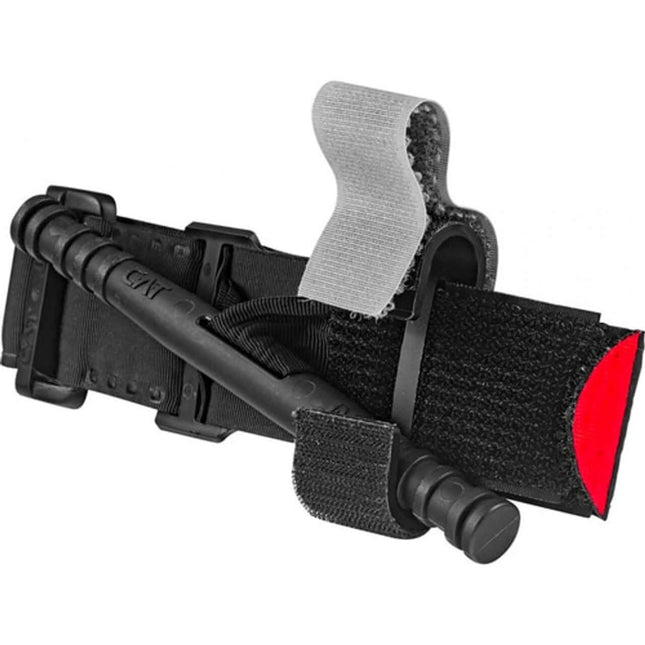
The CAT Gen 7 is the TCCC-approved standard and retails under $35. The SOF-T Wide is under $40. Both have documented near-zero failure rates when applied correctly and are designed for one-handed self-application. At that price point, the case for carrying an improvised substitute fails on efficacy, safety, and cost simultaneously.
What to carry instead: A commercial windlass tourniquet rated to ASTM F3143 — the CAT Gen 7 or SOF-T Wide. Carry two: severe injuries may require stacked application, and a multi-person group needs at minimum one per person. See Tourniquets 101 for placement and application technique, and Bleeding Control Basics for managing the wounds a tourniquet can't address.
9. Unmarked or Unlabeled Medications
Pills removed from original packaging — loose in a bag, stored in an unmarked weekly organizer, or transferred to an unlabeled vial — create identification problems under exactly the conditions where correct identification is most critical: stress, reduced fine motor control, time pressure, and low light.
The risks are concrete. Drug interactions are a leading cause of adverse medication events. Administering an NSAID to a patient on anticoagulants, or an antihistamine to someone with a contraindicated condition, can compound the original emergency. Without labeling, you also cannot report what you administered to incoming EMS — information that directly affects their treatment decisions from the moment they arrive.
What to do instead: Medications stay in original packaging or transfer to clearly labeled containers with drug name, dosage, instructions, and expiration date. Maintain a written medication list in the kit. Brief your group on kit contents and list location before any trip starts. That briefing takes two minutes and eliminates an entire category of potential error.
10. Overpacked, Disorganized Kits
There's a specific type of first aid kit that feels impressive and performs poorly: the 200-piece bulk kit that takes 45 seconds to locate the tourniquet in. Under stress, fine motor control degrades, targeted searching becomes difficult, and the contents of an overpacked bag transition from resource to obstacle.
Research published in Simulation in Healthcare has documented that task performance under simulated emergency conditions degrades significantly with increased cognitive load. Kit organization directly impacts response time. And in hemorrhage control, response time directly determines outcomes — the Hartford Consensus framework makes this explicit in identifying uncontrolled external hemorrhage as the most significant preventable cause of pre-hospital death.
Quantity is not readiness. A kit stuffed with low-quality duplicates, redundant items from different manufacturers, and non-essential supplies from a bulk purchase is not a better kit — it's a slower one.
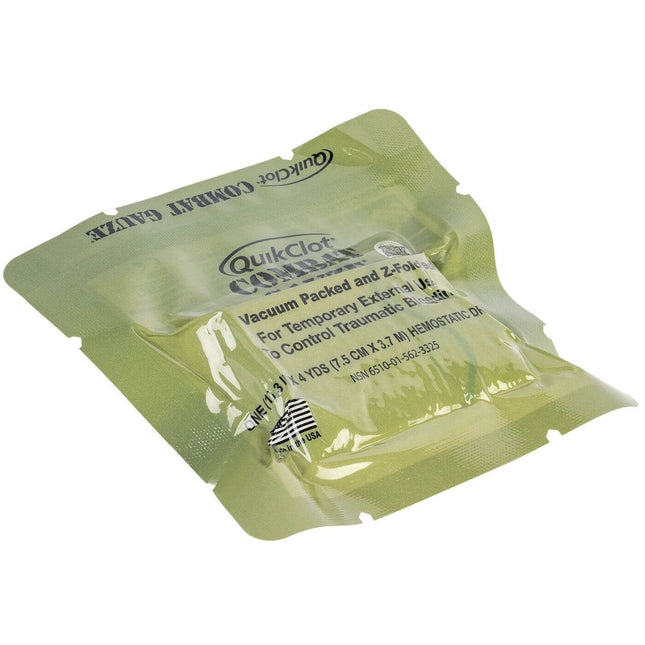
What to do instead: Build or select a purpose-designed kit organized by MARCH priority. Life-threat items (tourniquet, chest seals, hemostatic gauze) in the outermost or top layer. Wound care next. Medications and support items at the rear. For a pre-organized field option, the Rip-Away Tactical Trauma Kit is MOLLE-compatible and designed for fast access under stress. The Premium IFAK Trauma Kit with Tourniquet & Chest Seals covers the complete MARCH baseline in a single package. The Waterproof Medical Kit adds sealed construction for wet and field environments.
What your kit should actually contain
Clear out what doesn't work and replace it with this:
- Hemorrhage control: CAT Gen 7 tourniquet (×2 minimum), hemostatic gauze, pressure bandages — see how hemostatic gauze actually works
- Wound care: Sterile gauze pads (individually packaged), non-adherent pads, quality waterproof adhesive bandages, sterile saline, BZK antiseptic wipes
- Airway and thoracic: Vented chest seals (×2), nasopharyngeal airway
- Medications: Acetaminophen (not NSAIDs for trauma), antihistamines, personal prescriptions — all labeled, all current
- Tools: Trauma shears, nitrile gloves (×4 pairs minimum), permanent marker, conforming gauze or self-adhering wrap
- Reference: Laminated MARCH protocol card
Not sure whether you need a standard first aid kit, a trauma kit, or an IFAK? See the breakdown of all three and the IFAK Buyer's Guide before buying. If you're vehicle-based, the Car Trauma Kit guide covers vehicle-specific configuration. And if you've never taken a formal bleeding control course, Stop the Bleed certification is the two-hour baseline that makes any kit significantly more effective.
FAQ
Why is hydrogen peroxide bad for wounds?
Hydrogen peroxide damages fibroblasts — the cells that produce collagen and close wounds. Research published in PLOS One (2012) found that standard topical concentrations retard wound closure, reduce connective tissue formation, and sustain inflammation. Sterile saline irrigates more effectively without the cellular damage. The bubbling looks clinical; the chemistry isn't.
Are improvised tourniquets ever acceptable?
Only as an absolute last resort when a commercial device is genuinely unavailable. A 2020 systematic review concluded improvised tourniquets are not recommended for civilian immediate responders due to limited efficacy. The 25% combat success rate for improvised devices is the published benchmark — meaning three out of four failed. A CAT Gen 7 is under $35. That's the only cost argument that matters.
Why can't I use ibuprofen for a bleeding injury?
NSAIDs inhibit platelet aggregation, extending clotting time when you need clotting to proceed normally. Aspirin's effect lasts 7–10 days; ibuprofen resolves within 48 hours but is still active in the immediate window after ingestion. Use acetaminophen for trauma pain management. Label your kit so there's no ambiguity about which to reach for.
What's wrong with cotton balls in a first aid kit?
Cotton fibers shed and embed in wounds as foreign bodies, raising infection risk and slowing healing. Used under pressure, they adhere to wound surfaces and reopen the wound on removal. Sterile gauze pads are the direct substitution — purpose-designed for wound contact without fiber contamination.
How often should I audit my first aid kit?
Quarterly, as a recurring calendar event. Check expiration dates on all medications and sterile supplies, inspect packaging integrity, verify quantities against your group size, and replace anything used. A kit that hasn't been checked since the last use may be missing components at exactly the moment they're needed.
Do I need a trauma kit or a standard first aid kit?
Likely both. A standard kit handles everyday injuries — cuts, burns, sprains. A trauma kit addresses hemorrhage, penetrating chest wounds, and airway emergencies that a standard kit cannot. If you spend time in remote or high-risk environments, here's why you need both.
Bottom line
These items are common because they feel intuitive. Hydrogen peroxide bubbles. Cotton absorbs. A belt can be tightened. None of that is the same as clinical effectiveness under the conditions that count. Uncontrolled hemorrhage kills within minutes. An inadequate tourniquet provides false confidence while the clock runs. Hydrogen peroxide extends healing time in a wound you're counting on to close.
Audit your kit against this list. Pull what doesn't work. Replace it with what does. For a pre-built starting point that covers the full MARCH baseline without the deadweight, start with the Premium IFAK Trauma Kit with Tourniquet & Chest Seals.