Uncontrolled bleeding is the leading cause of preventable death after traumatic injury. A severe arterial bleed gives you three to five minutes before the outcome is decided — a window that closes whether EMS is six minutes away or thirty.
Most pre-packaged first aid kits can't touch that problem. They're built for regulatory compliance and shelf price, not for the injuries that actually kill people. This checklist builds a kit in layers, matched to real risk, from everyday cuts to life-threatening trauma.
Why Most First Aid Kits Fall Short
Big-box kits are loaded with band-aids, aspirin, and antiseptic wipes. Those items handle roughly 90% of minor incidents. They do nothing for the 10% that kills.
That's a pricing decision, not a medical one. Commercial kits are built to hit a shelf price, not to address the mechanism of injury that actually kills people: severe, uncontrolled hemorrhage. A tourniquet, hemostatic gauze, and a chest seal don't come standard in a $15 kit. They should be standard in yours.
A real checklist covers three layers — basic care for cuts, burns, and blisters; trauma care for severe bleeding and airway compromise; and use-case specifics for your environment. If your kit skips any layer, it's incomplete.
Layer 1: Basic Core
This is the foundation every kit needs, regardless of use case: adhesive bandages, sterile gauze pads, medical tape, antiseptic wipes, nitrile gloves, trauma shears, pain relievers, antihistamine, burn gel, an elastic wrap, an instant cold pack, and a CPR face shield. None of it is optional, and none of it is enough on its own.
Layer 2: Trauma Core
This is what turns a kit into something that can handle a life-threatening injury. Every person carrying it should know the MARCH framework, the CoTCCC-standard trauma sequence: Massive hemorrhage, Airway, Respiration, Circulation, Hypothermia. The components below cover the first three.

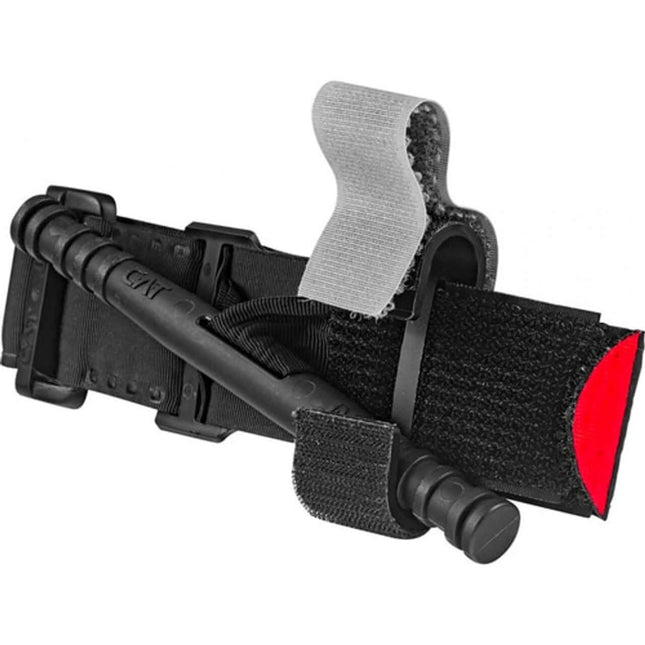
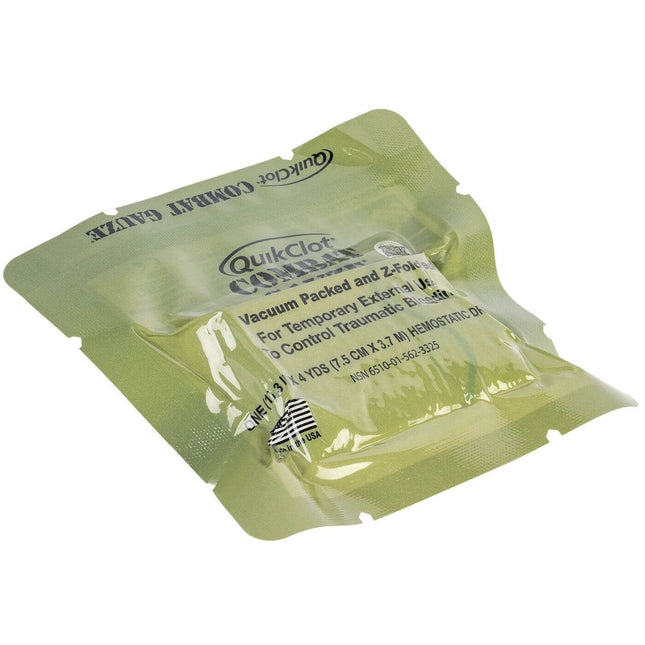
The CAT Gen 7 carries 4,000+ documented combat applications since 2005 with an 87%+ correct-application survival rate. Alongside the SOF Tourniquet (SOF-T), it's one of two field-proven windlass options — don't improvise this component. Pair it with QuikClot Combat Gauze, CoTCCC-recommended since April 2008, which clots five times faster than plain gauze with a three-minute compression hold. Round out the trauma layer with vented chest seals (two per penetrating wound — entry and exit), a pressure dressing for wound packing, a nasopharyngeal airway for unconscious patients, and compressed gauze for packing alongside hemostatics.
Counterfeit CAT and SOF-T tourniquets flood online marketplaces. A sub-standard windlass fails under load — exactly when you need it most. Buy from authorized distributors only. See what to verify before buying any IFAK or trauma kit.
Layer 3: Use-Case Add-Ons
Customize beyond the core based on where the kit will actually live.
| Environment | Priority Additions |
|---|---|
| Home | Thermometer, eye wash, SAM splint, EpiPen if prescribed, medical history cards — build for 4 people, 72 hours |
| Vehicle | Tourniquet within driver's reach, chest seals, pressure dressing, seatbelt cutter, emergency blanket |
| Range / Training | Two tourniquets (one on-body), hemostatic gauze, trauma shears — staged within 30 seconds of any position |
| Outdoor / Backcountry | Blister care, tick tool, water purification, SAM splint, wilderness medicine reference card |
| Travel | TSA-compliant basics, anti-diarrheal, prescriptions in original containers |
Motor vehicle crashes are among the leading causes of traumatic injury in the U.S. Stage a vehicle kit where it's reachable, not buried in the trunk — vehicle interiors reach 140°F+ on the dashboard in summer, degrading adhesives and shortening component life. ViTAC's Vehicle Trauma Response Kit is purpose-built for this: trauma components plus everyday wound care in one organized package.

In the backcountry, help may be 30 minutes out or more. ViTAC's Lightweight Campers First Aid Kit is configured for exactly that gap — compact enough to carry, stocked for the injuries trails actually produce. For daily carry, browse EDC kits and components; for whole-household coverage, see family and home kits; and for working dogs, the Working K9 & Pet First Aid Kit collection covers gauze, vet wrap, and saline irrigation built for animal trauma.
The gear doesn't save the life. The person using it does.ViTAC Field Standard
Maintenance and Training
The kit by itself does nothing. Check expiration dates twice a year. Hemostatic gauze and chest seals carry a five-year shelf life from manufacture date; adhesives and medications degrade faster. Train with the gear you actually carry. A tourniquet you've never applied under pressure is one you won't apply correctly when it counts. Stop the Bleed certification is free and takes about two hours. Stage kits where you'll need them, label components by layer, and restock the moment you use something.
FAQ
What's the difference between a first aid kit and a trauma kit?
A first aid kit handles minor injuries: cuts, burns, blisters, common ailments. A trauma kit is built for life-threatening injury: severe hemorrhage, airway compromise, penetrating trauma. Carry both, or carry one kit that covers both. For the clinical sequence behind trauma response priorities, see the MARCH trauma care framework.
What tourniquet belongs in a civilian first aid kit?
The CAT Gen 7 and the SOF-T are the two CoTCCC-recommended windlass tourniquets, with thousands of documented combat applications between them. Skip the improvised tourniquets, elastic bands, and off-brand copies. None of them hold up when arterial pressure is actually pushing back.
How often should I replace kit components?
Inspect twice yearly. Replace hemostatic gauze and chest seals at the five-year mark from manufacture date, not purchase date. Replace adhesives and medications annually or when packaging is compromised. Replace any component immediately after use — never carry a partial kit.
Do I need a different kit for my car versus my house?
Yes. A vehicle kit prioritizes trauma components staged for fast access after a crash. A home kit can be larger, built for a full household, and stocked for 72 hours of care without EMS support. One kit for every environment means compromises in both.
Bottom Line
A first aid kit built for real emergencies, not regulatory checkboxes, requires layers. Basic care handles the daily incidents. Trauma capability covers the 10% that kills. Use-case customization ensures the right gear for the right environment. All of it requires training to activate.
Start with a foundation already loaded for the trauma layer — shop the Emergency Medical Trauma Kits collection and build out from there.