
Faster Than Rescue: How Family Emergency Readiness Starts with Trauma Kits
2 min reading time
2 min reading time
In an emergency, seconds count. Picture this: a car crash occurs, and a family is trapped inside. Bystanders rush to help, dialing 911—but without the right tools, their aid is limited until professional rescue teams arrive. What if you were equipped to make a decisive difference before emergency services get there?
Preparedness is not a choice; it's a necessity. When it comes to bleeding control, generic first aid kits fall short. Trauma kits are the essential tool for civilian protectors ready to stop the bleed and save lives. For those who take emergency readiness seriously, this isn't about ticking a box; it's about meeting the highest standards of competence and responsibility.
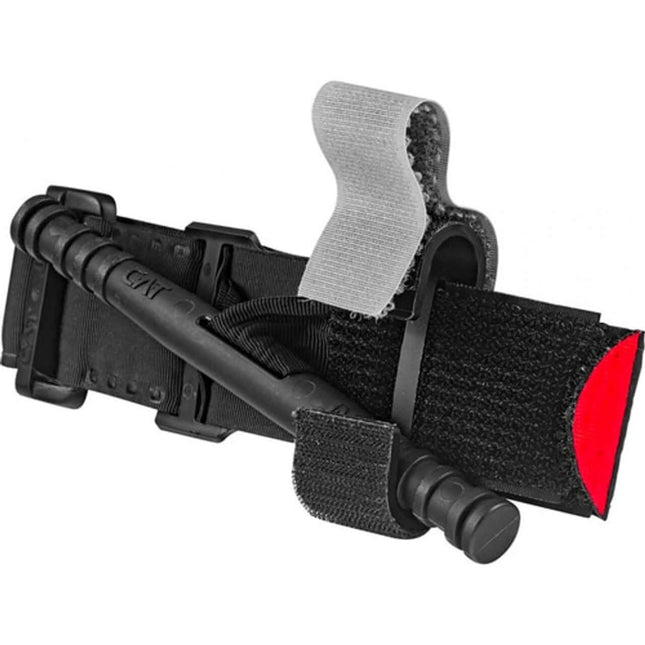
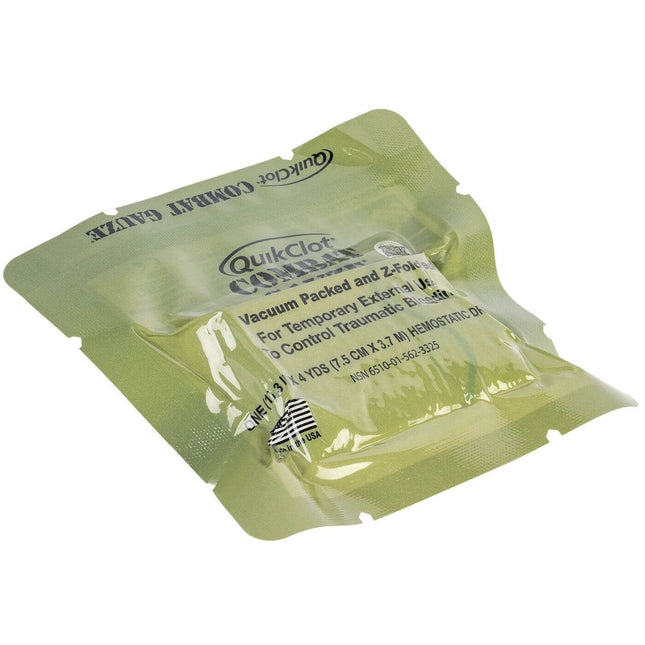
Not all kits are created equal. Ordinary first aid kits contain supplies for minor injuries, but trauma kits come loaded with life-saving components. A Windlass Tourniquet, QuikClot gauze, and an NAR Emergency Trauma Dressing (ETD) are the gold standard for serious bleeding control. They are designed to tackle severe arterial bleeds—the kind where delaying effective action is not an option.
Trauma kits require training. Owning a CAT tourniquet or QuickClot doesn't guarantee an effective response if you don't know how to use them. Regular practice and training sessions are non-negotiable for anyone who's serious about preparedness.
WARNING: Incorrect use of trauma equipment can result in further injury. Always seek professional training.
For guidance on identifying trustworthy products that meet TCCC standards, read Identify Fake Gear: Ensuring Your Trauma Kits Meet TCCC Standards.
As crucial as it is to have trauma kits at home, don't ignore the importance of having them in your vehicle. When you're on the road—especially during road trip season—a vehicle trauma kit is essential.
TRAINING REMINDER: Regularly rehearse scenarios where you may need to apply trauma prevention techniques in confined spaces like vehicle interiors.
For more on this, delve into our comprehensive article, Stay Ahead of the Emergency: Vehicle Trauma Kits During Road Trip Season.
Beyond home and vehicle spaces, consider the Everyday Carry (EDC) kits. Compact and discreet, they fit seamlessly into daily routines while the Enhanced IFAK provides pro-level readiness with tourniquet and chest seals.
In choosing between tactical first aid kits and everyday-carry options, assess your specific readiness goals—details covered thoroughly in our article on Tactical First Aid Kits vs. Everyday-Carry.
Trauma kits are indispensable tools for those committed to high-stakes emergency readiness. Each component, from the Windlass Tourniquet to the NAR ETD, requires an investment in both purchase and practice. Trust in your equipment and training is paramount—the time to prepare is now, not when an emergency strikes.
For more expert insights and gear options, visit ViTAC Solutions.

OSHA minimum workplace kits don't include a tourniquet. Here's how to calculate station count, stock each station, and build bleed control coverage in any public...

One kit at the main entrance fails the 90-second coverage rule for most buildings. Here's how to run a coverage audit and calculate the correct...

Arterial hemorrhage kills in 3 minutes. Urban EMS takes 7–10. Every business needs CoTCCC-standard bleed control kits — here's how to select, deploy, and train...

40+ states mandate bleed control kits in schools — but most deployment plans miss classrooms and buses. Here's the placement standard that actually works.

Most of our trauma kits and first aid supplies qualify for HSA and FSA reimbursement. Don't let your benefits expire — invest them in gear that could save a life.


$124.95


$279.99

$37.49 - $139.46


$299.95 $269.95


$139.95 - $169.95

$49.95


$25.99


$164.95

We've been downrange. We know what it costs to be unprepared. ViTAC was built by U.S. Army Special Operations veterans to make sure the people who run toward the threat — and the families who depend on them — have gear that works when everything is on the line.
— ViTAC Solutions Founders | 40+ years combined Special Operations experience