Budget Prepping: Build a Survival Plan Without Breaking the Bank
3 min reading time
3 min reading time
Prepping isn’t just a lifestyle—it’s a survival mindset. Whether you're bracing for hurricanes along the Gulf Coast, winter blackouts in the Midwest, or urban unrest, one truth remains: you don’t need a fortune to stay ready.
With smart planning and tactical budgeting, you can build a solid emergency kit that prioritizes reliability over luxury—without compromising safety.

Preparedness starts with understanding your environment. Use this three-tiered threat model to identify and prioritize your risks:
Home break-ins, car accidents, workplace injuries
Gear Focus: Tourniquets, trauma kits, flashlights, fire extinguishers
Power outages, supply chain failures, local flooding
Gear Focus: Power banks, canned goods, emergency water, radios
Grid collapse, civil unrest, major economic disruption
Gear Focus: Water catchment systems, long-term food storage, solar power
By tailoring your prepping to your local threats, you avoid wasting money on irrelevant gear and focus your funds on what matters most.
Being budget-conscious doesn’t mean being unprepared. Here’s how to stretch your dollars without compromising performance:
Buy in Bulk: First aid supplies, dry goods, and batteries cost less in volume.
Master DIY: Learn to can food, mend gear, or sew your own tarps and shelter liners.
Explore Surplus Stores: Military surplus often offers battle-tested gear for a fraction of the cost.
Skip the Fluff: Focus on field-proven basics like boots, shemaghs, paracord, and thermal blankets.
“It’s not about having the most gear. It’s about having the right gear—and knowing how to use it.”

Start small with monthly purchases. Allocate $20–50 toward key items like:
Emergency water pouches
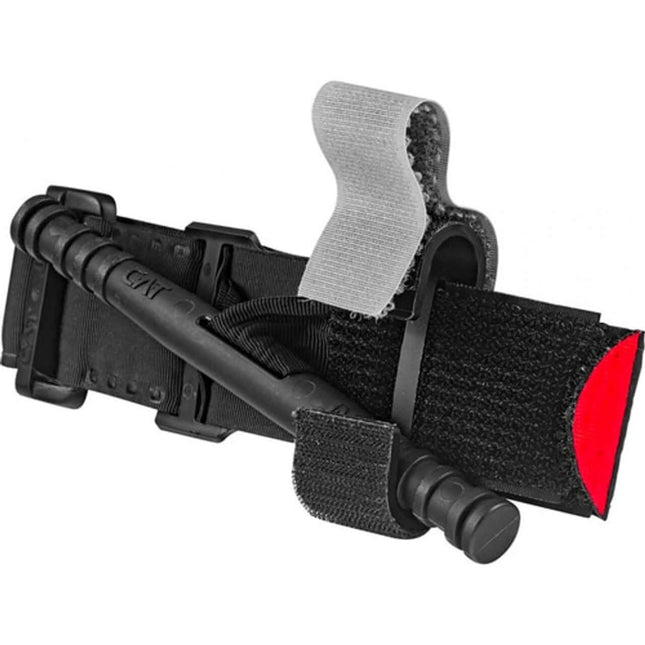
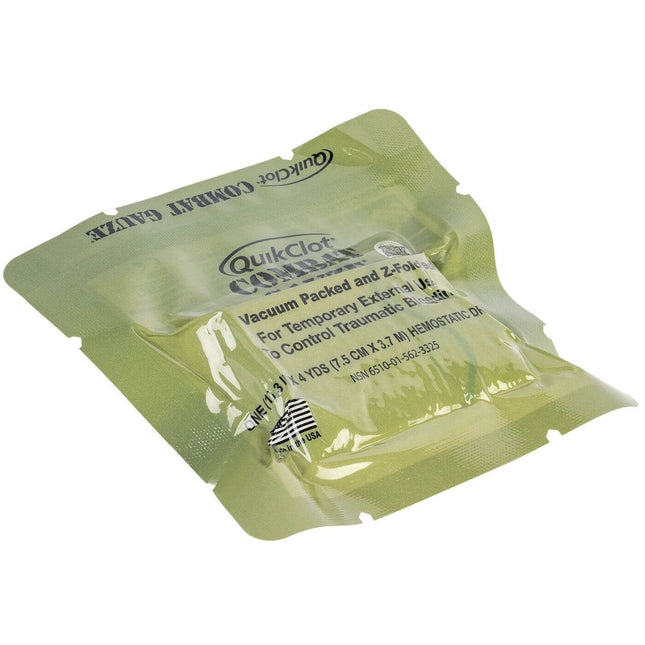
Bleeding control supplies (e.g., C-A-T® tourniquet, hemostatic gauze)
Space blankets, candles, or stormproof matches
Portable water filters (Sawyer Mini, LifeStraw, etc.)
As your skills grow and budget expands, upgrade to:
Gravity-fed filtration systems (Berkey, Katadyn)
Freeze-dried food kits (30–90 day options)
Solar generators or battery banks for off-grid capability
Prepping isn't paranoia. It's personal responsibility.
You don’t need to buy a $10,000 bunker to protect your family. What you need is a clear plan, the right mindset, and access to mission-proven gear. By integrating prepping into your monthly routine, you’re not just buying supplies—you’re investing in peace of mind.

At ViTAC Solutions, we believe that preparedness isn’t a luxury—it’s a promise. Whether you're building your first go-bag or refining a grid-down survival plan, we provide elite-grade trauma kits and emergency tools trusted by professionals and civilians alike.
Veteran-owned. Mission-built. Real-world ready.
📦 Explore our gear at ViTACsolutions.com

OSHA minimum workplace kits don't include a tourniquet. Here's how to calculate station count, stock each station, and build bleed control coverage in any public...

One kit at the main entrance fails the 90-second coverage rule for most buildings. Here's how to run a coverage audit and calculate the correct...

Arterial hemorrhage kills in 3 minutes. Urban EMS takes 7–10. Every business needs CoTCCC-standard bleed control kits — here's how to select, deploy, and train...

40+ states mandate bleed control kits in schools — but most deployment plans miss classrooms and buses. Here's the placement standard that actually works.

Most of our trauma kits and first aid supplies qualify for HSA and FSA reimbursement. Don't let your benefits expire — invest them in gear that could save a life.


$124.95


$279.99

$37.49 - $139.46


$299.95 $269.95


$139.95 - $169.95

$49.95


$25.99


$164.95

We've been downrange. We know what it costs to be unprepared. ViTAC was built by U.S. Army Special Operations veterans to make sure the people who run toward the threat — and the families who depend on them — have gear that works when everything is on the line.
— ViTAC Solutions Founders | 40+ years combined Special Operations experience