Trusted by Law Enforcement & Tactical Professionals

First Aid Training: Advanced Medical Skills Essential for Preparedness

  • 8 min reading time

Advanced first aid training equips individuals with essential medical skills. Learn about the importance of training for effective emergency response and preparedness.

Advanced first aid training enhances skills for emergency responders like EMTs, crucial for life-saving actions.

First Aid Training: The Critical Skill That Separates Prepared from Unprepared

First aid training at advanced levels is the critical difference between those who merely collect emergency gear and those who can actually save lives when disaster strikes. In the world of preparedness, tactical operations, and self-reliance, equipment is only half the equation—the other half is the skill, knowledge, and confidence to act decisively when every second counts. For preppers, first responders, tactical professionals, and anyone serious about protecting themselves and others, advanced first aid training isn't a luxury or optional enhancement—it's a mission-critical investment that can mean the difference between life and death.

When natural disasters overwhelm emergency services, when civil unrest prevents EMS response, when wilderness accidents occur miles from hospitals, or when mass casualty incidents create more victims than responders, your ability to provide effective medical care becomes the only thing standing between survival and tragedy. The most expensive trauma kit in the world is useless in the hands of someone who doesn't know how to use it.

This comprehensive guide explores why advanced first aid training matters, which certifications provide the most valuable skills, when and where this knowledge saves lives, and how to build medical competence that matches your preparedness mindset.

Why Advanced First Aid Training Matters

Understanding the critical importance of medical training reveals why it's non-negotiable for serious preparedness:

1. Elevated Capability in Critical Moments

Basic first aid covers fundamentals like bandaging minor cuts and treating small burns—important skills, but inadequate for serious emergencies:

Basic First Aid Limitations:

  • Focuses on minor injuries and stable patients
  • Assumes professional help arrives quickly
  • Doesn't address life-threatening trauma
  • Provides no training for austere environments
  • Lacks decision-making frameworks for complex scenarios

Advanced Training Capabilities:

  • Major trauma management (hemorrhage control, chest injuries, head trauma)
  • Airway obstruction and management
  • Shock recognition and treatment
  • Fracture stabilization and splinting
  • Medical assessment and triage
  • Extended care when evacuation is delayed

2. Tactical Self-Reliance

True preparedness means not being dependent on emergency medical services to save lives:

When EMS Isn't Coming:

  • Natural disasters overwhelming local resources
  • Civil unrest preventing emergency response
  • Remote wilderness locations hours from hospitals
  • Mass casualty incidents exceeding responder capacity
  • Infrastructure collapse disrupting emergency services

Self-Reliance Through Training:

  • Ability to provide definitive care without professional backup
  • Confidence to make life-saving decisions under pressure
  • Skills to improvise with limited resources
  • Knowledge to care for yourself and others until help arrives—or if it never does

3. Continuous Skill Development

Preparedness is a journey, not a destination:

Training Benefits:

  • Keeps skills sharp through regular practice
  • Updates knowledge with current best practices
  • Builds confidence through repetition
  • Identifies gaps in knowledge and equipment
  • Creates muscle memory for high-stress situations

Medical Standards Evolve:

  • Trauma care protocols change based on research
  • New techniques improve survival rates
  • Equipment advances require updated training
  • Staying current ensures optimal outcomes

Essential Advanced First Aid Certifications

Different training programs serve different needs and skill levels:

1. EMT (Emergency Medical Technician) Training

For those seeking comprehensive medical knowledge, EMT certification provides professional-level skills:

Training Duration: 120-150 hours over 3-6 months
Certification Level: Professional emergency medical provider
Best For: Serious preppers, community emergency response, career development

Core Skills Taught:

  • Comprehensive patient assessment (trauma and medical)
  • Airway management and oxygen administration
  • Cardiac emergencies and CPR/AED
  • Respiratory emergencies and ventilation
  • Diabetic and allergic emergencies
  • Bleeding control and shock management
  • Fracture stabilization and spinal immobilization
  • Childbirth and pediatric emergencies
  • Medical documentation and legal considerations

Advantages:

  • Most comprehensive civilian medical training
  • Recognized certification for volunteer emergency services
  • Strong foundation for further medical education
  • Systematic approach to patient care

Considerations:

  • Significant time and financial investment
  • Requires ongoing continuing education
  • Some skills require equipment not practical for field use

2. Wilderness First Aid (WFA) and Wilderness First Responder (WFR)

Perfect for preppers, outdoor enthusiasts, and rural residents, wilderness medicine focuses on improvisation and extended care:

Wilderness First Aid (WFA):
Duration: 16-24 hours (2-3 days)
Best For: Weekend adventurers, basic wilderness preparedness

Wilderness First Responder (WFR):
Duration: 70-80 hours (8-10 days)
Best For: Serious backcountry travelers, expedition leaders, remote living

Core Skills Taught:

  • Patient assessment in austere environments
  • Improvised splinting and immobilization
  • Wound cleaning and closure techniques
  • Burn treatment and management
  • Heat and cold emergencies (hypothermia, heat stroke)
  • Altitude sickness recognition and treatment
  • Snake bites and envenomation
  • Evacuation decision-making
  • Extended patient care (hours to days)
  • Improvisation with limited resources

Advantages:

  • Focuses on real-world improvisation
  • Teaches decision-making without immediate backup
  • Emphasizes extended care scenarios
  • Practical for remote and disaster situations

For wilderness-specific skills, see our guide on hiking first aid essentials.

3. Tactical Emergency Casualty Care (TECC)

Developed for military, law enforcement, and EMS operating in high-threat environments:

Training Duration: 16-24 hours
Best For: Law enforcement, security professionals, tactical preppers, active shooter response
Based On: Military Tactical Combat Casualty Care (TCCC) principles

Core Skills Taught:

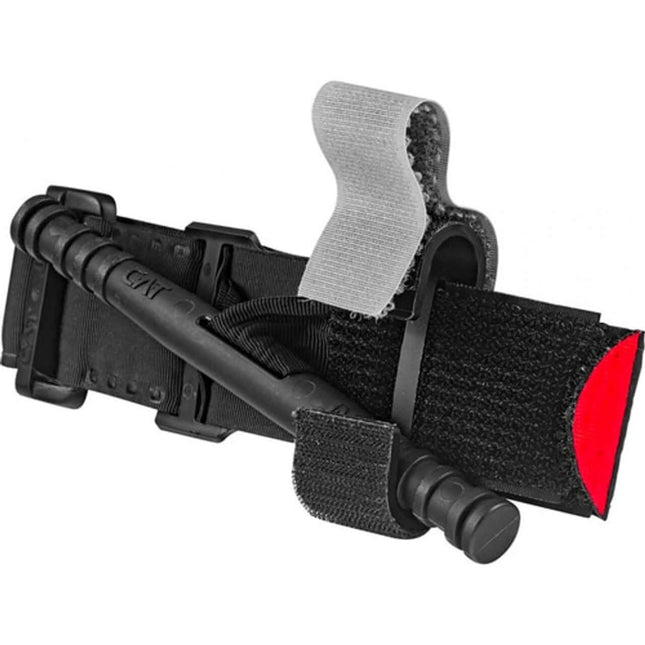
  • Tourniquet application and hemorrhage control
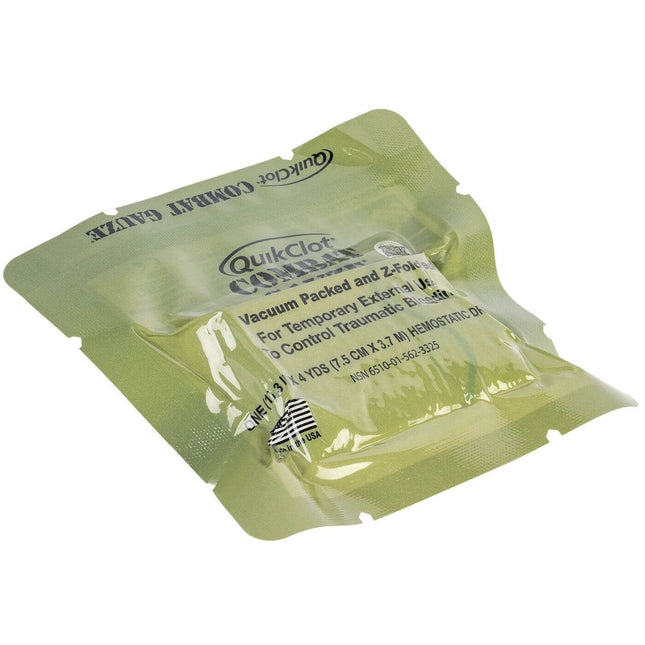
  • Wound packing for junctional hemorrhage
  • Airway management under fire
  • Chest seal application for penetrating trauma
  • Triage in mass casualty incidents
  • Casualty evacuation tactics
  • Care under fire vs. tactical field care
  • Preventable death recognition

Advantages:

  • Focuses on most common preventable deaths
  • Teaches care in hostile environments
  • Emphasizes rapid, life-saving interventions
  • Directly applicable to active shooter/civil unrest scenarios

4. Stop the Bleed®

Free community training in hemorrhage control:

Training Duration: 1-2 hours
Cost: Free
Best For: Everyone—minimum baseline skill

Core Skills:

  • Recognizing life-threatening bleeding
  • Direct pressure application
  • Tourniquet use
  • Wound packing basics

When and Where Advanced Training Saves Lives

Real-world scenarios where advanced skills make the difference:

Natural Disasters

Scenarios:

  • Earthquakes causing building collapse and crush injuries
  • Hurricanes creating mass casualties and infrastructure damage
  • Wildfires causing burns and smoke inhalation
  • Tornadoes producing traumatic injuries
  • Floods leading to drowning and hypothermia

Training Application:

  • Triage multiple casualties with limited resources
  • Treat trauma when hospitals are overwhelmed
  • Provide extended care during evacuation delays
  • Make evacuation vs. shelter-in-place decisions

Civil Unrest and Active Threats

Scenarios:

  • Active shooter incidents
  • Riots and civil disturbances
  • Terrorist attacks
  • Violent crime

Training Application:

  • Hemorrhage control for penetrating trauma
  • Care under fire principles
  • Rapid triage and evacuation
  • Self-aid and buddy care

Wilderness and Remote Expeditions

Scenarios:

  • Backcountry hunting accidents
  • Overlanding vehicle incidents
  • Camping injuries and illnesses
  • Remote work site accidents

Training Application:

  • Improvised splinting and immobilization
  • Extended patient monitoring
  • Evacuation planning and execution
  • Treatment with limited supplies

Everyday Emergencies

Scenarios:

  • Motor vehicle accidents
  • Workplace injuries
  • Home accidents
  • Medical emergencies (heart attack, stroke, choking)

Training Application:

  • Immediate life-saving interventions
  • Proper patient assessment
  • Effective communication with EMS
  • Preventing deterioration before help arrives

Skill Is Power: Training Beats Panic

The psychological advantage of training cannot be overstated:

Confidence Under Pressure

  • Training creates automatic responses that bypass panic
  • Muscle memory allows action despite stress
  • Knowledge reduces uncertainty and fear
  • Practice builds confidence in decision-making

Leadership in Crisis

  • Trained individuals naturally take charge
  • Calm, competent action reassures others
  • Effective triage and delegation saves more lives
  • Clear communication coordinates response

Building Competence, Not Just Confidence

Effective training requires more than attending a class:

Choose Quality Training

  • Seek instructors with real-world experience
  • Prioritize hands-on practice over lectures
  • Look for scenario-based training
  • Verify certification is nationally recognized

Practice Regularly

  • Skills degrade without practice
  • Conduct quarterly refresher drills
  • Practice with actual equipment from your kit
  • Simulate realistic scenarios and stress

Integrate with Equipment

  • Train with the gear you'll actually carry
  • Understand every item in your IFAK or trauma kit
  • Practice in conditions you'll face (darkness, weather, stress)
  • Identify equipment gaps through training

Continue Learning

  • Take refresher courses every 2-3 years
  • Advance to higher certification levels
  • Learn from after-action reviews
  • Stay current with evolving protocols

Preparedness Is More Than Stockpiling—It's Skill-Building

The most expensive trauma kit is worthless without knowledge:

  • Knowing how to properly apply a CAT tourniquet
  • Understanding when and how to use a chest seal
  • Mastering wound packing techniques
  • Recognizing signs of internal bleeding or shock
  • Making evacuation vs. treatment decisions

Whether you're a prepper securing your homestead, a law enforcement officer on duty, a tactical professional operating in high-risk environments, or a civilian who refuses to be helpless during crisis—advanced first aid training is your tactical advantage that no amount of gear can replace.

ViTAC Solutions: Gear Built for Trained Hands

At ViTAC Solutions, we believe readiness is more than gear—it's a mindset backed by skill. Our premium trauma kits and IFAKs are engineered for those who don't settle for less than mission-ready performance.

Curated by U.S. Army Green Berets with combat medical experience, our kits contain professional-grade supplies designed to be used by trained individuals who understand that equipment without skill is just expensive weight.

Wherever your preparedness journey takes you—whether backcountry wilderness, urban environments, or tactical operations—we equip you with the tools to act, survive, and protect.

Explore our first aid and trauma kits at www.ViTACsolutions.com.


ViTAC Solutions – Professional-grade emergency equipment built by veterans, trusted by those who understand that first aid training transforms preparedness from theory into life-saving action. Because when emergencies strike, panic fades where training takes over.

Tags


Not sure which kit is right for your mission?

What are you preparing for? On-duty response, family preparedness, outdoor adventure... Answer 5 quick questions and we'll match you with the right gear.

You May Also Like...

  • Concealed carry and personal protection preparedness

    If You Carry a Gun, Carry a Kit

    Uncontrolled bleeding is the leading cause of preventable trauma death. EMS averages 14 minutes nationally. A firearm stops the threat — only a trauma kit...

  • white printer paper on gray table

    Stay Ahead of the Emergency: Vehicle Trauma Kits During Road Trip Season

    In the blink of an eye, your peaceful road trip can morph into a crisis. Imagine you're an hour from the nearest town and a...

  • IFAK individual first aid kit trauma supplies

    5 Trauma Skills to Practice Before You Need Them

    Gear without reps is a liability. These 5 MARCH-based trauma skills are what you practice before the range accident, the car crash, or the remote...

  • TCCC gunshot wound kit components flat lay on dark surface

    Gunshot Wound Kit: 6 TCCC Components and How to Build Your Own

    Uncontrolled bleeding kills in 3–5 minutes. Here are the 6 TCCC-standard components every gunshot wound kit requires, what each one does, and how to build...

Group of soldiers in military gear with an American flag in a desert setting

Our Mission.

We've been downrange. We know what it costs to be unprepared. ViTAC was built by U.S. Army Special Operations veterans to make sure the people who run toward the threat — and the families who depend on them — have gear that works when everything is on the line.

— ViTAC Solutions Founders | 40+ years combined Special Operations experience

<h2>Your pre-tax dollars can fund your preparedness.</h2>

Your pre-tax dollars can fund your preparedness.

Most of our trauma kits and first aid supplies qualify for HSA and FSA reimbursement. Don't let your benefits expire — invest them in gear that could save a life.

Footer image

© 2026 ViTAC Solutions, Powered by Shopify

    • Amazon
    • American Express
    • Apple Pay
    • Diners Club
    • Discover
    • Google Pay
    • Mastercard
    • PayPal
    • Shop Pay
    • Visa

    Login

    Forgot your password?

    Don't have an account yet?
    Create account