Steri-strips fail for one of three reasons: the skin wasn't dry, the wound wasn't clean, or the strip was placed under too little tension to hold the edges together. None of those are complicated fixes. They just have to happen in order, every time.
This guide covers the sequence: clean, close, monitor, remove. It also covers where steri-strips stop being the right tool, because that call matters more than the application technique.
Clean and Prepare the Wound
Irrigate the wound with sterile saline or an antiseptic wipe before anything touches it. Skip alcohol and hydrogen peroxide. Both damage healthy tissue at the wound margin and slow the exact healing process you're trying to protect. Dry the surrounding skin completely. Steri-strip adhesive does not bond to moisture, and a strip applied over damp skin will lift within hours.
Clean, uncomplicated lacerations are traditionally closed within 6 to 8 hours of the injury to limit infection risk. Newer clinical review has moved past that hard cutoff; contamination, depth, and location matter more than the clock (NIH StatPearls). If the wound looks contaminated or the edges won't sit together cleanly, get it evaluated instead of forcing a strip.
Apply the Steri-Strips Correctly
Technique determines whether the closure holds:
- Confirm the skin is fully dry and free of oils or ointment before the strip touches it.
- Place the strip perpendicular to the wound line, not parallel to it.
- Pull the skin edges together gently as you lay the strip down, then press firmly along its full length to seat the adhesive.
- Add strips at even intervals along the wound. Don't overlap them. Overlapping strips trap moisture and weaken adhesion at the seam.

Monitor Healing and Replace as Necessary
Check the wound daily for redness spreading beyond the strip edges, swelling, warmth, or discharge. Any of those signs means the closure needs medical evaluation, not another strip. If a strip lifts or falls off before the wound has closed, replace it after re-cleaning the area. If the wound reopens or shows signs of infection, remove all strips and get it seen.

Remove Steri-Strips Without Reopening the Wound
Once the wound has closed and the skin has enough tensile strength to hold on its own, usually five to ten days depending on location, remove the strips by pulling parallel to the skin rather than lifting straight up. If adhesion is still strong, soak the area in warm water for a few minutes first. Never force a strip that resists. Reopening a partially healed wound to remove a strip faster defeats the entire point of using one.
A steri-strip only works if the skin underneath it stays dry, still, and clean. Skip one of those and you're just decorating the wound.ViTAC Field Standard
Steri-Strips Have Limits
Steri-strips close small, shallow, low-tension lacerations under about 5cm with straight, clean edges and minimal bleeding. That's the job they're built for.
They are not built for deep or gaping wounds that need internal closure, punctures, visibly infected tissue, or wounds over joints and other high-movement areas where the skin won't stay still long enough to heal. Those need sutures, staples, or direct medical evaluation. A steri-strip on a wound like that doesn't close it. It just covers up a problem that's still getting worse underneath.
FAQ
Can steri-strips replace stitches?
Only for wounds that meet the criteria above: shallow, clean, low-tension, under roughly 5cm. Anything deeper or under tension needs sutures or staples to hold correctly.
How long should steri-strips stay on?
Most hold for five to ten days depending on wound location and movement. Replace any strip that lifts before that window closes, and don't remove strips early just because the surface looks healed.
What if the wound is still bleeding when I get there?
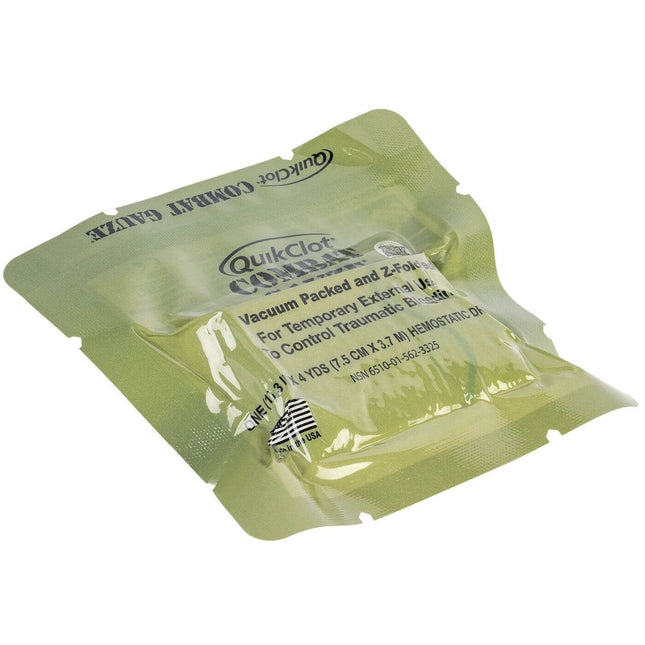
Control bleeding first. Steri-strips close wounds, they don't stop active bleeding. For anything beyond minor oozing, direct pressure and a hemostatic dressing come before any adhesive closure.
Bottom Line
Steri-strips solve a narrow, specific problem: closing small, clean, low-tension lacerations without a trip to urgent care. They fail when the skin isn't dry, the technique is rushed, or they're used on a wound that needed stitches in the first place. Know the limits and the technique, and they'll do exactly what they're designed to do.
Build a kit that covers wound closure and everything beyond it — shop Individual First Aid Kits (IFAKs).