What Goes in a Car First Aid Kit: The Component List
6 min reading time
6 min reading time
A car first aid kit needs to cover two distinct scenarios: the routine injuries that happen on every road trip — cuts, scrapes, blisters, burns, insect reactions — and the serious trauma that can occur in any vehicle accident. Most commercial car kits address the first category adequately. The second requires deliberate additions. This guide covers both, organized by category, so you can audit an existing kit or build one from scratch.
The foundation of any kit. Stock the following as minimums:
Adhesive bandages in assorted sizes — fingertip, knuckle, standard strip, and larger rectangular formats. Sterile gauze pads in 2×2 and 4×4 inch sizes, individually wrapped. Medical adhesive tape, both cloth and paper, to secure gauze over wound surfaces. Butterfly closures (Steri-Strips) for wound edge approximation on small lacerations that would otherwise require a stitch. Sterile absorbent pads for heavier bleeds or larger wound areas.
Antibiotic ointment prevents infection in minor wounds and keeps the wound bed moist for better healing. A small tube is sufficient. Burn gel or aloe vera provides relief for minor heat burns and sun exposure. Hydrocortisone cream (1%) addresses contact dermatitis, insect bite reactions, and other inflammatory skin responses. Insect bite relief pads or cream reduce swelling and itch from bites that occur during roadside stops, trail access points, or off-road routes.
Fine-tipped tweezers for splinter and debris removal. Sterilize with an antiseptic wipe before use. Trauma shears are the correct tool for cutting clothing to access a wound — not standard scissors. Their blunt tip prevents accidental skin puncture during high-stress application. Standard medical scissors serve for cutting gauze and tape. A sterile needle, still sealed in its package, enables superficial embedded object removal when the object is accessible without probing.
Over-the-counter medications became HSA/FSA-eligible without prescription under 2020 rule changes. Keep the following in the kit with expiration dates clearly visible:
Ibuprofen or acetaminophen for pain and fever. Antihistamine (diphenhydramine or cetirizine) for allergic reactions and insect responses. Anti-diarrheal medication for digestive emergencies on long routes. Motion sickness medication if any regular passengers are susceptible. Antacid for acid reflux or indigestion during extended drives.
If any household member carries an epinephrine auto-injector for anaphylaxis, keep a current, unexpired unit in the vehicle at all times. Naloxone (Narcan) is available over the counter in most states and appropriate for drivers who may encounter an opioid emergency in the field.
Field Note: Vehicle Heat Degrades Before It Expires
Vehicle interiors can reach 130°F+ in direct sun. Heat degrades medications, adhesives, and antiseptic solutions. Store the kit under a seat or in the main cabin compartment — not the trunk or on the rear deck. Check storage-temperature guidelines on medication packaging before placement.
Nitrile gloves — minimum two pairs — create a pathogen barrier during wound care. Non-latex provides equivalent protection without allergy risk. Size matters: gloves that are too loose compromise dexterity. Antiseptic wipes, individually wrapped, for wound surface cleaning and hand hygiene when running water is unavailable. BZK (benzalkonium chloride) wipes are appropriate for both intact and broken skin; alcohol wipes are better suited to intact skin and instrument sterilization. Hand sanitizer (60%+ alcohol) in a separate small bottle for quick hand decontamination before wound management.
Elastic compression bandages in 2-inch and 4-inch widths for sprain and strain compression, and as secondary wraps over dressings. Triangular bandages for arm slings and improvised limb support. SAM splint — moldable and applicable to fingers through lower leg — for fracture immobilization. Instant cold packs for acute injury pain and swelling management. Emergency thermal blanket for hypothermia prevention in any patient showing signs of shock or cold exposure.
The components above handle everyday roadside injuries. These additions extend the kit's capability to life-threatening scenarios, which have a higher probability in vehicle accidents than in most other settings:
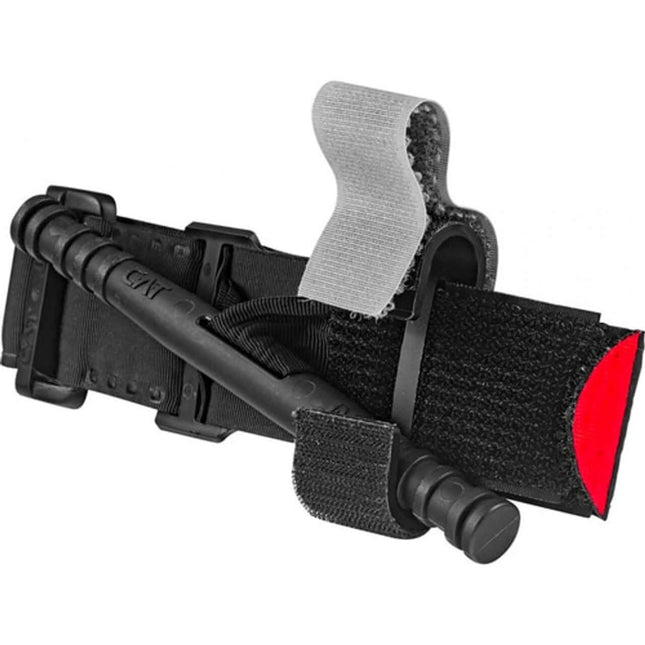
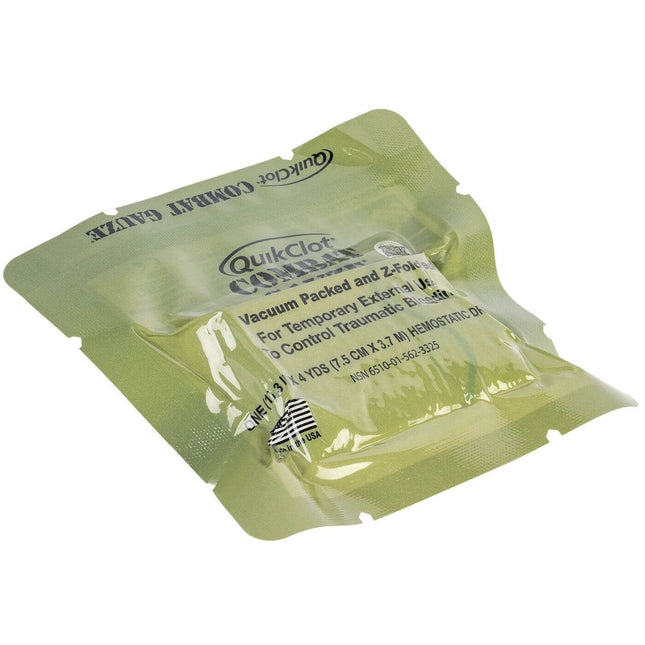
Combat Application Tourniquet (CAT Gen 7) for severe extremity hemorrhage. Hemostatic gauze for junctional wounds. Vented chest seal (HyFin twin pack) for penetrating chest trauma. Pressure bandage for wound closure and compression. Nasopharyngeal airway for unconscious airway management. CPR mask with one-way valve.
Field Note: Training Is Not Optional
Trauma components require training to use correctly. STOP THE BLEED certification covers tourniquet application and wound packing in under two hours. Find a course at stopthebleed.org. Equipment without trained operators underperforms.
Digital thermometer, easy to clean between uses, for fever assessment during illness or post-trauma temperature monitoring. Sterile eyewash solution — single-use vials preferred — for chemical or particulate eye contamination. A printed first aid reference card or booklet for decision support under stress. An illustrated guide with diagrams is more useful than text-heavy instructions when your hands are occupied.
Inspect the kit twice a year. Replace expired items before the next inspection interval. Key expiration windows: medications (check per packaging), antiseptic wipes (1–2 years), sterile dressings and hemostatic gauze (3–5 years), adhesive bandages (3–5 years). Restock immediately after any use. A partially depleted kit in an emergency creates problems during the response — not after it.
The Vehicle First Aid Kit ($24.95) covers the everyday wound care, topical, and tool categories in a compact soft-sided case. For drivers who need full trauma capability alongside the basics, browse the vehicle-ready kit collection for options that integrate hemorrhage control and airway management into a single vehicle-specific loadout.
Severe extremity bleeding from a vehicle accident can cause death in minutes. A tourniquet is the most effective single intervention for limb hemorrhage and cannot be improvised reliably with materials in a standard car kit.
Inspect twice a year. Replace medications, antiseptic wipes, and adhesive bandages on their printed expiration dates. Replace hemostatic gauze and sterile dressings every 3–5 years. Replace any item used in the field immediately.
Under the seat or in the main cabin — accessible from the driver's position without exiting the vehicle. Avoid the trunk. Vehicle trunks may be inaccessible after an accident, and temperatures in trunk and rear deck locations regularly exceed safe storage limits for medications and sterile supplies.
No. All items listed are available over the counter. Tourniquets, hemostatic gauze, and chest seals are FDA-cleared medical devices sold without a prescription. OTC medications including pain relievers and antihistamines are similarly unrestricted.
A complete car first aid kit addresses everyday injuries and serious trauma with equal coverage. Most commercial kits cover the basics adequately; the trauma-capable additions require a deliberate decision to include them. Build or audit your kit against the categories above, inspect it twice a year, and replace every expired or used item before it's needed. Start with the Vehicle First Aid Kit as your foundation.

OSHA minimum workplace kits don't include a tourniquet. Here's how to calculate station count, stock each station, and build bleed control coverage in any public...

One kit at the main entrance fails the 90-second coverage rule for most buildings. Here's how to run a coverage audit and calculate the correct...

Arterial hemorrhage kills in 3 minutes. Urban EMS takes 7–10. Every business needs CoTCCC-standard bleed control kits — here's how to select, deploy, and train...

40+ states mandate bleed control kits in schools — but most deployment plans miss classrooms and buses. Here's the placement standard that actually works.

Most of our trauma kits and first aid supplies qualify for HSA and FSA reimbursement. Don't let your benefits expire — invest them in gear that could save a life.


$124.95


$279.99

$37.49 - $139.46


$299.95 $269.95


$139.95 - $169.95

$49.95


$25.99


$164.95

We've been downrange. We know what it costs to be unprepared. ViTAC was built by U.S. Army Special Operations veterans to make sure the people who run toward the threat — and the families who depend on them — have gear that works when everything is on the line.
— ViTAC Solutions Founders | 40+ years combined Special Operations experience