Stocking a Truck First Aid Kit for Work, Travel, and Remote Driving
12 min reading time
12 min reading time
Truck drivers, tradespeople, and remote-route travelers share a common exposure: they are frequently the farthest from immediate medical help at the moment they need it most. A truck first aid kit is not a formality — it is staged medical capability for the gap between an injury and an ambulance. This guide covers what to carry, how to configure it by mission, and how to keep it functional.
Wound care supplies form the foundation of any vehicle kit. They address the high-frequency, lower-severity injuries that occur on the road: lacerations from glass or metal, abrasions from falls, and minor burns. Stock a range of adhesive bandage sizes, sterile 4x4 gauze pads, rolled gauze, medical tape (hypoallergenic and cloth), antiseptic wipes, antibiotic ointment packets, and triangular bandages for improvised slings and dressing support.
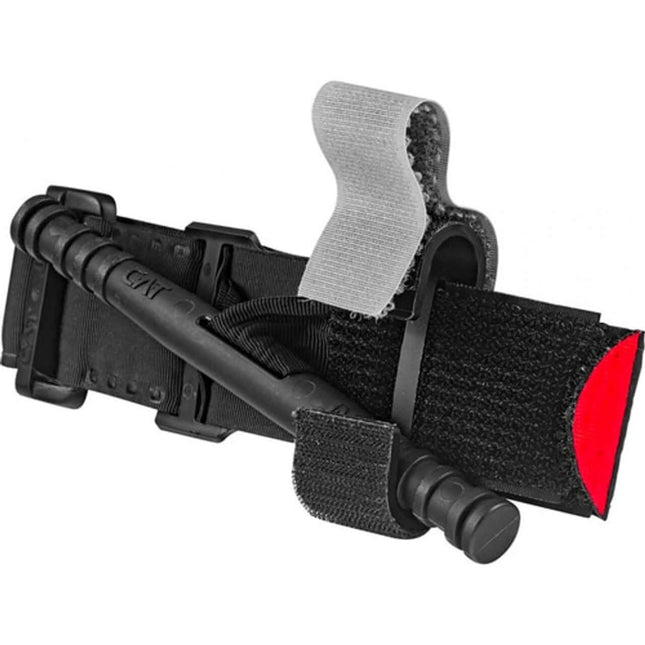
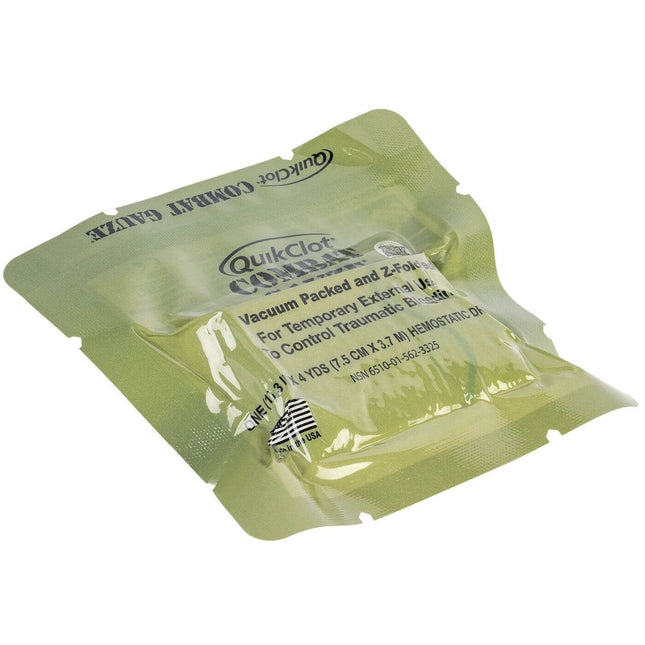
For life-threatening emergencies — arterial hemorrhage, penetrating wounds, chest trauma — standard wound care supplies are insufficient. Trauma-capable supplies must be present and accessible separately from general first aid items. Include a windlass tourniquet for limb hemorrhage, hemostatic gauze for wound packing, vented chest seals for penetrating thoracic injuries, and a pressure bandage for sustained wound compression. An emergency blanket addresses hypothermia, which accelerates coagulopathy and worsens outcomes in hemorrhagic patients.
Field Note: Stage for Access, Not Storage
Trauma supplies bridge the gap between an incident and professional medical care. Their purpose is stabilization, not definitive treatment. Stage them where they can be reached in under 30 seconds — not buried at the bottom of the bag.
Over-the-counter medications address the non-injury conditions that affect drivers on the road. Carry ibuprofen or acetaminophen for pain and inflammation, antihistamines for allergic reactions, antacids for gastrointestinal distress, and sting relief wipes for insect contact. Store all medications in original, sealed, labeled packaging. Check expiration dates at each quarterly inspection.
| Medication Type | Primary Use | Quantity Guidance |
|---|---|---|
| Pain Relievers | Headache, muscle aches, inflammation | 20–30 doses |
| Antihistamines | Allergic reactions | 10–15 doses |
| Antacids | Indigestion, acid reflux | 10–15 doses |
| Sting Relief | Insect bites and stings | 2–4 wipes or packets |
Off-road and remote travel increase both injury risk and response time. Rough terrain raises the probability of rollover incidents, falls, and tool-related injuries. Cell coverage gaps mean EMS response times are extended significantly. Configure the kit accordingly: waterproof, dust-resistant containers protect supplies from trail conditions. Expand trauma supplies beyond the basic minimum — carry additional hemostatic gauze, splinting materials, and a second tourniquet. A satellite communicator or personal locator beacon provides emergency signaling when cell coverage is absent.
Field Note: Remote Operations — Kit Is Primary Care
In backcountry operations, the nearest trauma center may be hours away. The kit is no longer supplemental — it is primary care for the duration of the response window. Stock and train accordingly.
Commercial operators must meet regulatory requirements that vary by industry and jurisdiction. Federal and state mandates often specify minimum kit contents and inspection intervals. Fleet managers are responsible for standardizing kit contents across all vehicles, ensuring consistent capability regardless of which unit responds to an incident. Implement a documented audit schedule — quarterly at minimum — with records of expiration dates, restocking dates, and inspection findings. Driver training should include kit location and basic use of all included items.
A kit built to general standards is a starting point. Drivers with specific medical conditions, known allergy profiles, or mission-specific risk factors should adjust contents accordingly. A driver with a prescribed epinephrine auto-injector carries it in the kit. A driver operating in snake-endemic terrain carries supplies appropriate to that risk. The kit should reflect actual exposure — not a generic template.
Vehicle interiors reach 130–160°F in summer sun and drop well below freezing in winter. These temperature swings degrade medications ahead of their labeled expiration dates and compromise sterile packaging integrity. Adhesive on bandages softens and fails. Medications lose potency. Inspect kits more frequently if the vehicle is parked outdoors in extreme conditions. Relocate temperature-sensitive items to a controlled environment during extended parking, or replace them seasonally.
Any item used from the kit must be replaced before the next deployment. A depleted kit is a liability. Keep a checklist inside the kit. Log items used, date of use, and replacement date. Restock immediately after any incident — not at the next convenient opportunity. This discipline is the difference between a kit that is ready and one that appears ready.
Conduct a full inventory inspection twice annually — spring and fall. Pull every item, check expiration dates on medications and sterile components, and inspect packaging for tears or compression damage. Reassess kit configuration based on any changes in driving patterns, terrain, or mission profile. The ViTAC Vehicle First Aid Kit provides a solid foundation for vehicle readiness, and the General Purpose First Aid Kit Pro scales up for extended operations or higher-risk profiles.
Field Note: Maintenance Is a Mission Requirement
Kit maintenance is not optional preparedness — it is the condition that makes the kit usable. An expired tourniquet or degraded hemostatic gauze does not perform. Treat the inspection schedule as a mission requirement.
For a component-level breakdown of what belongs in a vehicle trauma kit and how to stage it for rapid access, see Vehicle Trauma Kit: Components, Placement, and Access.
Basic certification from a recognized program establishes the foundational skills every driver should have. Priority training areas include CPR and AED use, bleeding control (direct pressure, wound packing, tourniquet application), wound care technique, and recognition of stroke, cardiac, and shock presentations. Most certification programs require renewal every two years to maintain currency with updated protocols.
Drivers operating in remote or backcountry conditions face scenarios that exceed the scope of basic first aid certification. Wilderness First Aid (WFA) and Wilderness First Responder (WFR) courses cover prolonged patient management, environmental emergencies (hypothermia, heat injury, altitude sickness), improvised stabilization and splinting, and evacuation planning when professional help is hours away. For commercial drivers regularly operating in remote corridors, this level of training converts the kit from a box of supplies into a functional capability.
Mechanical breakdowns do not require medical response, but they do require readiness. Jumper cables or a portable jump starter address the most common roadside failure. A tire plug kit and compact air compressor extend your ability to continue after a flat. A multi-tool covers minor fastener and equipment fixes. Work gloves and duct tape round out the improvised repair capability most drivers will use before they ever open the first aid kit.
A charged phone is the first call for help. A portable power bank ensures it stays charged. A reliable flashlight with spare batteries handles low-visibility work at night or in weather. Reflective triangles or road flares provide visibility to other drivers during a roadside stop. A battery-powered weather radio provides emergency alerts when cellular data is unavailable.
If you exit the vehicle on a busy road, you need to be visible. A high-visibility vest is a low-cost item with high practical value. Safety glasses protect against debris during roadside repairs. A compact fire extinguisher is appropriate for any vehicle carrying fuel or flammable cargo. For trauma-capable vehicle preparedness, the Rip-Away Tactical Trauma Kit stages critical hemorrhage control supplies in a form factor designed for rapid access in a vehicle environment.
Field Note: Non-Medical Readiness Is Part of the Kit
Non-medical emergency items reduce the duration and severity of a breakdown situation. A flat tire resolved with an onboard plug kit is not a stranding event. Keep these items maintained on the same schedule as medical supplies.
Truck drivers and tradespeople operate in environments where injuries are common and EMS response is often delayed. A dedicated kit provides immediate care capability for both routine injuries and life-threatening emergencies at the point of need.
Core items include assorted adhesive bandages, sterile gauze pads, medical tape, antiseptic wipes, and antibiotic ointment for wound care, plus a tourniquet, hemostatic gauze, pressure dressing, and chest seals for trauma response.
Store supplies in a sealed, hard-sided container when possible. Inspect medications and sterile packaging quarterly — extreme heat accelerates degradation ahead of labeled expiration dates. Replace items that show packaging compromise or potency loss.
Off-road drivers should expand trauma supplies (second tourniquet, additional hemostatic gauze, splinting materials), use waterproof and dust-resistant containers, and carry a satellite communicator or personal locator beacon for out-of-range emergency signaling.
Inspect twice annually at minimum — spring and fall. Restock any item immediately after use. Log inspection dates, items replaced, and expiration dates of new supplies.
Jumper cables or a jump starter, a tire plug kit and air compressor, a multi-tool, duct tape, work gloves, a flashlight with spare batteries, a portable power bank, reflective triangles, and a high-visibility vest address the most common non-medical roadside emergencies.
A truck first aid kit built to the right standard covers the full injury spectrum: routine wound care for everyday incidents and trauma-capable supplies for the emergencies that kill before EMS arrives. Configure the kit to your specific mission — standard road use, off-road, or commercial fleet. Inspect quarterly, restock after every use, and complete certified hemorrhage control training.
The ViTAC Vehicle First Aid Kit covers wound care and everyday roadside needs. The Rip-Away Tactical Trauma Kit stages trauma capability for rapid access. Inspect both on the same schedule.

OSHA minimum workplace kits don't include a tourniquet. Here's how to calculate station count, stock each station, and build bleed control coverage in any public...

One kit at the main entrance fails the 90-second coverage rule for most buildings. Here's how to run a coverage audit and calculate the correct...

Arterial hemorrhage kills in 3 minutes. Urban EMS takes 7–10. Every business needs CoTCCC-standard bleed control kits — here's how to select, deploy, and train...

40+ states mandate bleed control kits in schools — but most deployment plans miss classrooms and buses. Here's the placement standard that actually works.

Most of our trauma kits and first aid supplies qualify for HSA and FSA reimbursement. Don't let your benefits expire — invest them in gear that could save a life.


$124.95


$279.99

$37.49 - $139.46


$299.95 $269.95


$139.95 - $169.95

$49.95


$25.99


$164.95

We've been downrange. We know what it costs to be unprepared. ViTAC was built by U.S. Army Special Operations veterans to make sure the people who run toward the threat — and the families who depend on them — have gear that works when everything is on the line.
— ViTAC Solutions Founders | 40+ years combined Special Operations experience