How Many Tourniquets Do You Need? Vehicle, Range Bag, Family Kit
6 min reading time
6 min reading time
In military doctrine, the standard is two tourniquets per individual — one staged for immediate access, one as redundancy. That principle exists because limbs have two arteries, some large-limb injuries require stacked applications, and a first tourniquet can fail or be contaminated. The same logic applies to civilian and professional carry. Quantity is not about hoarding; it is about having enough to handle the actual failure modes of a hemorrhage event.
Carry at minimum one CoTCCC-approved tourniquet staged for access in two seconds or less. If you carry one, it covers a single limb bleed on yourself or one casualty. If you carry two — one on your person, one in your bag — you cover a two-limb injury on yourself, or one casualty plus one additional. The “two equals one” redundancy principle from military logistics applies: a single critical item with no backup is a single point of failure.
Two tourniquets minimum per vehicle. Vehicle accidents produce multi-casualty scenarios — driver and passenger can both sustain life-threatening limb injuries simultaneously. Stage one in an immediately accessible location (glove compartment, door pocket, visor mount) and one in the vehicle trauma bag. Both should be commercial windlass devices: the CAT Gen 7 or SOF-T Wide.
Two minimum. Range incidents typically involve one shooter, but a negligent discharge in a bay can involve multiple people. Two tourniquets plus hemostatic gauze covers a two-casualty scenario at the basic level. If you are a range officer or instructor responsible for others, scale accordingly.
One tourniquet staged in each high-risk area: kitchen, garage, workshop. These are the locations where arterial-level lacerations from tools, saws, and knives are most likely. A tourniquet on a shelf in the master bedroom does not help a kitchen laceration. Stage the device at or near the risk location.
Two minimum, particularly in remote environments where evacuation time is measured in hours. One for self-application, one for a partner or second injury. Both should be staged for quick access — top of the pack or belt-mounted pouch — not buried under gear.
Standard carry is two on the individual, with additional units in a vehicle or unit kit. CoTCCC guidance calls for tourniquet application as the first MARCH priority, and professionals in tactical environments can encounter multiple simultaneous casualties. Two-per-person carry covers self-treatment and one additional casualty at minimum.
Stop the Bleed kits installed in classrooms and hallways address mass-casualty scenarios. Individual staff trained on tourniquet application should have access to at least one staged device in their room or on their person. Centralized kits reduce response time only if staff know where they are and have trained on the contents.
Professional vehicles carry 6 to 10 tourniquets plus a full complement of junctional wound supplies, hemostatic gauze, and pressure dressings, sized for multi-casualty incidents. The takeaway for civilian kit builders: the types of items carried by professionals reflect the range of injuries a single trauma event can produce. A tourniquet alone is not a trauma kit.
Location determines whether a tourniquet is a resource or a decoration. Key principles:
If you have to think about where your tourniquet is in an emergency, it is not staged correctly.
Tourniquets degrade from UV exposure, heat cycling, and mechanical stress. There is no printed expiration date, but a functional inspection schedule is necessary:
A dedicated training tourniquet — identical to your carry device but clearly marked — allows practice reps without degrading your deployment kit.
Incorrectly applied or excessively prolonged tourniquet use can cause nerve and tissue injury. A correctly applied tourniquet in an arterial bleed scenario prevents death. The risk calculus is not balanced — apply, document the time, and transfer to EMS for conversion.
Yes. Tourniquets are not regulated items. Civilian carry and use are legal in all U.S. jurisdictions and strongly supported by the Stop the Bleed campaign and Hartford Consensus recommendations.
Minimum two per vehicle, one in each high-risk home location (kitchen, garage), and one in any outdoor or travel kit. A family of four on a road trip should have at minimum two in the vehicle — enough to cover two simultaneous casualties.
At the risk location, staged for two-second access. Vehicle: glove compartment or door pocket. Home: kitchen drawer or workshop wall-mount. Outdoors: belt-mounted pouch or top of pack. The best location is the one you can reach before the situation deteriorates further.
A CoTCCC-approved, commercially manufactured windlass tourniquet. The CAT Gen 7 and SOF-T Wide are the two current standard options. Do not purchase from third-party online marketplaces with no accountability to the medical device supply chain.
Yes. Stop the Bleed courses take one session and teach correct placement, windlass tightening to arterial occlusion standard, and documentation. Practice one-handed self-application on your actual device until it is automatic. The device only performs as well as the person applying it.
One tourniquet covers one limb on one person. Most real hemorrhage scenarios benefit from having more. Stage a CAT Gen 7 where you can reach it in two seconds — in your vehicle, your pack, your kit, and at high-risk locations in your home. Add a second as redundancy. Inspect every six months. Train until application is automatic.

OSHA minimum workplace kits don't include a tourniquet. Here's how to calculate station count, stock each station, and build bleed control coverage in any public...

One kit at the main entrance fails the 90-second coverage rule for most buildings. Here's how to run a coverage audit and calculate the correct...

Arterial hemorrhage kills in 3 minutes. Urban EMS takes 7–10. Every business needs CoTCCC-standard bleed control kits — here's how to select, deploy, and train...

40+ states mandate bleed control kits in schools — but most deployment plans miss classrooms and buses. Here's the placement standard that actually works.

Most of our trauma kits and first aid supplies qualify for HSA and FSA reimbursement. Don't let your benefits expire — invest them in gear that could save a life.


$124.95


$279.99
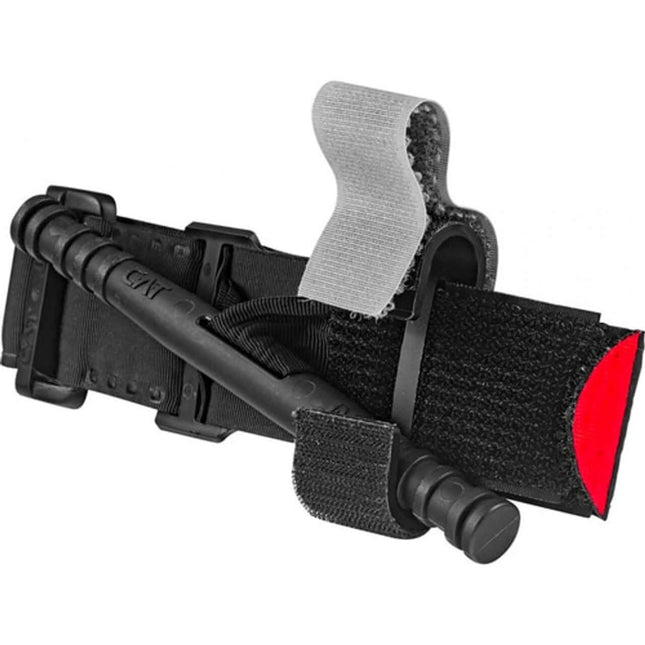

$37.49 - $139.46


$299.95 $269.95


$139.95 - $169.95

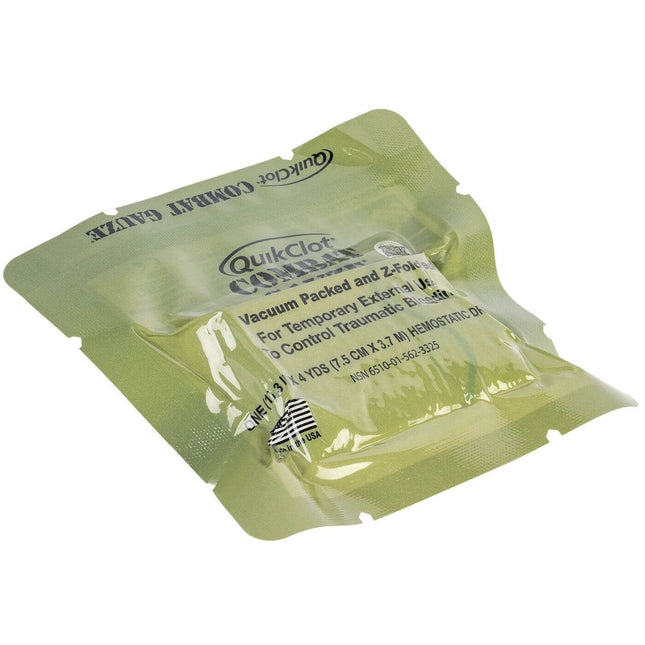
$49.95


$25.99


$164.95

We've been downrange. We know what it costs to be unprepared. ViTAC was built by U.S. Army Special Operations veterans to make sure the people who run toward the threat — and the families who depend on them — have gear that works when everything is on the line.
— ViTAC Solutions Founders | 40+ years combined Special Operations experience