First Aid Kit vs. IFAK: Why You Probably Need Both
6 min reading time
6 min reading time
Most households have a first aid kit. Most of them will not perform when it counts. A standard first aid kit handles minor injuries — cuts, burns, blisters, headaches. It does not stop a severed femoral artery. That is what an IFAK is for, and they are not interchangeable.
The difference is not about quality. It is about mission. A first aid kit is a general-purpose medical supply kit. An IFAK is a trauma intervention kit. One is for the everyday; the other is for the three-to-five-minute window between a catastrophic bleed and death. Carrying only one means you have gaps that will matter on the worst day of your life.
The IFAK originated in military medicine to address the leading causes of preventable death on the battlefield: massive hemorrhage, airway compromise, and tension pneumothorax. Every component traces back to one of those three threats. Nothing else earns real estate in the pouch.
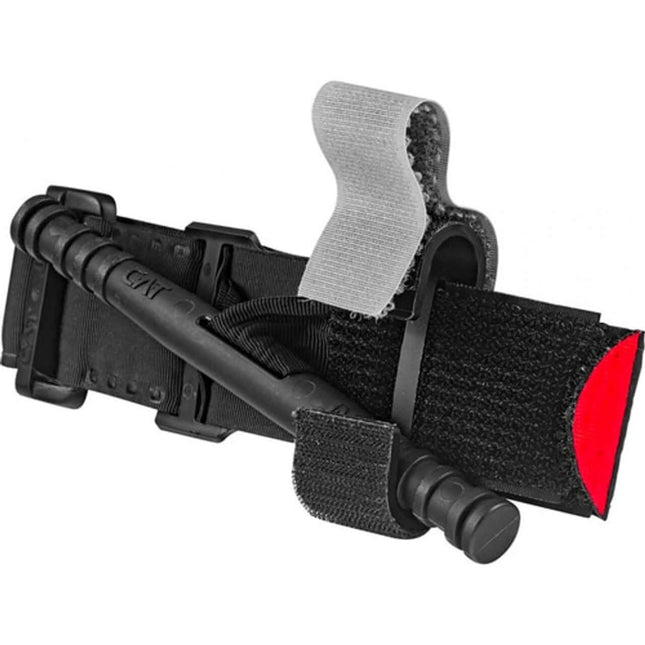
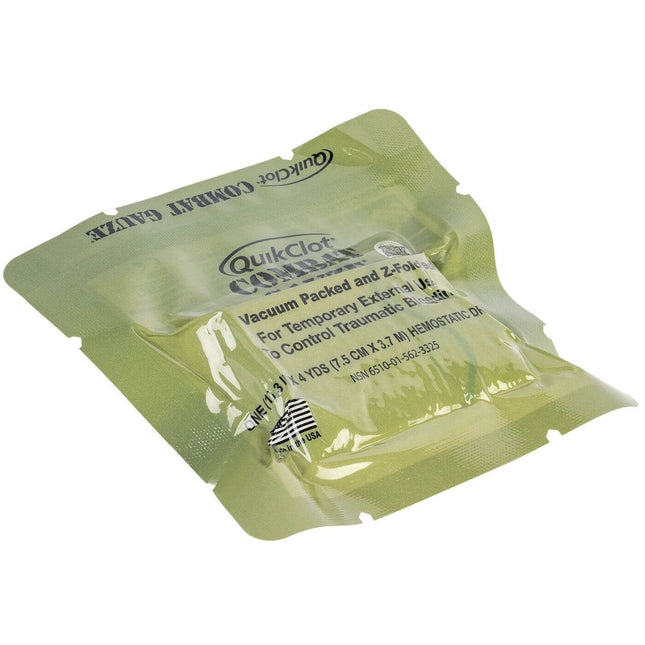
A TCCC-compliant IFAK contains: a CAT Gen 7 tourniquet or SOFTT-W, QuikClot hemostatic gauze, a pressure dressing, paired vented chest seals, a nasopharyngeal airway, trauma shears, and nitrile gloves. The kit is compact, accessible one-handed, and designed for deployment under stress. The Rip-Away Tactical Trauma Kit and Recon IFAK – Pro are pre-built to this standard.
A standard first aid kit — built to ANSI/ISEA Z308.1 or Red Cross guidelines — addresses the medical needs that come up in daily life: minor lacerations, abrasions, minor burns, sprains, headaches, and allergic reactions. Typical contents include adhesive bandages, sterile gauze, antiseptic wipes, antibiotic ointment, pain relievers, and tweezers. It is broader in scope, slower to deploy, and not designed for trauma.
| Feature | Traditional First Aid Kit | IFAK |
|---|---|---|
| Primary mission | Minor injuries and common ailments | Life-threatening trauma intervention |
| Time window | Hours — not minutes | 3 to 5 minutes from arterial bleed to death |
| Key contents | Bandages, antiseptic, gauze, pain relievers | Tourniquet, hemostatic gauze, chest seals, NPA |
| Governing standard | ANSI/ISEA Z308.1 | TCCC / CoTCCC |
| Deployment | Cabinet or bag — grab and open | On-person or within 5 seconds — one-handed access |
| Training required | Intuitive | Stop the Bleed minimum; TCCC preferred |
The IFAK's focus is also its limitation. It is not designed for:
If you have young children in your household, you need a traditional first aid kit stocked with pediatric-appropriate supplies alongside the IFAK. The two kits are not in competition — they fill different gaps in the same preparedness stack.
Field Note: Gear Without Training Is Theater
A tourniquet applied too loosely does not stop arterial bleeding. Hemostatic gauze packed without proper technique does not achieve clotting. Both kits require training to use effectively. Stop the Bleed certification is two hours and covers the critical skills for trauma intervention. Take the class before you need the kit.
The two kits belong in different locations based on access needs:
The Enhanced IFAK – Pro is the right build if you need expanded trauma capability without adding a separate kit — it bridges the gap for users who want more than the minimum TCCC loadout.
Design mission. A first aid kit is a general-purpose kit for common, non-life-threatening injuries. An IFAK is a trauma intervention kit for massive hemorrhage, airway compromise, and penetrating chest wounds. The contents, the training required, and the time window for deployment are all different.
Because it is sized for one person's interventions and carried on that person's body. It is not a shared resource — it is personal gear intended for immediate self-aid or buddy-aid in the first minutes of a trauma event.
No. A standard first aid kit does not contain a tourniquet, hemostatic gauze, or chest seals. For arterial bleeding or penetrating chest trauma, the contents of a typical first aid kit are inadequate. These are not redundant kits — they cover fundamentally different injuries.
Yes, if they operate in any environment where trauma risk is elevated: remote terrain, vehicle travel, the range, job sites with heavy machinery, or households with serious preparedness intent. Uncontrolled bleeding is the leading cause of preventable death from traumatic injury. The gear and training to address it belong in every household.
Both kits belong in your preparedness stack. They are not redundant — they address different injuries with different tools on different timelines. A first aid kit covers the everyday. An IFAK covers the worst three minutes of your life.
Start with the Recon IFAK – Pro for your trauma baseline, or browse the full IFAK collection to find the format that fits your carry method.

OSHA minimum workplace kits don't include a tourniquet. Here's how to calculate station count, stock each station, and build bleed control coverage in any public...

One kit at the main entrance fails the 90-second coverage rule for most buildings. Here's how to run a coverage audit and calculate the correct...

Arterial hemorrhage kills in 3 minutes. Urban EMS takes 7–10. Every business needs CoTCCC-standard bleed control kits — here's how to select, deploy, and train...

40+ states mandate bleed control kits in schools — but most deployment plans miss classrooms and buses. Here's the placement standard that actually works.

Most of our trauma kits and first aid supplies qualify for HSA and FSA reimbursement. Don't let your benefits expire — invest them in gear that could save a life.


$124.95


$279.99

$37.49 - $139.46


$299.95 $269.95


$139.95 - $169.95

$49.95


$25.99


$164.95

We've been downrange. We know what it costs to be unprepared. ViTAC was built by U.S. Army Special Operations veterans to make sure the people who run toward the threat — and the families who depend on them — have gear that works when everything is on the line.
— ViTAC Solutions Founders | 40+ years combined Special Operations experience