Are Bleeding Control Kits HSA Eligible? Yes — Here's Why
7 min reading time
7 min reading time
IRS Publication 502 defines a qualified medical expense as any cost paid for the diagnosis, cure, mitigation, treatment, or prevention of disease or injury. Bleeding control kits — and the components inside them — meet that standard directly. This article covers exactly what qualifies, what doesn't, and how to document your purchase for reimbursement.
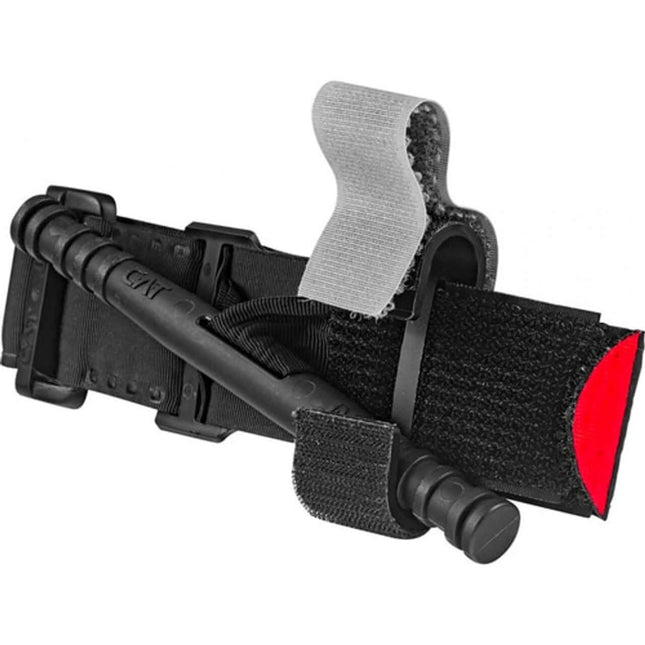
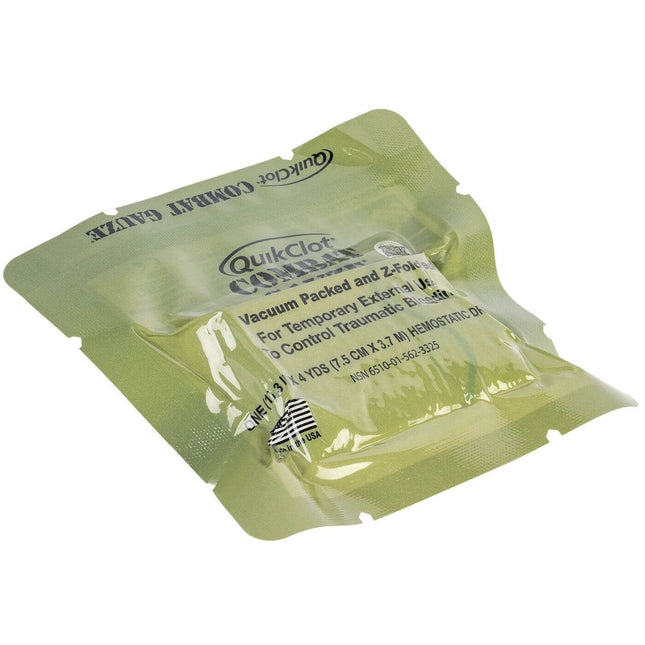
The IRS applies a primary purpose test: if an item's primary function is to treat or prevent a medical condition, it qualifies. Tourniquets, hemostatic gauze, chest seals, and pressure dressings all pass that test. Their sole purpose is managing acute injury. There is no ambiguity in how they are categorized.
Most bleeding control components are over-the-counter medical supplies. No physician's prescription or Letter of Medical Necessity is required to purchase a tourniquet, hemostatic gauze, chest seal, or pressure dressing with HSA or FSA funds. The IRS does not require one. Your plan administrator may have its own documentation requirements, but the IRS standard is straightforward.
The distinction that matters: does the item have a primary medical function, or is it a general-purpose item that could be used in a medical context? A tourniquet has no function other than hemorrhage control — it qualifies. A tactical pouch that carries the tourniquet is a container with general utility — it typically does not qualify. Buy purpose-built first aid kits with clear contents manifests and request itemized receipts that list each component separately.
| Item | Eligible | Reason |
|---|---|---|
| Tourniquet (CAT, SOFTT-W) | Yes | Treats uncontrolled extremity hemorrhage |
| Hemostatic Gauze | Yes | FDA-cleared wound packing agent |
| Chest Seal (vented) | Yes | Treats penetrating chest trauma |
| Pressure Dressings | Yes | Wound care — bleeding control |
| Trauma Shears | Yes | Used to expose wounds for treatment |
| Nitrile Gloves (medical) | Yes | Infection control during treatment |
| Sterile Gauze Pads / Rolls | Yes | Wound packing and dressing |
| Antiseptic Wipes | Yes | Infection prevention — wound care |
| Tactical Pouches / MOLLE Bags | No | General-purpose container, not medical |
| General Emergency Supplies (flashlights, knives) | No | No primary medical function |
| Non-medical Training Courses | Check your plan | Varies by administrator |
Field Note: Stop the Bleed Training
Stop the Bleed courses may qualify under some plans as medical training directly tied to treatment of injury. Contact your plan administrator before registering. The supplies you purchase for practice are almost always eligible regardless of whether the course itself is covered.
Most HSA administrators issue a debit card that processes eligible purchases directly at checkout. For clearly medical items — a tourniquet, hemostatic gauze — the transaction typically clears without issue. If a card is declined on a less common item, pay out-of-pocket and submit for reimbursement with your itemized receipt.
An itemized receipt lists each product by name with its price and purchase date. A summary receipt showing only a total dollar amount is not sufficient. If a vendor doesn't provide an itemized receipt automatically, request one before you leave or submit your order. For pre-assembled kits, request the contents manifest from the vendor — this documents the medical nature of each component and simplifies any administrator review.
The IRS can audit HSA expenditures for up to three years. Keep the following for every bleeding control kit purchase: the itemized receipt with product names, prices, and date; a copy of the product description showing its medical purpose; and your proof of payment. Digital copies stored in a cloud folder organized by tax year are sufficient.
HSA administrators generally accept personal-use quantities without question — one kit for home, one for your vehicle, one for a backpack. Purchasing in quantities that suggest resale or distribution may prompt additional documentation requests. For each kit, verify that components are from established manufacturers with FDA clearance on relevant items. Counterfeit tourniquets are a documented problem in the market. Stick to name-brand components from vendors with verifiable supply chains.
The Intermediate Premium Bleeding Control Pack ($139.95) includes a CAT tourniquet, hemostatic gauze, chest seal, NPA, and pressure dressings — all FDA-cleared components that meet the IRS medical expense standard. It ships with a contents manifest that identifies each item by product name and medical function.
The Intermediate Bleeding Control Pack covers the same trauma capability at a lower price point. Both are catalogued as HSA/FSA eligible.
Browse the full HSA/FSA-eligible kits collection for options across kit levels and price points.
Bleeding control kits qualify for HSA and FSA purchase because their components serve a direct medical function under the IRS definition. Document purchases with itemized receipts, keep product descriptions on file, and buy from vendors who provide clear contents manifests. The gear you need is available with pre-tax dollars — there's no reason to pay out of pocket. Start with the Intermediate Premium Bleeding Control Pack.
Yes. A complete kit qualifies when all components have a primary medical function — tourniquets, hemostatic gauze, chest seals, pressure dressings, gloves, and gauze all pass the IRS standard. The carrying pouch, if it has general utility beyond medical use, may not qualify and should be separated on the receipt if possible.
No. Bleeding control components are over-the-counter medical supplies. The IRS does not require a prescription or LOMN for these items. Keep an itemized receipt documenting the medical nature of each component.
Both account types follow the same IRS eligibility rules for medical expenses. The operational difference: HSA funds roll over year to year; FSA funds typically must be spent before the plan year ends or are forfeited. Both can be used to purchase bleeding control kits under the same rules.

OSHA minimum workplace kits don't include a tourniquet. Here's how to calculate station count, stock each station, and build bleed control coverage in any public...

One kit at the main entrance fails the 90-second coverage rule for most buildings. Here's how to run a coverage audit and calculate the correct...

Arterial hemorrhage kills in 3 minutes. Urban EMS takes 7–10. Every business needs CoTCCC-standard bleed control kits — here's how to select, deploy, and train...

40+ states mandate bleed control kits in schools — but most deployment plans miss classrooms and buses. Here's the placement standard that actually works.

Most of our trauma kits and first aid supplies qualify for HSA and FSA reimbursement. Don't let your benefits expire — invest them in gear that could save a life.


$124.95


$279.99

$37.49 - $139.46


$299.95 $269.95


$139.95 - $169.95

$49.95


$25.99


$164.95

We've been downrange. We know what it costs to be unprepared. ViTAC was built by U.S. Army Special Operations veterans to make sure the people who run toward the threat — and the families who depend on them — have gear that works when everything is on the line.
— ViTAC Solutions Founders | 40+ years combined Special Operations experience