Trusted by Law Enforcement & Tactical Professionals

Backpacking & Hiking First Aid: Lightweight vs. Compact

  • 5 min reading time

The lightest kit isn't always the right kit for backcountry. Learn the real tradeoffs between lightweight and compact hiking first aid kits.

Two hikers preparing first aid gear while backpacking & hiking in a wooded area at dusk.

Should you chase the lightest possible kit—or the most compact kit—for backpacking & hiking? The right answer balances weight, volume, and capability so you can act fast when minutes matter.

Quick jump: See the Advanced Adventurer First Aid Kit (balanced trauma + organization).

Prefer a smaller footprint? Check the Adventurer First Aid Kit.

Free download (bottom of page): First Aid Kit Checklist (PDF)—perfect for trip packing and post-trip restock.

First, define your terms (so you don't buy the wrong thing)

  • Lightweight first aid kit (backpacking focus): Prioritizes grams saved. Often trims "low-frequency" items and reduces quantities.
  • Compact first aid kit (hiking/EDC focus): Prioritizes volume saved. Tighter pouch organization, smaller form factor that disappears in a daypack or belt.
  • Capability: What the kit lets you actually do under stress—e.g., control bleeding, clean/protect wounds, stabilize a sprain, manage blisters, support basic airway/CPR.

Bottom line: A great backpacking first aid kit should be light and capable. A great hiking first aid kit should be compact and fast to access.

Weight vs. Capability: where to draw the line

You can safely reduce bulk on comfort items, but don't cut the tools that buy time in the field:

Keep (don't skimp):

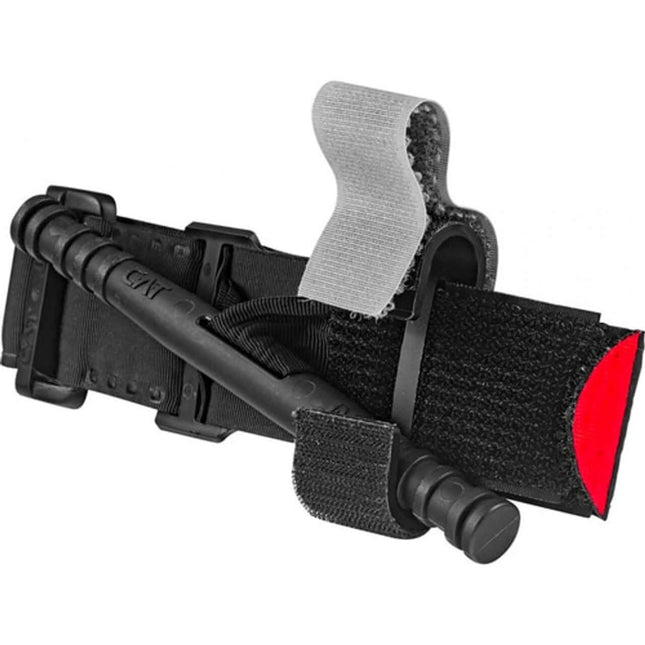
  • Tourniquet + pressure dressing (trauma readiness)
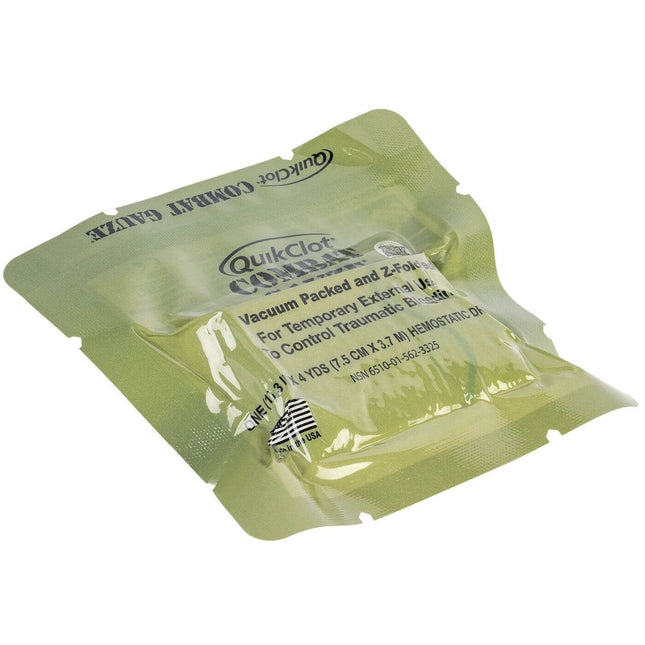
  • Rolled or hemostatic gauze; medical tape; nitrile gloves
  • Irrigation (saline pods or syringe), antiseptic, non-adherent pads
  • Blister kit (moleskin or hydrocolloids), elastic wrap, compact splint
  • CPR face shield, small light, tweezers, mini marker (time-stamp TQ)
  • Core meds (pain reliever, antihistamine, anti-diarrheal), ORS/electrolytes, personal Rx

Trim or right-size:

  • Redundant sizes of bandages (carry a few versatile sizes instead of many)
  • Excess duplicates of rarely used meds (pack a 24–48 hr supply)
  • Heavy packaging—decant into labeled mini-pouches or vials

Compact vs. Organized: why layout beats stuffing

Lightweight vs Compact First Aid Kit Comparison

A "compact" kit crammed in a sack is slower than a slightly larger kit with fast organization. In the critical "Golden Hour," seconds count.

Look for:

  • Labeled compartments: Bleeding, Wounds, Sprains, Meds, Tools
  • Top-layer triage: tourniquet, pressure dressing, gloves, and shears visible on open
  • Water-resistant pouch with high-contrast interior (easier to see at dusk)
  • Refill-friendly layout (you'll maintain it more often, so it stays ready)

The Advanced Adventurer First Aid Kit is built around this principle—compact enough for backcountry travel, but organized for speed when you need a hiking first aid kit that performs.

Decision guide: Which build is right for your route?

Solo day hike (close to help) → Compact minimal build

  • Bleeding control (TQ + pressure dressing), wound cleaning, few dressings, blister kit
  • Small meds kit, gloves, tape, tweezers, CPR face shield
  • Choose a compact first aid kit with fast-access layout

Weekend backpacking (2–4 people) → Balanced lightweight build

  • Same as above + extra gauze/tape, elastic wrap, compact splint
  • Extra gloves and ORS; add eye wash if dusty/cold/windy conditions
  • Consider the Adventurer First Aid Kit as a base and add your group meds

Remote backcountry / alpine (distance to help, technical terrain) → Lightweight but capability-forward

  • Upgrade trauma (hemostatic gauze where legal), more gauze/tape, second pressure dressing
  • Extra blister prevention, spare headlamp batteries, thermal blanket
  • Here the Advanced Adventurer First Aid Kit shines thanks to layout + capacity

Vehicle-supported (overland/basecamp) → Capability-first, weight less critical

  • Larger dressings, extra irrigation, duplicate gloves and meds
  • Keep a compact kit on-body for away-from-vehicle side hikes

Smart ways to cut weight without cutting capability

  • Decant smart: Replace retail boxes with labeled zip pouches; keep original labels for meds inside your kit.
  • Dual-use items: Triangular bandage doubles as sling or pressure wrap; elastic wrap for compression or securing splints.
  • Quantity math: Most trips don't need five sizes of bandages; carry a few versatile sizes + tape.
  • Training > ounces: The fastest "ultralight" gain is skill—practice tourniquet application and pressure dressing with gloves.

Hiker Accessing Organized First Aid Kit on Trail

What matters most on trail (ranked by impact)

  1. Immediate access to bleed control (TQ, pressure dressing, gloves)
  2. Irrigation + clean dressings (prevent infection, protect wounds)
  3. Stabilization (elastic wrap, compact splint)
  4. Blister prevention/treatment (trip-saving for hikers)
  5. Hydration & core meds (ORS, pain reliever, antihistamine)
  6. Waterproofing & durability (a soaked kit is a useless kit)

If a kit is lightweight but fails on #1–#3, it's the wrong kit.

Example loadouts (copy/paste to your checklist)

Ultralight day hike (solo):

  • TQ, pressure dressing, gloves
  • Irrigation ampules, antiseptic wipes, 2× non-adherent pads, a few adhesive bandages
  • Blister kit, small tape roll, tweezers, mini marker, CPR face shield
  • Pain reliever, antihistamine, ORS packet, personal Rx

Weekend backpacking (2–4 people):

  • Above + hemostatic or extra gauze (as allowed), elastic wrap, compact splint
  • Eye wash, extra blister care, 2–4× gloves, added ORS, backup light

Remote/alpine multi-day:

  • Above + second pressure dressing, extra gauze/tape, thermal blanket
  • Consider second TQ if group size >3 or terrain is technical

Kit recommendations (fast, honest guidance)

Adventurer First Aid Kit → When you want small, efficient, and capable for day hikes or minimalist overnights.

Advanced Adventurer First Aid Kit → When you need organized, trauma-forward capacity for remote backpacking, alpine days, or guiding small groups.

Both are refill-friendly; start with the base that matches your style, then add environment-specific items from your checklist.

Grab the free Editable First Aid Kit Checklist (PDF)

Use our printable/editable checklist to pack faster, reduce duplicates, and restock immediately after trips. Drop it into the lid pocket of your kit and mark off what you used at camp. See below.

Next steps:

Tags


Not sure which kit is right for your mission?

What are you preparing for? On-duty response, family preparedness, outdoor adventure... Answer 5 quick questions and we'll match you with the right gear.

You May Also Like...

  • ViTAC's Guide to Proper Layering for Cold Weather: two hikers navigating a snowy cliff.

    ViTAC's Guide to Proper Layering for Cold Weather

    Cold environments demand deliberate gear decisions. This guide covers the three-layer system — base, mid, and shell — from a preparedness standpoint: how each layer...

  • orange white and black bag

    Identify Fake Gear: Ensuring Your Trauma Kits Meet TCCC Standards

    Imagine you're at a roadside accident. A severe bleeding injury demands immediate action. You reach for your first aid kit, hoping it's up to the...

  • Concealed carry and personal protection preparedness

    If You Carry a Gun, Carry a Kit

    Uncontrolled bleeding is the leading cause of preventable trauma death. EMS averages 14 minutes nationally. A firearm stops the threat — only a trauma kit...

  • white printer paper on gray table

    Stay Ahead of the Emergency: Vehicle Trauma Kits During Road Trip Season

    In the blink of an eye, your peaceful road trip can morph into a crisis. Imagine you're an hour from the nearest town and a...

Group of soldiers in military gear with an American flag in a desert setting

Our Mission.

We've been downrange. We know what it costs to be unprepared. ViTAC was built by U.S. Army Special Operations veterans to make sure the people who run toward the threat — and the families who depend on them — have gear that works when everything is on the line.

— ViTAC Solutions Founders | 40+ years combined Special Operations experience

<h2>Your pre-tax dollars can fund your preparedness.</h2>

Your pre-tax dollars can fund your preparedness.

Most of our trauma kits and first aid supplies qualify for HSA and FSA reimbursement. Don't let your benefits expire — invest them in gear that could save a life.

Footer image

© 2026 ViTAC Solutions, Powered by Shopify

    • Amazon
    • American Express
    • Apple Pay
    • Diners Club
    • Discover
    • Google Pay
    • Mastercard
    • PayPal
    • Shop Pay
    • Visa

    Login

    Forgot your password?

    Don't have an account yet?
    Create account