Adventure First Aid Kit Essentials: Top 10 Must-Haves
7 min reading time
7 min reading time
A complete guide for hikers, campers, overlanders, RV travelers, and anyone preparing for remote outdoor adventures.
Whether you’re heading into the Rockies at sunrise, cruising forest service roads in the Pacific Northwest, camping in the Smokies, climbing desert canyons in Utah, or parking your overland rig beside an empty riverbed in Montana, one truth is universal:
The first five minutes after an injury matter more than anything else you pack.
Most outdoor enthusiasts spend hours choosing boots, tents, stoves, recovery boards, or rooftop tents—but very few spend that same attention on the one piece of gear that actually protects your life when help is far away: a properly built adventure first aid kit.
Most store-bought first aid kits are poorly organized, missing critical trauma supplies, and stuffed with filler you’ll never use.
This guide breaks down the top 10 items every adventurer needs, how to choose the right kit for your environment, and why the Advanced Adventurer First Aid Kit (Advanced AFAK) is built differently—by a veteran-led team who has treated real-world injuries in extreme conditions.
Outdoor emergencies rarely look like the tidy scenarios in classroom images. They happen when:
Out here, you are often the first responder. And until EMS reaches you—which could be 20 minutes in a city, 60 minutes in a national park, or hours on a forest road—your kit is the only thing standing between a manageable injury and a life-threatening situation.
This is why the right Adventure First Aid Kit Essentials (and a little practice) goes a long way.
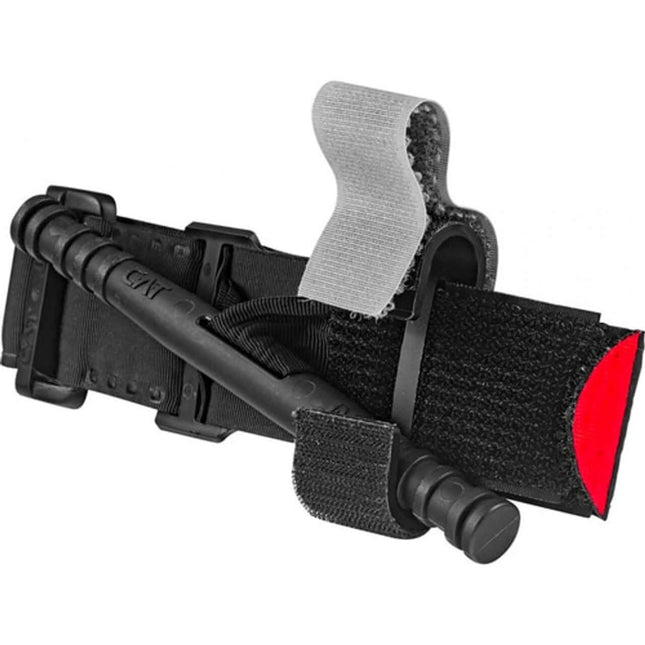
The #1 preventable cause of death in remote trauma is uncontrolled bleeding.
A proper tourniquet allows you to stop severe bleeding fast—even with one hand or when conditions are wet, cold, or chaotic.
Look for:
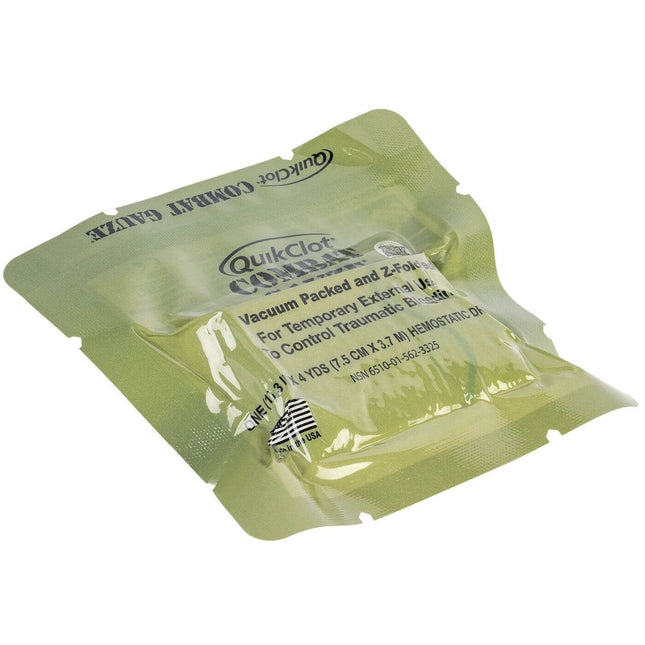
Deep cuts, jagged wounds, and animal-related injuries often need packing.
Hemostatic gauze accelerates clotting, making it vastly more effective in the field.
Stored correctly, it works in dust, rain, snow, and sweat.
Once you pack a wound, you need a dressing that maintains firm, consistent pressure while you manage other tasks.
Cheap “first aid kit gauze” gets soaked and loosens quickly.
A proper pressure dressing buys you time—and reduces panic.
Chest injuries aren’t common, but when they happen, they’re serious.
A vented chest seal helps prevent trapped air from building pressure inside the chest cavity.
This is a foundational item in modern trauma response.
Unconsciousness, shock, allergic reactions, and impacts can lead to airway compromise.
An NPA is simple, effective, and extremely lightweight.
Even if you never need it, the moment you do, you’ll be glad it’s there.
Trying to treat an injury through jackets, bibs, chest rigs, or riding jerseys wastes time.
Shears allow you to reach the problem quickly—and safely.
Shock doesn’t care if you’re in the desert or the mountains.
Losing body heat is a major complication in traumatic injuries.
A lightweight emergency blanket can prevent a medical problem from escalating into a survival problem.
From rocky Colorado ridgelines to humid Southern trails, dehydration is one of the most common outdoor issues.
Helpful items include:
Think about the problems you’ve actually had while outdoors: allergies, pain, stomach irritation, inflammation, headaches, etc.
A good kit includes:
The goal is to keep you moving and reduce discomfort—not create a pharmacy.
This might be the most important item that isn’t an item.
Your kit should be:
If your kit takes more than 5 seconds to open and find a tourniquet, it’s too slow.
Outdoor travel isn’t one-size-fits-all. Your Adventure First Aid Kit Essentials should match the way you explore.
Below is a quick breakdown based on where you spend most of your time:
You need:
This kit should live in the top pocket of your pack or in your glove box when not on trail.
Vehicle injuries tend to be more severe (and happen on pavement, gravel, or highways).
You need:
Avoid trunk-only storage—it slows you down at the worst moment.
If you’re traveling remote highway miles, crossing state lines, or camping off-grid, prioritize:
This kit should be mounted where everyone knows it lives.
In rural America and off-grid locations, EMS response time stretches dramatically.
You need:
This is where “mission-ready” matters most.
Most kits force you to buy different versions for hiking, vehicles, cabins, and off-grid use.
The Advanced Adventurer First Aid Kit (Advanced AFAK) was intentionally designed to solve that problem.
Built by a veteran-led team with real-world medical experience, the Advanced AFAK includes:
One kit.
Multiple missions.
Anywhere you travel.
Whether you explore Colorado’s 14ers, Washington’s forest roads, Tennessee’s waterfalls, Utah’s canyons, or the wide-open Southwest—this kit adapts to your adventure, not the other way around.
Open your kit.
Find the tourniquet.
Locate the gauze.
Spot the CPR mask.
Close it.
Repeat.
This builds muscle memory you’ll rely on in real emergencies.
Depending on where you explore, add:
This reduces confusion for rescuers.
You don’t need to be a medic.
Just know how to:
Five minutes of practice = faster hands when it counts.
You prepare for weather.
You prepare for routes.
Now prepare for the unexpected moments that matter most.

OSHA minimum workplace kits don't include a tourniquet. Here's how to calculate station count, stock each station, and build bleed control coverage in any public...

One kit at the main entrance fails the 90-second coverage rule for most buildings. Here's how to run a coverage audit and calculate the correct...

Arterial hemorrhage kills in 3 minutes. Urban EMS takes 7–10. Every business needs CoTCCC-standard bleed control kits — here's how to select, deploy, and train...

40+ states mandate bleed control kits in schools — but most deployment plans miss classrooms and buses. Here's the placement standard that actually works.

Most of our trauma kits and first aid supplies qualify for HSA and FSA reimbursement. Don't let your benefits expire — invest them in gear that could save a life.


$124.95


$279.99

$37.49 - $139.46


$299.95 $269.95


$139.95 - $169.95

$49.95


$25.99


$164.95

We've been downrange. We know what it costs to be unprepared. ViTAC was built by U.S. Army Special Operations veterans to make sure the people who run toward the threat — and the families who depend on them — have gear that works when everything is on the line.
— ViTAC Solutions Founders | 40+ years combined Special Operations experience