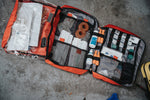
Identify Fake Gear: Ensuring Your Trauma Kits Meet TCCC Standards
2 min reading time
2 min reading time
Imagine you're at a roadside accident. A severe bleeding injury demands immediate action. You reach for your first aid kit, hoping it's up to the job. But is it? If your trauma kit isn't TCCC standard, you're gambling with lives — including your own.
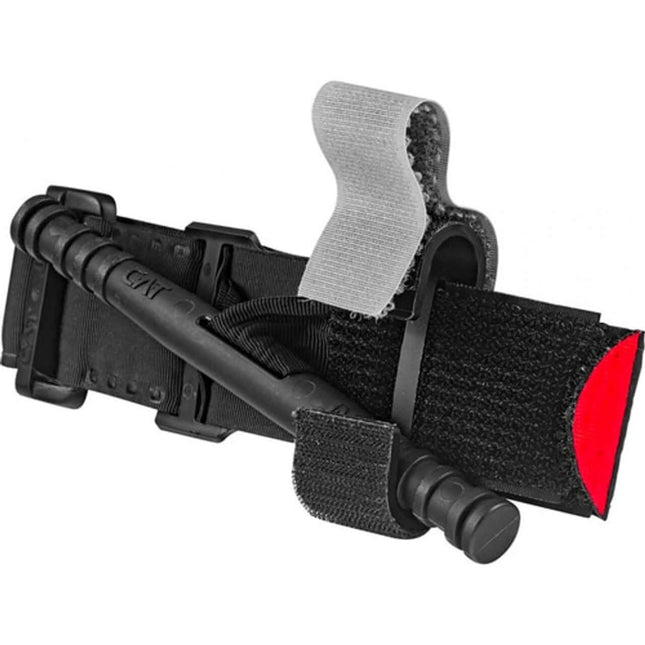
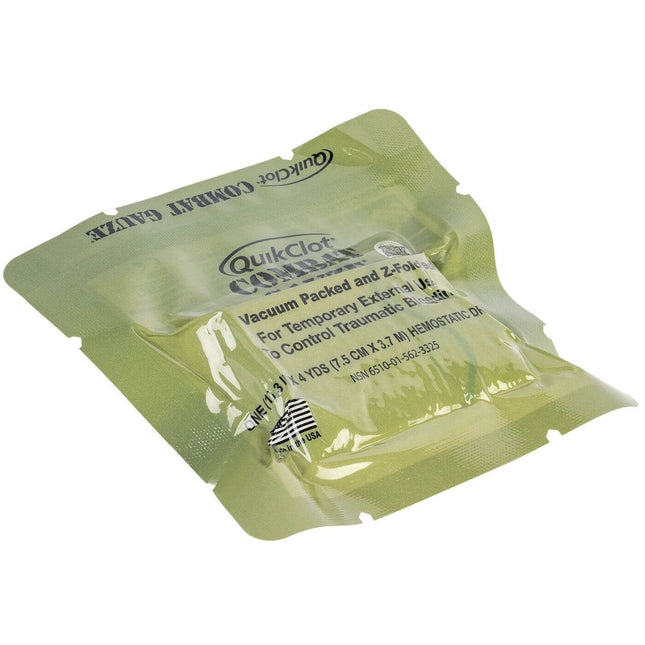
The Tactical Combat Casualty Care (TCCC) standards ensure your trauma kits are not just equipped, but optimally functional in high-stress scenarios like severe injuries or active shooter situations. Real-world emergencies require more than generic first aid supplies. You need gear tested and trusted by professionals: CAT tourniquets, QuikClot gauze, and trustworthy brands like NAR or Israeli bandages.
Choosing non-certified components could be the difference between life and death. With bleeding control and emergency readiness at stake, matching your gear to TCCC standards is not optional — it's essential.
Meticulously examine your equipment. Confirm you're using authentic items from reputable manufacturers such as North American Rescue (NAR) and CAT. Spotting counterfeit gear involves:
Training reminders: If you're unsure about identifying genuine equipment, seek guidance or training. Competence with your gear is as crucial as possessing it.
When building or purchasing trauma kits, prioritize the following components:
For professionals needing field-ready kits, consider the Patrol Vehicle Trauma Kit offered by ViTAC Solutions.
Many marketed "first aid kits" lack key life-saving components. A Tactical First Aid Kit is a commitment to preparedness and must stand up in real scenarios. Learn more about choosing suitable gear by reading Tactical First Aid Kits vs. Everyday-Carry.
| Component | Authentic Example | Purpose |
|---|---|---|
| Tourniquet | CAT | Rapid arterial bleeding control |
| Hemostatic Gauze | QuikClot | Blood clot acceleration |
| Pressure Bandage | Israeli Bandage | Effective bleeding control |
| Chest Seal | NAR HyFin® Vent | Sealing chest wounds |
Verify your trauma gear. Verify its authenticity. Confirm its readiness. Anything less compromises your emergency readiness. Maintain your commitment to TCCC standards. Preparedness is your shield. Equip yourself accordingly.
For additional resources and more about trauma kits, visit ViTAC Solutions.
Read: The Protector's Guide to Preventing Blood Loss to bolster your knowledge on hemostatics and tourniquets.

OSHA minimum workplace kits don't include a tourniquet. Here's how to calculate station count, stock each station, and build bleed control coverage in any public...

One kit at the main entrance fails the 90-second coverage rule for most buildings. Here's how to run a coverage audit and calculate the correct...

Arterial hemorrhage kills in 3 minutes. Urban EMS takes 7–10. Every business needs CoTCCC-standard bleed control kits — here's how to select, deploy, and train...

40+ states mandate bleed control kits in schools — but most deployment plans miss classrooms and buses. Here's the placement standard that actually works.

Most of our trauma kits and first aid supplies qualify for HSA and FSA reimbursement. Don't let your benefits expire — invest them in gear that could save a life.


$124.95


$279.99

$37.49 - $139.46


$299.95 $269.95


$139.95 - $169.95

$49.95


$25.99


$164.95

We've been downrange. We know what it costs to be unprepared. ViTAC was built by U.S. Army Special Operations veterans to make sure the people who run toward the threat — and the families who depend on them — have gear that works when everything is on the line.
— ViTAC Solutions Founders | 40+ years combined Special Operations experience