
Mastering the Application: How Proper Stop the Bleed Training Saves Lives
3 min reading time
3 min reading time
Imagine this: You're at the scene of a car accident. Bright red blood is pooling on the ground—a young adult lies injured, seconds ticking away. Medical help won’t arrive in time. In this moment, your individual emergency readiness, forged through rigorous Stop the Bleed training, is what stands between life and death. This isn't hypothetical; it's reality, underscoring the essential role proper training plays in bleeding control.
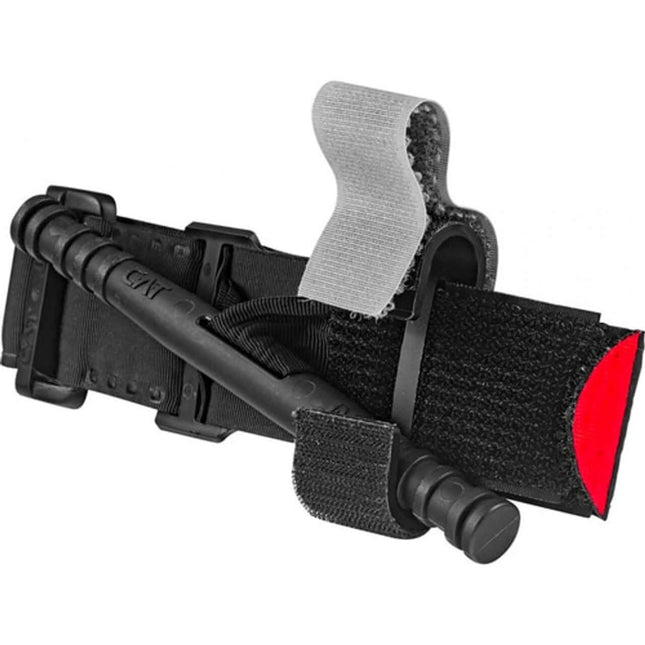
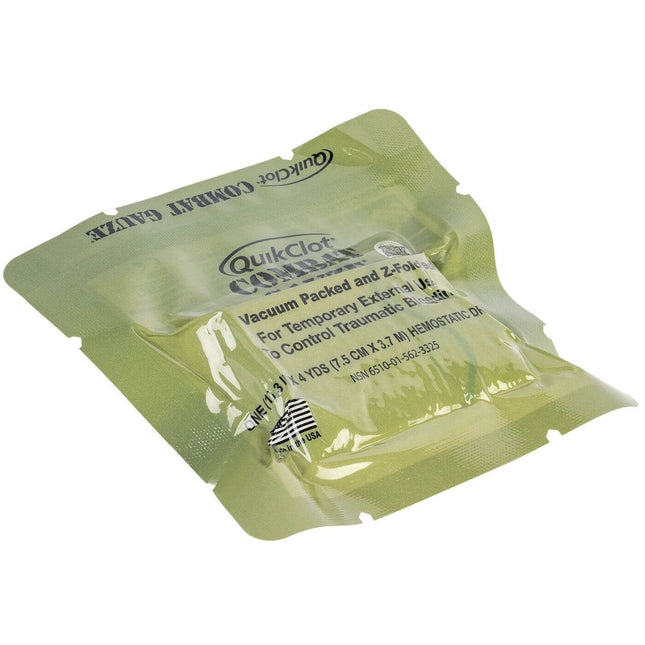
Blood loss is the leading preventable cause of death in trauma. In critical situations, the first few minutes are pivotal. Trauma kits equipped with advanced bleeding control gear filled with items like CAT tourniquets, NAR Emergency Trauma Dressing (ETD), and QuikClot Hemostatic Dressings become lifesaving tools. However, possessing these tools is just one side of the coin—knowing how to deploy them efficiently and effectively is crucial. Your reliability as a serious civilian protector hinges on your preparations and readiness.
It’s worth noting that trauma kits and first aid kits serve different purposes. Trauma kits contain specialized components designed for severe injury management, particularly bleeding control—think CAT tourniquets and NAR dressings. Conversely, traditional first aid kits are more suited for minor injuries and do not cater specifically to major trauma events. Investing in trauma kits is non-negotiable for those serious about emergency preparedness.
Here's where specificity earns trust. A solid trauma kit is incomplete without these elements:
| Component | Purpose | Recommended Brand |
|---|---|---|
| CAT Tourniquet | Arterial bleeding control | NAR |
| QuikClot Gauze | Rapid clot induction | QuikClot |
| Israeli Bandage | Pressure wound dressing | |
| NAR Emergency Trauma Dressing (ETD) | Secure wound coverage | NAR |
These aren’t just tools—they’re lifesavers when properly used. The Tactical Trauma Backpack, tailored for advanced bleeding control, combines all these necessities for comprehensive readiness. Learn more about it here.
Warning: Ill-equipped kits or fake gear can cost lives. Always verify the authenticity of your equipment. Reference our guide on identifying reliable trauma kits here.
Mastery over your equipment is possible only through disciplined training. Learning the nuances of tourniquet application or the art of applying pressure with an Israeli bandage ensures your interventions are timely and effective, cutting life-threatening bleeds within critical timeframes. The Supplemental IFAK Resupply Kit (SIRK™) Gen 1 complements ongoing training by keeping your skills sharp and your equipment ready.
Training Reminder: Regular practice with your trauma gear is indispensable. Incorporate drills into your routine to remain efficiently prepared, leaving nothing to chance when real scenarios unfold.
Recognizing the gravity of preparedness, you take matters into your own hands, trusting only gear designed and tested by veterans. At ViTAC Solutions, a brand built on battlefield trust, we equip protectors like you with precision-crafted tools. Explore our preparedness resources to bolster your readiness further by visiting ViTAC Solutions.
Read More: Our article on family emergency readiness is essential reading for anyone dedicated to safeguarding loved ones. Explore it here.
In the world of civilian protection, real expertise doesn’t come from idle preparation; it stems from a continuous commitment to learning and readiness. Equip yourself with the right trauma gear and the knowledge to use it effectively—because lives depend on it.

OSHA minimum workplace kits don't include a tourniquet. Here's how to calculate station count, stock each station, and build bleed control coverage in any public...

One kit at the main entrance fails the 90-second coverage rule for most buildings. Here's how to run a coverage audit and calculate the correct...

Arterial hemorrhage kills in 3 minutes. Urban EMS takes 7–10. Every business needs CoTCCC-standard bleed control kits — here's how to select, deploy, and train...

40+ states mandate bleed control kits in schools — but most deployment plans miss classrooms and buses. Here's the placement standard that actually works.

Most of our trauma kits and first aid supplies qualify for HSA and FSA reimbursement. Don't let your benefits expire — invest them in gear that could save a life.


$124.95


$279.99

$37.49 - $139.46


$299.95 $269.95


$139.95 - $169.95

$49.95


$25.99


$164.95

We've been downrange. We know what it costs to be unprepared. ViTAC was built by U.S. Army Special Operations veterans to make sure the people who run toward the threat — and the families who depend on them — have gear that works when everything is on the line.
— ViTAC Solutions Founders | 40+ years combined Special Operations experience