The Protector's Guide to Preventing Blood Loss: Hemostatics and Tourniquets Explained
2 min reading time
2 min reading time
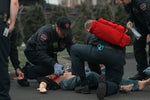
Picture this: You’re first on the scene at a massive accident. Chaos is everywhere. People are screaming. Among the injured, someone’s losing blood fast. As a prepared protector, you know stopping the bleed isn't just a skill—it's a decisive action saving lives.
In emergencies, uncontrolled bleeding is the number one preventable cause of death. Whether you're equipping a trauma kit or enhancing your preparedness strategy, beating the clock is pivotal. This isn’t just about filling a first aid kit; it’s about ensuring you have the right tools—competent ones, like those from veteran-owned brands that reflect real-world tactical experience.
Trauma kits aren't your average first aid kits. They’re purposeful collections designed for serious bleeding control. Products like the STOMP Medical Kit's 329-Piece Trauma Refill Pack contain vital components for emergency readiness. These aren't options; they're essentials in your arsenal.
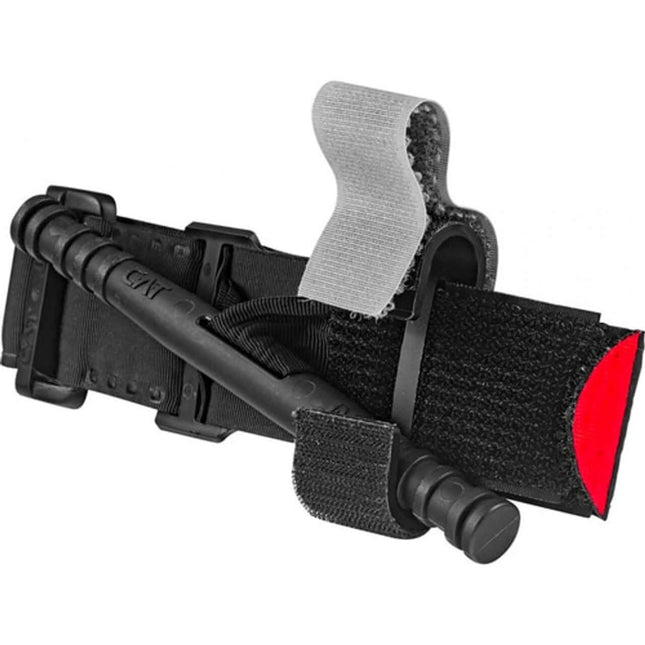
Tourniquets have evolved into critical elements in modern bleeding management. Whether you’re deploying the proven CAT GEN 7 or the adaptable SWAT T, each offers distinct advantages in different scenarios.
| Tourniquet | Feature | Scenario |
|---|---|---|
| CAT GEN 7 | Windlass system for self-application | High-pressure application in limbs |
| SWAT T | Multipurpose, latex-free | Variable pressure, adaptable to more locations |
Reminder: Only apply a tourniquet when direct pressure fails and ensure proper training has been received.
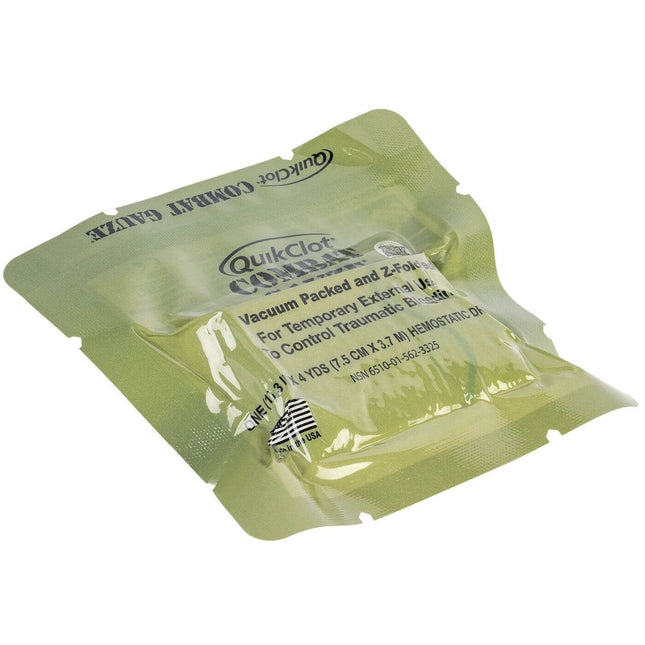
Hemostatic dressings, like QuikClot, are pivotal when direct pressure isn’t enough. They expedite clotting—a necessary edge while on scene. For massive hemorrhages, pairing hemostatics with tactical bandages like the Israeli Bandage can be lifesaving. Only by employing both can severe bleeds be reliably managed.
Warning: Hemostatic agents are powerful; misuse without training can complicate injuries.
When you encounter severe bleeding, the decision isn’t always straightforward. Consider:
When blood spills, seconds define outcomes. Your gear and training decide if those seconds save a life. Be a protector, prepared to act purposefully. Invest in and train with the right tools—competence waits until that decisive moment. Never doubt; equip with veteran-tested reliability. Start here: ViTAC Solutions.
No space for fluff. Just results.
Training is paramount. Always ensure you're qualified to use trauma gear effectively.

OSHA minimum workplace kits don't include a tourniquet. Here's how to calculate station count, stock each station, and build bleed control coverage in any public...

One kit at the main entrance fails the 90-second coverage rule for most buildings. Here's how to run a coverage audit and calculate the correct...

Arterial hemorrhage kills in 3 minutes. Urban EMS takes 7–10. Every business needs CoTCCC-standard bleed control kits — here's how to select, deploy, and train...

40+ states mandate bleed control kits in schools — but most deployment plans miss classrooms and buses. Here's the placement standard that actually works.

Most of our trauma kits and first aid supplies qualify for HSA and FSA reimbursement. Don't let your benefits expire — invest them in gear that could save a life.


$124.95


$279.99

$37.49 - $139.46


$299.95 $269.95


$139.95 - $169.95

$49.95


$25.99


$164.95

We've been downrange. We know what it costs to be unprepared. ViTAC was built by U.S. Army Special Operations veterans to make sure the people who run toward the threat — and the families who depend on them — have gear that works when everything is on the line.
— ViTAC Solutions Founders | 40+ years combined Special Operations experience