
Golden Hour Basics: Why Bleeding Control Comes First
6 min reading time
6 min reading time
In emergency medicine, there's a concept that guides every life-saving decision: time is everything. Whether it's a workplace accident, car crash, or unexpected injury at home, the first few minutes after a serious incident can determine the outcome.
Understanding why bleeding control takes priority—and how proper preparation supports faster response—isn't just medical knowledge. It's practical information that can help anyone be more prepared when seconds count.
The "golden hour" is a well-known principle in emergency medicine, but the most critical period is actually much shorter—often the first few minutes after a severe injury occurs.
When someone experiences major bleeding from an artery or large blood vessel, they can lose a life-threatening amount of blood in just minutes. This isn't about small cuts or scrapes—it's about the kind of bleeding that can happen from:
In these situations, controlling bleeding becomes the immediate priority because no other medical intervention matters if someone loses too much blood too quickly.
Emergency medical professionals follow a clear priority system, and bleeding control sits at the top for good reason:

A severed artery can cause someone to lose consciousness in minutes and become life-threatening in under 5 minutes. Other injuries, while serious, typically allow more time for intervention.
Unlike complex internal injuries that require surgery, external bleeding can often be controlled with the right supplies and basic knowledge—even before professional help arrives.
Once bleeding is controlled, there's time to address other injuries, call for help, and provide additional care. But without bleeding control, other interventions become irrelevant.
Knowing that bleeding control comes first is one thing—being able to act on it quickly is another. This is where kit organization becomes critical.
Well-designed medical kits prioritize bleeding control supplies in several ways:

During emergencies, stress affects everyone's ability to think clearly and move quickly. Good organization compensates for this by:
Having the right supplies organized properly is essential, but it's only part of the equation. Basic training makes the difference between having supplies and being able to use them effectively.
Programs like "Stop the Bleed" teach civilians how to:
Important: Medical kits support and enhance care—they don't replace professional medical treatment. The goal is always to control bleeding and get professional help as quickly as possible.
Without preparation: Injury occurs → panic → search for supplies → call 911 → attempt to help → EMS arrives
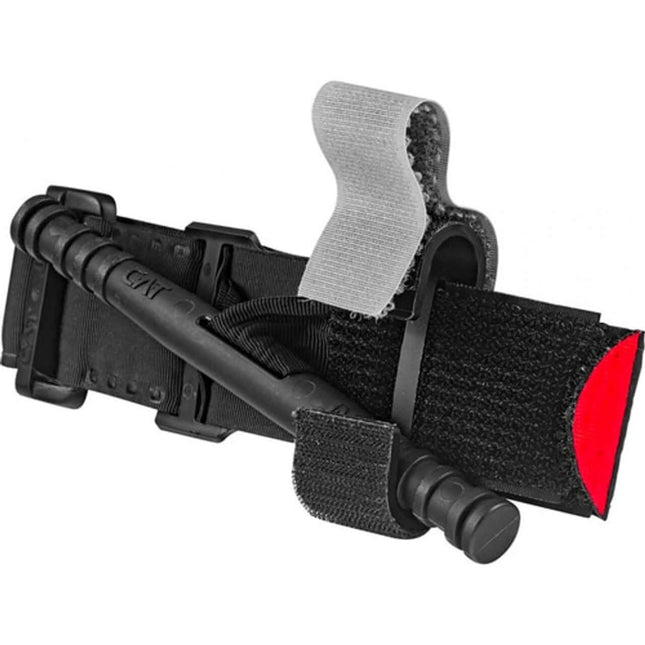
With preparation: Injury occurs → grab pre-positioned kit → apply tourniquet → call 911 → continue care → EMS arrives
Time saved: 2-4 critical minutes

Without preparation: Accident → assess injuries → search vehicle → improvise with clothing → wait for help
With preparation: Accident → grab trauma kit from known location → apply pressure bandage → control bleeding → assist others
Time saved: 3-5 critical minutes
While formal training is highly recommended, even basic knowledge can save lives. Many bleeding control techniques can be learned in a few hours through programs like Stop the Bleed. However, having supplies without any training is still better than having no supplies at all.
Most quality medical kits include basic instructions, and many supplies have usage information printed on them. When in doubt, direct pressure with any clean cloth is better than doing nothing. Call 911 immediately and follow dispatcher instructions.
Keep kits in locations where you spend the most time and where accidents are most likely:
Check supplies every 6 months for expiration dates and damage. Replace any items that have been used or are approaching expiration. Consider this part of your regular safety routine.
While you can use trauma supplies for minor injuries, it's not cost-effective. Keep basic first aid supplies for everyday cuts and scrapes, and reserve trauma supplies for serious emergencies.

Understanding why bleeding control comes first isn't about becoming a medical professional—it's about being prepared for the unexpected. When you combine the right supplies, smart organization, and basic knowledge, you're ready to make those critical first minutes count.
The golden hour concept reminds us that time is precious in emergencies. But the real power lies in the first few minutes, when proper preparation and quick action can make all the difference.
Remember: The best medical kit is one you hope you'll never need to use, but are fully prepared to use if the moment comes.
Being prepared starts with understanding, but it doesn't end there. Consider:
When seconds count, preparation makes the difference between panic and effective action.

OSHA minimum workplace kits don't include a tourniquet. Here's how to calculate station count, stock each station, and build bleed control coverage in any public...

One kit at the main entrance fails the 90-second coverage rule for most buildings. Here's how to run a coverage audit and calculate the correct...

Arterial hemorrhage kills in 3 minutes. Urban EMS takes 7–10. Every business needs CoTCCC-standard bleed control kits — here's how to select, deploy, and train...

40+ states mandate bleed control kits in schools — but most deployment plans miss classrooms and buses. Here's the placement standard that actually works.

Most of our trauma kits and first aid supplies qualify for HSA and FSA reimbursement. Don't let your benefits expire — invest them in gear that could save a life.


$124.95


$279.99

$37.49 - $139.46


$299.95 $269.95


$139.95 - $169.95

$49.95


$25.99


$164.95

We've been downrange. We know what it costs to be unprepared. ViTAC was built by U.S. Army Special Operations veterans to make sure the people who run toward the threat — and the families who depend on them — have gear that works when everything is on the line.
— ViTAC Solutions Founders | 40+ years combined Special Operations experience