5 Survival Skills Every Preparedness-Minded Person Should Master
4 min reading time
4 min reading time
When it comes to emergency preparedness, some people take it to the next level—and for good reason. Whether you're a seasoned prepper, an outdoor enthusiast, or simply someone who believes in being ready for life’s unexpected turns, these foundational survival skills can help ensure your safety and self-reliance.
Preparedness isn’t about paranoia—it’s about confidence, capability, and control. Below are five essential survival skills that everyone should not only learn, but continually practice and refine.
When natural disasters strike—flooding, storm surges, or even accidents near water—your ability to move safely through water can be life-saving. Basic survival swimming includes:
Treading water and floating for extended periods
Using energy-efficient strokes like the sidestroke or breaststroke
Building makeshift flotation devices with clothing or gear
💡 Tip: Practice swimming in outdoor or low-visibility conditions (with supervision) to simulate real-world environments.

In a crisis, emergency services may be delayed—or unreachable. Learning wilderness first aid bridges the gap between injury and professional care. It teaches you to:
Treat burns, fractures, sprains, and deep wounds
Recognize dehydration, hypothermia, and allergic reactions
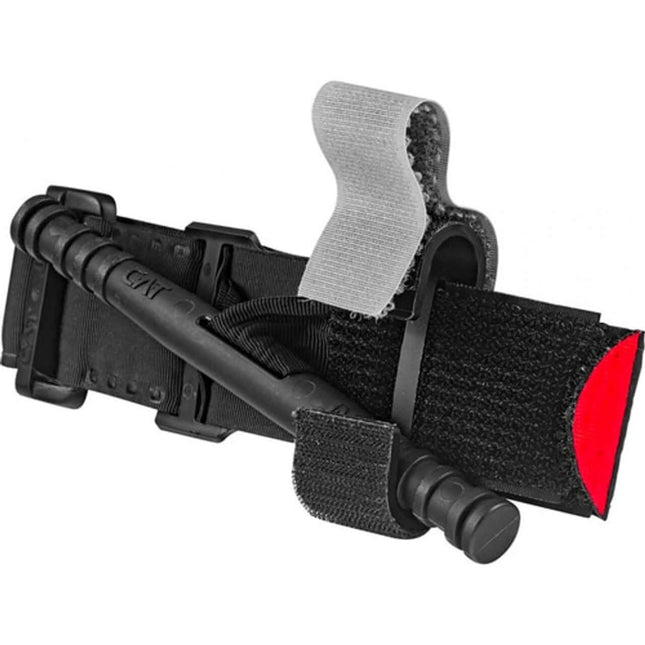
Use available materials to create splints, slings, or tourniquets
📘 Bonus: Pair this skill with a compact, trauma-rated first aid kit from ViTAC Solutions for maximum readiness.
Whether you're protecting your home or navigating civil unrest, responsible firearm handling is an important layer of personal safety. Focus on:
Choosing the right tool for your environment (home defense, carry, long-range)
Practicing speed, accuracy, and safe storage
Knowing the legal responsibilities of self-defense in your region
⚠️ Training is key. Seek certified instruction to build confidence and safety awareness.

Nature doesn’t offer a warning before the weather turns—or when you’re stranded. Learning to build a shelter from the environment around you is essential. You’ll want to know how to:
Choose a safe and dry location
Build simple but effective shelters like a lean-to or A-frame
Use knots and tarps to secure insulation or rain protection
🏕️ Even with gear, these skills provide backup options in case supplies are lost or damaged.
Food security goes beyond canned goods and freeze-dried rations. In a grid-down situation or outdoor survival setting, foraging can bridge the gap.
Identify safe, nutrient-rich plants in your region
Recognize common medicinal herbs and their uses
Learn to test unknown plants for safety (last resort method)
🌿 A local field guide or regional foraging class can fast-track this skill.
Emergency preparedness isn’t just for the extreme scenarios—it’s for everyday resilience. These skills aren’t just about surviving—they’re about thriving through adversity and helping others along the way.
Whether you're preparing for a wilderness hike, a natural disaster, or a power outage, mastering these core competencies builds confidence, capability, and peace of mind.

At ViTAC Solutions, we provide high-quality emergency tools and medical kits that support your journey toward self-reliance. Designed by tactical experts and trusted by professionals, our gear is built for real-world readiness—because when seconds count, you need tools you can trust.
Explore our best-in-class first aid kits and survival essentials at ViTACsolutions.com

OSHA minimum workplace kits don't include a tourniquet. Here's how to calculate station count, stock each station, and build bleed control coverage in any public...

One kit at the main entrance fails the 90-second coverage rule for most buildings. Here's how to run a coverage audit and calculate the correct...

Arterial hemorrhage kills in 3 minutes. Urban EMS takes 7–10. Every business needs CoTCCC-standard bleed control kits — here's how to select, deploy, and train...

40+ states mandate bleed control kits in schools — but most deployment plans miss classrooms and buses. Here's the placement standard that actually works.

Most of our trauma kits and first aid supplies qualify for HSA and FSA reimbursement. Don't let your benefits expire — invest them in gear that could save a life.


$124.95


$279.99

$37.49 - $139.46


$299.95 $269.95


$139.95 - $169.95

$49.95


$25.99


$164.95

We've been downrange. We know what it costs to be unprepared. ViTAC was built by U.S. Army Special Operations veterans to make sure the people who run toward the threat — and the families who depend on them — have gear that works when everything is on the line.
— ViTAC Solutions Founders | 40+ years combined Special Operations experience