Essential First Aid Supplies: What They Do and Why They Matter
3 min reading time
3 min reading time
Whether you're at home, behind the wheel, on the job, or out on patrol, having a first aid kit nearby isn't just smart—it's essential. But knowing what's inside your kit and how those items actually help? That's next-level readiness.
Below is a straightforward guide to typical first aid and trauma-oriented supplies, explained in practical, no-nonsense terms. No clinical jargon. Just real-world info so you know what you're working with—and why it matters.

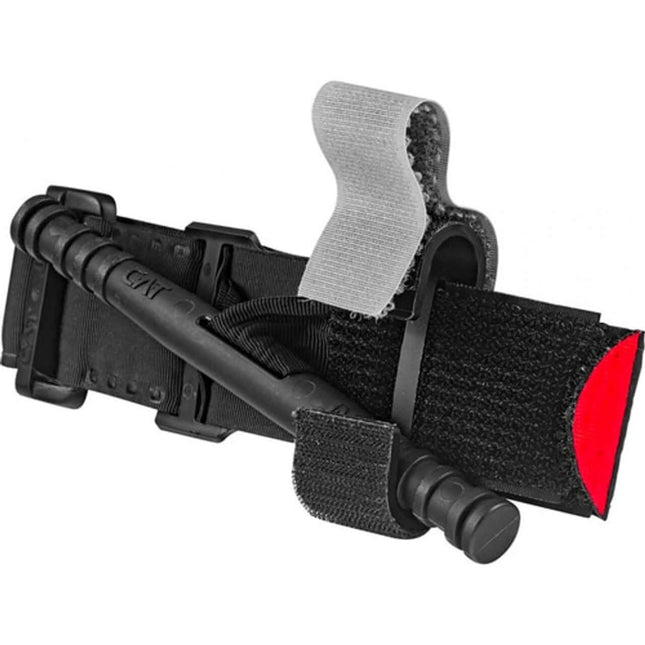
Purpose-built to stop life-threatening bleeding from arms or legs. The windlass (stick) allows you to tighten it down to compress arteries and stop major blood flow—often used in severe accidents, active shooter incidents, or industrial injuries.
🚨 Critical in any kit designed for trauma or tactical use.

These are elastic wraps with built-in pads. When applied correctly, they create focused pressure to slow or stop bleeding from large wounds without needing a tourniquet.
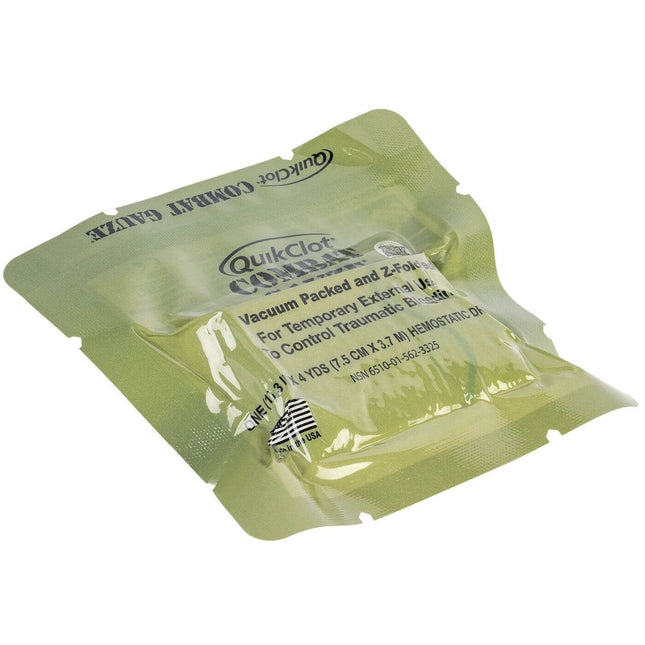
Gauze is used to pack wounds or cover them. Hemostatic gauze goes a step further—it's treated with a substance (like kaolin) that helps blood clot faster, especially useful when bleeding is hard to control.
Your go-to for cuts, scrapes, and minor wounds. They help protect from infection and dirt while the skin heals.
Great for layering over wounds or burns when you need more coverage than a bandage. Medical tape secures gauze or wraps in place without irritating the skin.

These help pull small to medium skin gaps together—sort of like mini-stitches without the needle.
🧼 Clean wounds before applying any dressings to reduce the risk of infection.
Used for penetrating injuries to the chest (e.g., gunshots, stab wounds) to help prevent collapsed lungs. These seals stick over the injury and control airflow in and out.
These include simple items like nasopharyngeal airways or rigid bite blocks—used to keep a person's airway open if they're unconscious but still breathing.
⛑ These tools are most effective when used by someone trained in basic airway management.
Nitrile gloves protect both you and the patient from germs and fluids. Always wear gloves when treating wounds.
Designed to cut through clothing, belts, or gear to quickly access an injury site without causing further harm.
Use these to disinfect the skin around wounds or clean your hands before and after treatment.
Secure gauze, wraps, or loose bandages with flexible and skin-safe adhesive.
Think of your first aid kit as a layered defense system:
No single item does it all—but together, they cover a wide range of emergencies from the everyday to the extreme.
Basic training (like Stop the Bleed or CPR) greatly improves outcomes and confidence. Some tools, like tourniquets or airway devices, are best used by someone trained—but even untrained users can follow included instructions in emergencies.
Every 3–6 months. Look for expired items, damaged packaging, or missing supplies after use. Restock as needed.
Anywhere you spend time:
Whether you're gearing up for patrol, building your home preparedness plan, or outfitting your vehicle, understanding your gear is step one. Make sure you're not just carrying a kit—but carrying confidence.
Stay prepared, stay safe, and remember—the best first aid kit is the one you know how to use.

OSHA minimum workplace kits don't include a tourniquet. Here's how to calculate station count, stock each station, and build bleed control coverage in any public...

One kit at the main entrance fails the 90-second coverage rule for most buildings. Here's how to run a coverage audit and calculate the correct...

Arterial hemorrhage kills in 3 minutes. Urban EMS takes 7–10. Every business needs CoTCCC-standard bleed control kits — here's how to select, deploy, and train...

40+ states mandate bleed control kits in schools — but most deployment plans miss classrooms and buses. Here's the placement standard that actually works.

Most of our trauma kits and first aid supplies qualify for HSA and FSA reimbursement. Don't let your benefits expire — invest them in gear that could save a life.


$124.95


$279.99

$37.49 - $139.46


$299.95 $269.95


$139.95 - $169.95

$49.95


$25.99


$164.95

We've been downrange. We know what it costs to be unprepared. ViTAC was built by U.S. Army Special Operations veterans to make sure the people who run toward the threat — and the families who depend on them — have gear that works when everything is on the line.
— ViTAC Solutions Founders | 40+ years combined Special Operations experience