Trusted by Law Enforcement & Tactical Professionals
Community Preparedness: Building Disaster-Resilient Neighborhoods
7 min reading time
Discover how Community Preparedness can transform your neighborhood into a resilient force against disasters. This guide offers strategic steps for assessing risks, creating emergency plans, and building strong support networks, ensuring quicker recovery and enhanced safety for all residents.
Community Preparedness: Building Resilient Neighborhoods for Any Emergency
Community preparedness is the cornerstone of disaster resilience, transforming neighborhoods from vulnerable populations into organized, self-sufficient networks capable of responding effectively to emergencies, natural disasters, and crisis situations. In today's world where wildfires, hurricanes, floods, power outages, and other emergencies occur with increasing frequency, the difference between communities that recover quickly and those that struggle for years often comes down to one factor: how prepared they were before disaster struck.
Building a disaster-resilient community isn't the responsibility of government agencies alone—it requires active participation from residents, businesses, organizations, and local leaders working together toward common preparedness goals. When communities invest in planning, training, infrastructure, and mutual support networks, they create safety nets that protect the most vulnerable, reduce casualties, minimize property damage, and accelerate recovery.
This comprehensive guide provides actionable strategies for building community preparedness from the ground up, whether you're a neighborhood leader, business owner, emergency management professional, or concerned resident ready to make your community safer and more resilient.
Why Community Preparedness Matters
Individual preparedness is important, but community-level resilience multiplies effectiveness:
Collective Resources
Communities can pool resources, skills, and equipment that individuals cannot afford or maintain alone—generators, medical supplies, communication equipment, and specialized tools.
Mutual Support Networks
Neighbors helping neighbors creates safety nets for elderly residents, people with disabilities, families with young children, and others who need assistance during emergencies.
Faster Response Times
Organized community response teams can provide immediate assistance before professional emergency services arrive, often saving lives in the critical first minutes.
Reduced Burden on Emergency Services
Prepared communities handle minor emergencies independently, allowing first responders to focus on the most critical situations.
Stronger Recovery
Communities with established relationships and plans recover faster, with less long-term displacement and economic disruption.
Step 1: Assess Local Risks and Vulnerabilities
Effective community preparedness starts with understanding your specific threats:
Identify Natural Hazards
Determine which natural disasters are most likely in your area:
Active participation creates lasting preparedness culture:
Engagement Activities
Preparedness fairs: Showcase resources and training
Neighborhood clean-up days: Reduce hazards while building connections
Emergency drills: Practice response procedures
Social media campaigns: Share tips and updates
Recognition programs: Celebrate prepared households and volunteers
Sustaining Momentum
Regular community meetings and updates
Annual preparedness assessments
Continuous improvement based on lessons learned
New resident orientation programs
Youth leadership development
Measuring Community Preparedness Success
Track progress with measurable indicators:
Percentage of households with emergency plans
Number of CERT-trained volunteers
Community drill participation rates
Emergency supply cache inventory levels
Response time improvements
Resident preparedness survey results
Overcoming Common Challenges
Limited Funding
Seek grants, partner with businesses, leverage volunteer labor, and prioritize high-impact low-cost initiatives.
Low Participation
Make events fun and social, provide incentives, use peer influence, and demonstrate clear benefits.
Diverse Populations
Provide multilingual materials, respect cultural differences, engage community leaders, and ensure inclusive planning.
Maintaining Interest
Vary activities, celebrate successes, share stories, and connect preparedness to everyday safety.
ViTAC Solutions: Supporting Community Preparedness
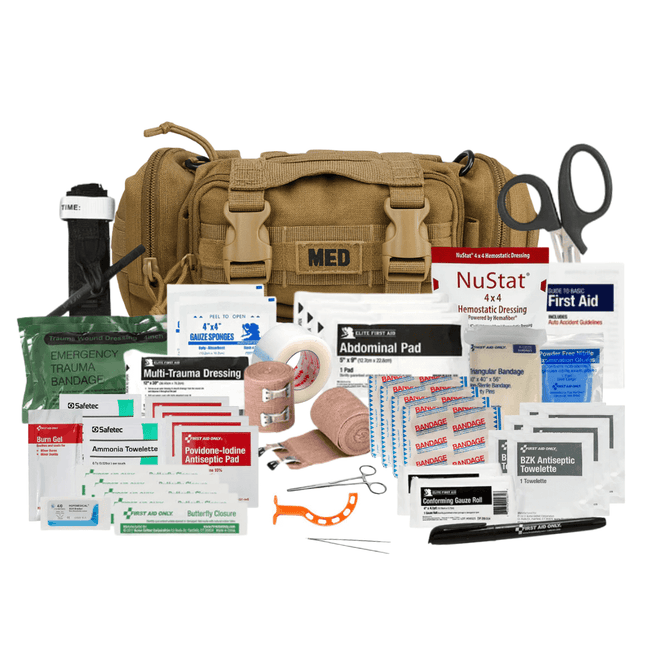
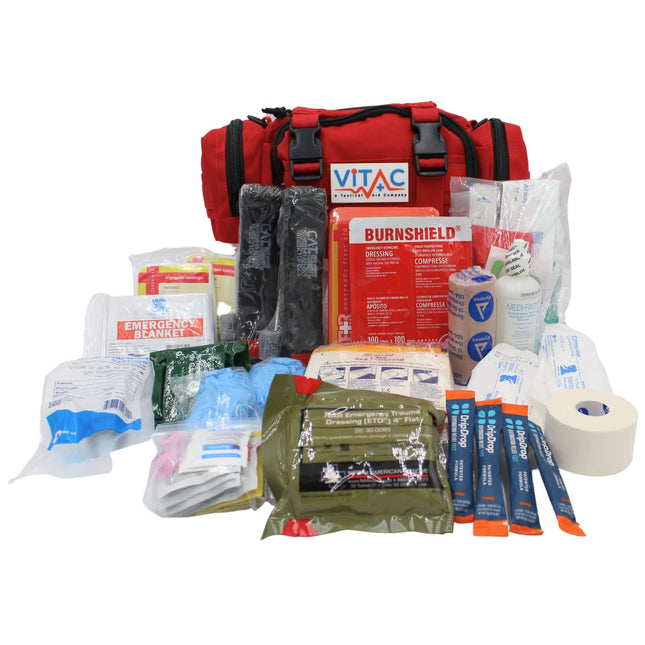
At ViTAC Solutions, we support community preparedness initiatives by providing professional-grade emergency medical supplies and trauma kits for CERT teams, community emergency caches, and individual household preparedness.
Our kits are curated by U.S. Army Green Berets with real-world emergency response experience, ensuring communities have the right equipment for effective disaster response.
ViTAC Solutions – Professional-grade emergency equipment built by veterans, trusted by communities that refuse to be unprepared. Because disaster resilience doesn't happen by accident—it's built through planning, training, and community-wide commitment to preparedness.
In Stock
Domestic Shipping (USA - Lower 48 Only) Orders are processed within 24 hours and typically ship within 1–2 business days. Once shipped, delivery takes an estimated 3–7 days, with most orders arriving in just 5 days. Please Note: We currently do not ship to Alaska, Hawaii, or international destinations. Questions? Contact us anytime at support@vitacsolutions.com or call 307-202-8426.
In Stock
Domestic Shipping (USA - Lower 48 Only) Orders are processed within 24 hours and typically ship within 1–2 business days. Once shipped, delivery takes an estimated 3–7 days, with most orders arriving in just 5 days. Please Note: We currently do not ship to Alaska, Hawaii, or international destinations. Questions? Contact us anytime at support@vitacsolutions.com or call 307-202-8426.
In Stock
Domestic Shipping (USA - Lower 48 Only) Orders are processed within 24 hours and typically ship within 1–2 business days. Once shipped, delivery takes an estimated 3–7 days, with most orders arriving in just 5 days. Please Note: We currently do not ship to Alaska, Hawaii, or international destinations. Questions? Contact us anytime at support@vitacsolutions.com or call 307-202-8426.
In Stock
Domestic Shipping (USA - Lower 48 Only) Orders are processed within 24 hours and typically ship within 1–2 business days. Once shipped, delivery takes an estimated 3–7 days, with most orders arriving in just 5 days. Please Note: We currently do not ship to Alaska, Hawaii, or international destinations. Questions? Contact us anytime at support@vitacsolutions.com or call 307-202-8426.
What are you preparing for? On-duty response, family preparedness, outdoor adventure... Answer 5 quick questions and we'll match you with the right gear.
We've been downrange. We know what it costs to be unprepared. ViTAC was built by U.S. Army Special Operations veterans to make sure the people who run toward the threat — and the families who depend on them — have gear that works when everything is on the line.
— ViTAC Solutions Founders | 40+ years combined Special Operations experience
Most of our trauma kits and first aid supplies qualify for HSA and FSA reimbursement. Don't let your benefits expire — invest them in gear that could save a life.
Good quality products. The free items were also nice. Great med kit for alot of travel situations
Thank you for the 5-star review. We’re glad the med kit and added items delivered value and that it’s serving you well for travel. Stay prepared and safe out there.
The item was as promised. Everything in the kit was high-quality and I’m pleased with that. The only problem I have is I’m not sure it’s worth the cost. I found all of the contents individually for significantly less money. The only thing I didn’t find on my own was the pouch everything came in and that was a perfect fit so I would give it an A plus on quality, but a C on value.
Thank you for the honest feedback. We’re glad the kit quality and pouch met the mark. We understand your point on value, our pricing reflects not only the components, but careful sourcing, organization, and readiness in one dependable setup. We appreciate your support.