An arterial bleed is fatal in three to five minutes without intervention. EMS median response times in rural areas exceed 18 minutes. The IFAK — Individual First Aid Kit — is the gear that lives in that gap. This guide covers what an IFAK actually is, who needs one, and how to buy one that meets the standard.
What Is an IFAK
The "Individual" in IFAK is precise. It is the kit on your body — sized for one casualty's interventions, deployed by one operator's reach. Originally developed for U.S. military combat use, the IFAK now extends to law enforcement, EMS, and civilians who have decided not to wait on someone else to handle an emergency.
The kit's job is narrow: address the leading causes of preventable death in priority order. That order is the MARCH framework — Massive Hemorrhage, Airway, Respiration, Circulation, Hypothermia. Every component in a TCCC-compliant IFAK maps to one of those five priorities. Anything else — antiseptic wipes, ibuprofen, blister bandages — belongs in a separate first aid kit, not the IFAK.
IFAK vs. First Aid Kit
| Feature | First Aid Kit | IFAK |
|---|---|---|
| Designed to handle | Cuts, scrapes, burns, allergies | Massive hemorrhage, airway compromise, tension pneumothorax |
| Time pressure | Hours, not minutes | 3 to 5 minutes from arterial bleed to fatal |
| Where it lives | Bathroom cabinet, kitchen drawer | On the person or within immediate reach |
| Standard | ANSI/ISEA Z308.1, Red Cross guidelines | TCCC / CoTCCC |
| Training required | Basic, intuitive use | Stop the Bleed certification, minimum |
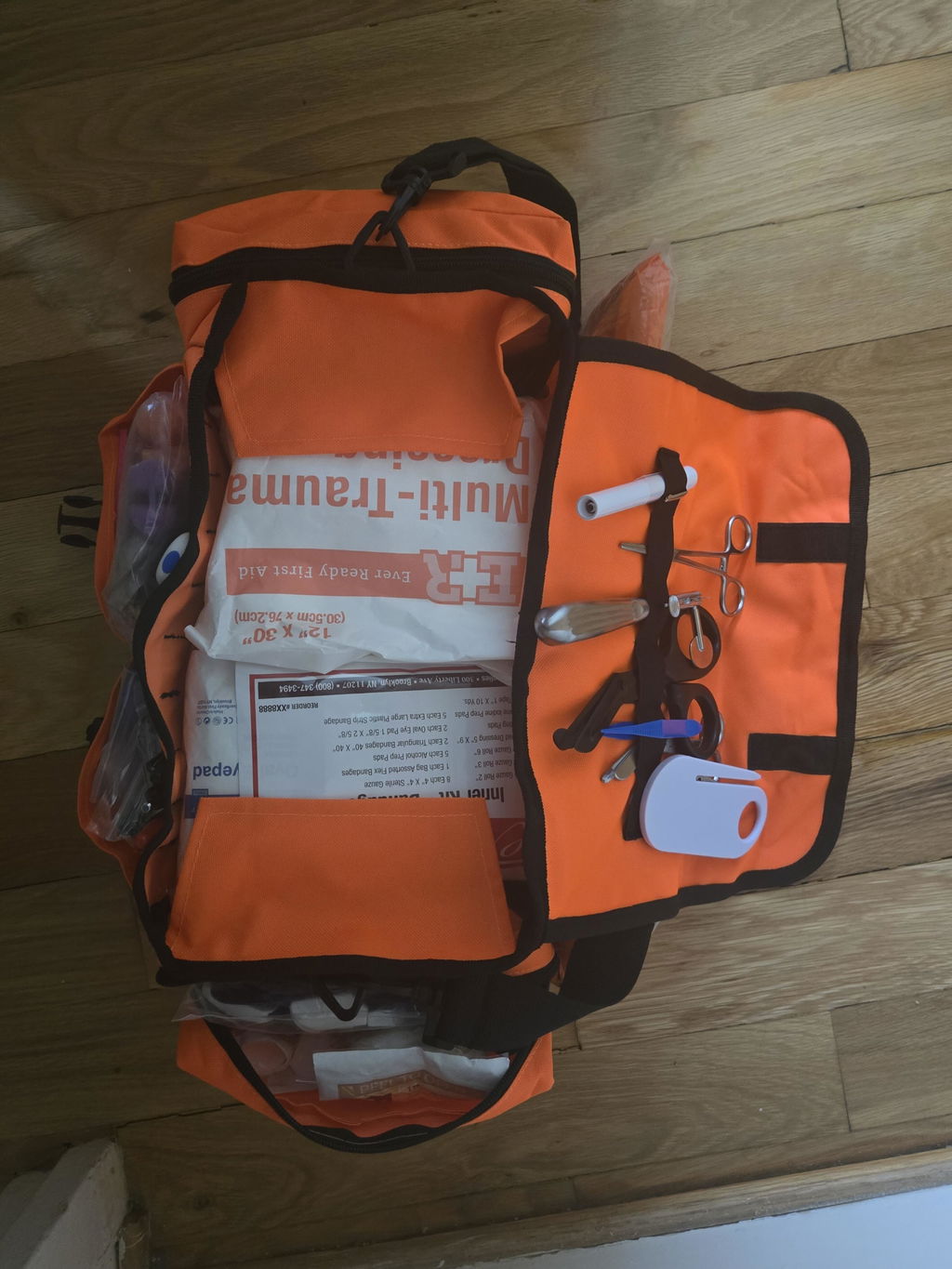
Owning only one is incomplete preparedness. A first aid kit handles the everyday. An IFAK handles the day everything goes sideways.
A severed femoral artery gives you three to five minutes. The IFAK is what closes that gap.— TCCC Training Standard
Who Needs an IFAK
Five categories. If you fit any of them, this is gear you should own.
Law enforcement, EMS, military
Duty-carry is non-negotiable. Officers and medics encounter trauma scenes routinely, and the IFAK is the personal kit that keeps them and their partners alive when the scene deteriorates. See the law enforcement IFAK collection.
Hunters, hikers, off-roaders, range users
Anyone operating more than 15 minutes from EMS. Hunting injuries from broadheads, slip-and-fall trauma in remote terrain, off-road vehicle accidents, range incidents with firearms — all put a casualty in the time-critical bleeding window before help arrives.
Daily drivers, especially in rural areas
Roadside vehicle accidents are not theoretical. MVAs put bystanders and occupants in the same time-critical window as any arterial bleed. A vehicle-staged IFAK closes that gap. See Vehicle-Ready Kits.
Construction, industrial, and trade workers
Job sites with heavy machinery and power tools present trauma risk beyond the OSHA-mandated first aid kit's capability. An IFAK in the truck and one in the personal pack is the standard for crews in remote or high-risk conditions.
Households with serious preparedness intent
One IFAK per floor, one per vehicle. Think fire extinguisher placement — every adult should be able to reach one in under 30 seconds. The Family & Home Kits collection covers this scenario.

Owning an IFAK without taking the training is buying expensive theater. Hemostatic gauze does not work without proper wound packing. A tourniquet placed too low or too loose does not stop arterial bleeding. Stop the Bleed is the civilian standard — free, two hours, taught nationwide. If you carry an IFAK, take the class.
What’s in a TCCC-Compliant IFAK
The minimum loadout for a kit that meets the TCCC standard:
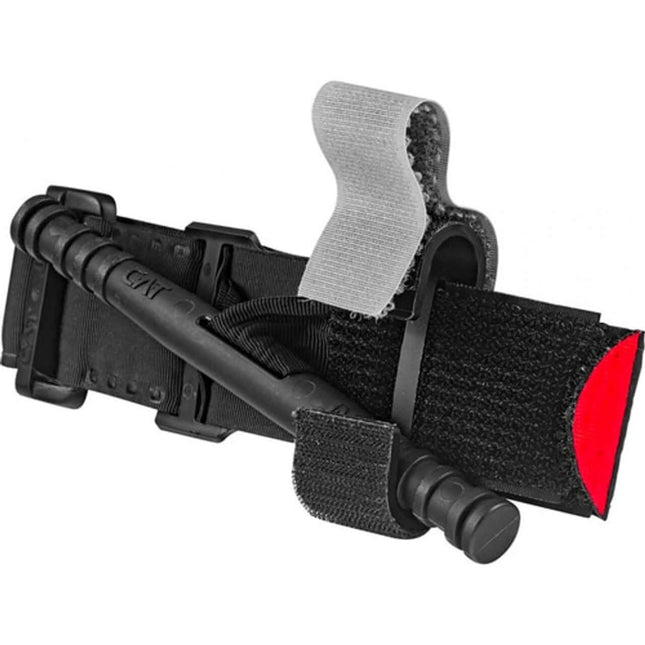
- CAT Gen 7 tourniquet — the CoTCCC-recommended windlass tourniquet. One-handed application, proven across 20+ years of combat use.
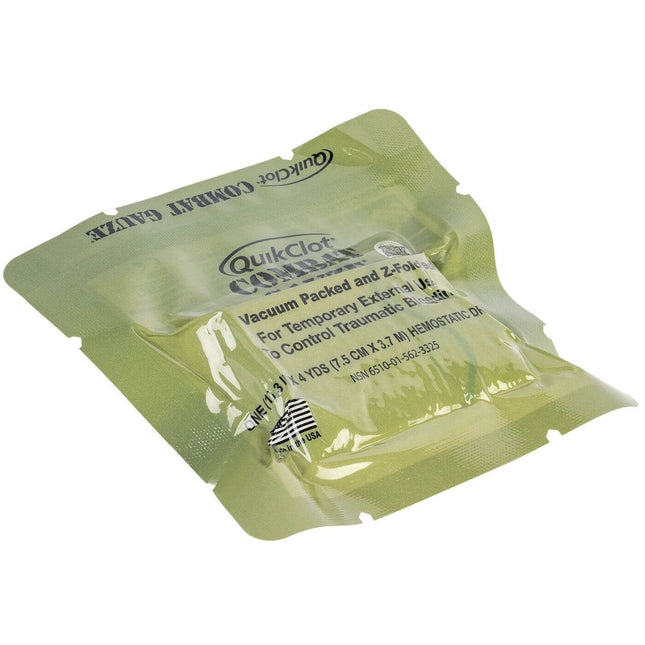
- QuikClot Combat Gauze — CoTCCC-recommended hemostatic for compressible wounds the tourniquet cannot reach.
- Pressure dressing (ETD or Israeli bandage) — maintains compression hands-free.
- Vented chest seals (paired) — entry and exit wound management for penetrating thoracic trauma.
- Nasopharyngeal airway with lubricant — manages airway in unresponsive casualties.
- Trauma shears — blunt-tip, cuts through clothing without injuring the patient.
- Nitrile gloves, permanent marker, Mylar blanket — BSI protection, tourniquet timestamp, hypothermia prevention.

Buying Your First IFAK: A Checklist
Before purchase, verify the kit meets these criteria:
- Authentic CAT Gen 7 or SOFTT-W tourniquet. These are the only two CoTCCC-recommended commercial tourniquets. If the listed tourniquet is anything else, the kit is not TCCC-compliant.
- Authentic QuikClot Combat Gauze (kaolin-based). Off-brand "QuikClot" without kaolin does not arrest bleeding.
- Vented chest seals, paired. Single seals or non-vented seals are inadequate for penetrating thoracic trauma.
- Rip-away or MOLLE pouch. The kit must deploy one-handed under stress.
- Reasonable pricing. A complete TCCC-compliant kit runs $80–$200 minimum. Anything dramatically cheaper contains counterfeit components.
- Authorized distributor. Buy from veteran-owned, TCCC-aligned retailers — not random third-party online sellers. This breakdown of counterfeit risk covers the warning signs.
FAQ
Are IFAKs legal for civilians to carry?
Yes. In all 50 U.S. states, civilians can legally own and carry tourniquets, hemostatic gauze, chest seals, NPAs, and the rest of the TCCC-standard components. No medical license is required. Good Samaritan laws in every state protect civilians who act in good faith to render emergency care.
How much should an IFAK cost?
A complete TCCC-compliant kit runs $80–$200 depending on pouch format and components. Premium builds with expanded capability run higher. Kits priced under $50 claiming CAT and QuikClot components contain counterfeit gear — authentic components alone cost more than that before any pouch is factored in.
Where should I keep my IFAK?
Match the carry to your daily reality: belt-mounted MOLLE pouch for duty or range, plate carrier for tactical use, door-pocket rip-away for vehicle staging, backpack admin pouch for hiking or EDC. The single rule — if you cannot reach it under stress with one hand, restage it.
Bottom Line
An IFAK is your personal trauma kit — built for the leading causes of preventable death, sized for one casualty's interventions, carried within reach. It is not a household first aid kit and it is not optional if you operate in any of the five categories above. Buy authentic. Buy from a trusted source. Take the class.
Start with the Premium IFAK Trauma Kit — TCCC-compliant, ready to carry — or browse the full IFAK collection to find the format that matches your carry method.