Tactical First Aid Kits vs. Everyday-Carry: Making the Right Choice for Preparedness
2 min reading time
2 min reading time
Imagine this: You're the first on the scene of a multi-car accident. Chaos erupts. People are injured and bleeding heavily. Seconds count. Are you prepared to act, or will you helplessly watch those crucial moments slip away? This is the urgent reality facing serious civilian protectors and tactically-minded professionals who understand that emergency readiness is non-negotiable.
Bleeding control can dictate life or death. Timely application of a tourniquet or a hemostatic dressing can stop the bleed long enough for medical professionals to take over. Preparedness isn't just about having a kit; it’s about carrying the right tools and knowing how to use them. This isn't about basic first aid kits; we're discussing trauma kits designed for decisive action under extreme stress.
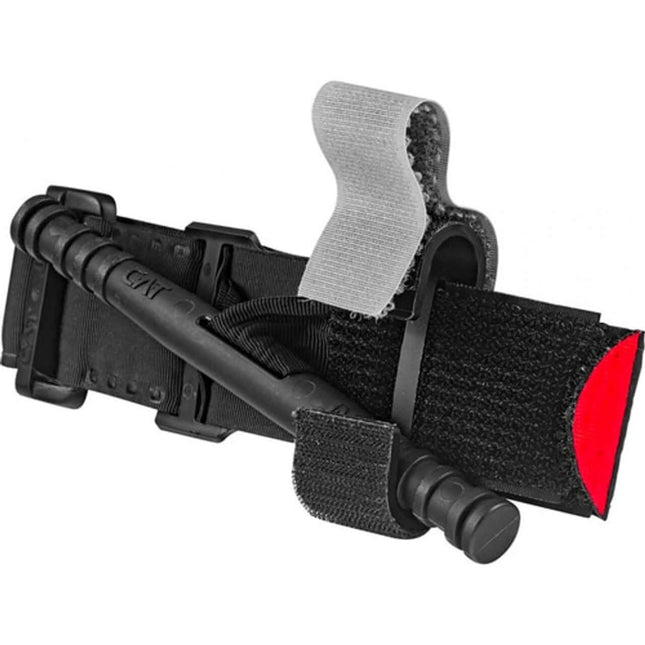
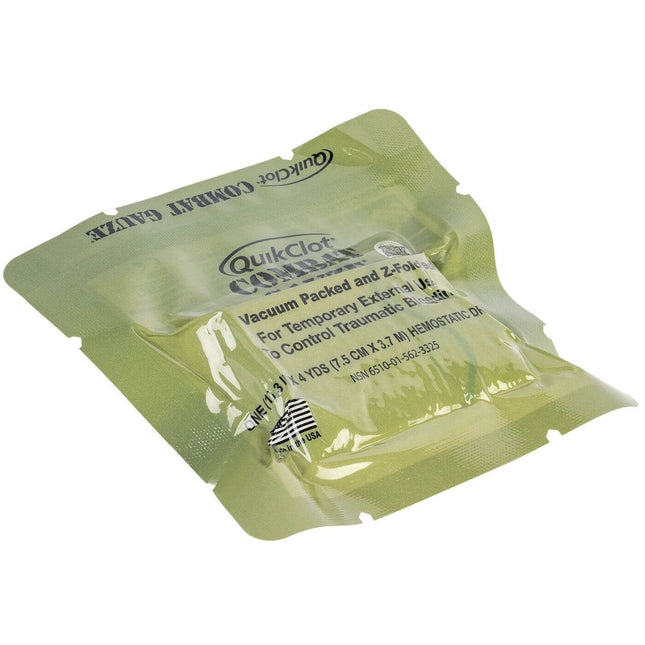
Tactical trauma kits aren't for amateurs. Comprising high-grade components like the CAT Tourniquet, QuikClot gauze, and Israeli Bandages, these kits go beyond superficial wounds. Products like our Tactical Trauma Backpack w/Advanced Bleeding Control are built to confront scenarios demanding immediate bleeding control and trauma care. But remember, possessing this gear demands proper training—confidence without competence is folly.
Everyday-Carry (EDC) kits prioritize portability. They're ideal for incorporating basic trauma response tools into your daily gear. Think of them as a first line of defense, complemented by larger collections of tools. The Supplemental IFAK Resupply Kit (SIRK™) Gen 2 fits that niche, ensuring that even your EDC kit maintains essential supplies without being cumbersome.
| Criteria | Tactical Trauma Kit | Everyday-Carry Kit |
|---|---|---|
| Scenario Compatibility | High-trauma and multi-casualty incidents | Quick response to personal emergencies |
| Portability | Less portable, best suited for vehicular deployment | Highly portable, integrates into daily carry |
| Component Intensity | Advanced; includes hemostatics and advanced bandaging | Basic; essential emergency items |
| Training Requirement | High; proficiency in application is critical | Moderate; accessible with general knowledge |
Training Reminder: Tactical trauma gear unequivocally requires training for effective and safe application. Ensure thorough understanding before attempting to use any component in a crisis situation.
For those serious about their role as protectors, investing in systems like the Crisis Incident Response Kit | Multi-Person Trauma Bag is merely the beginning. This investment must be matched by commitment to ongoing training and readiness refinement.
Preparedness isn't optional. Equip yourself with the tools and knowledge to make swift, informed decisions. Whether it’s a tactical trauma kit or an EDC setup, make your choice based on the scenarios you’re likely to face. To arm yourself and level-up your readiness, visit ViTAC Solutions.

OSHA minimum workplace kits don't include a tourniquet. Here's how to calculate station count, stock each station, and build bleed control coverage in any public...

One kit at the main entrance fails the 90-second coverage rule for most buildings. Here's how to run a coverage audit and calculate the correct...

Arterial hemorrhage kills in 3 minutes. Urban EMS takes 7–10. Every business needs CoTCCC-standard bleed control kits — here's how to select, deploy, and train...

40+ states mandate bleed control kits in schools — but most deployment plans miss classrooms and buses. Here's the placement standard that actually works.

Most of our trauma kits and first aid supplies qualify for HSA and FSA reimbursement. Don't let your benefits expire — invest them in gear that could save a life.


$124.95


$279.99

$37.49 - $139.46


$299.95 $269.95


$139.95 - $169.95

$49.95


$25.99


$164.95

We've been downrange. We know what it costs to be unprepared. ViTAC was built by U.S. Army Special Operations veterans to make sure the people who run toward the threat — and the families who depend on them — have gear that works when everything is on the line.
— ViTAC Solutions Founders | 40+ years combined Special Operations experience