
Golden Hour First Aid Basics: Fast Action for Everyday Emergencies
7 min reading time
7 min reading time
The golden hour first aid window—roughly 60 minutes from injury to definitive care—is when your actions matter most.
Severe bleeding can lead to shock in minutes, but a tourniquet applied in the first three minutes dramatically improves outcomes.
You don't need a medical degree; you need the right gear staged correctly and one or two practiced skills.
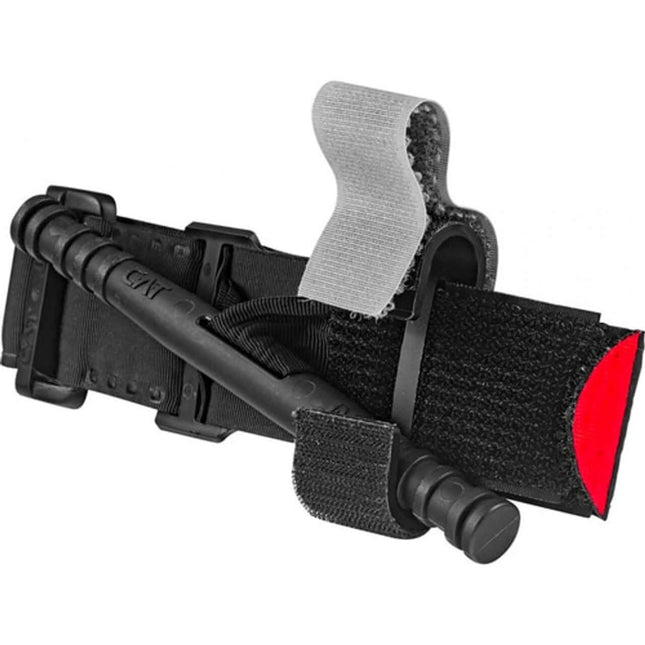
Start with bleeding control. A quality tourniquet (CAT Gen 7 or SOF-T Wide) stops arterial bleeds on limbs.
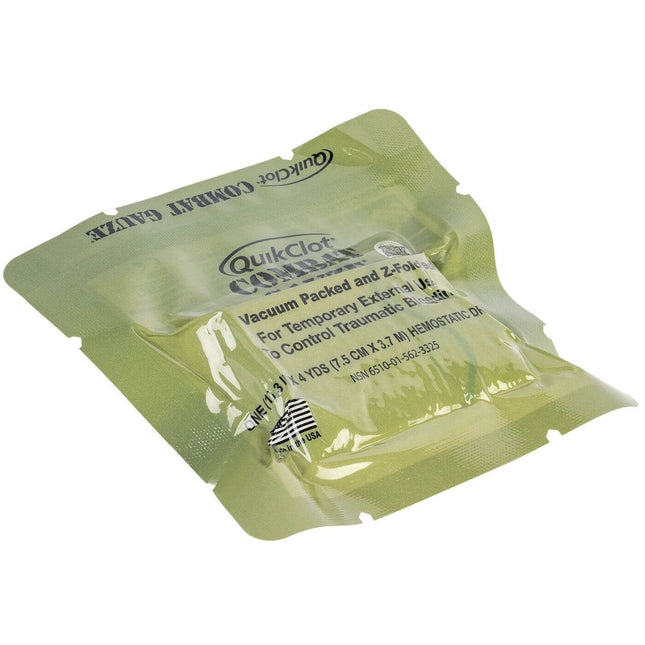
Pair it with hemostatic gauze (QuikClot Combat Gauze or Celox) for wounds you can't tourniquet—neck, groin, or torso junctions.
Add a pressure dressing (Israeli or OLAES) and at least two chest seals (vented, like HyFin or SAM) for penetrating chest injuries.
Round out your trauma kit with nitrile gloves, trauma shears, a permanent marker (for tourniquet time-on), and a compact emergency blanket.
Skip the band-aids and antibiotic ointment for now—those belong in a separate boo-boo kit.
The golden hour is about stopping preventable death from bleeding, airway compromise, or tension pneumothorax.

Your kit is useless in the bottom of your pack.
Stage your tourniquet on your belt, shoulder strap, or hip belt—accessible with either hand, even if one arm is injured.
Keep the full IFAK in an external pouch with a rip-away panel or bright pull-tab.
For outdoors and off-grid scenarios, weatherproof matters.
Use a dry bag or vacuum-sealed pouch inside your kit.
Cold temps make adhesives sluggish; warm chest seals against your body before application if possible.
In desert heat, store gauze and seals out of direct sun to prevent adhesive breakdown.
Label your kit with a waterproof marker and include a laminated quick-reference card with MARCH steps.
Set a timer for 60 seconds.
Can you locate, open, and apply your tourniquet one-handed, eyes closed?
Can you pack a wound trainer with hemostatic gauze and hold pressure for three minutes?
These drills build muscle memory that overrides panic.
Every quarter—or after any trip—inspect your kit.
Check expiration dates on gauze and seals (typically 3–5 years).
Replace any item that's been opened, crushed, or exposed to moisture.
Re-pack in priority order: tourniquet on top, gauze and seals next, then airway and hypothermia items.
This is also a good time to refresh your Stop the Bleed training or watch a 10-minute TCCC refresher video.
Solo day hikes near trailheads?
A belt-mounted tourniquet and pocket trauma kit may suffice.
Multi-day backcountry, overlanding, or group trips?
Add a second tourniquet, extra gauze, nasopharyngeal airway, and decompression needle if you're trained.
Cold-weather or high-altitude environments demand better hypothermia prevention—upgrade to a thicker emergency blanket or bivvy and add chemical heat packs.
If you're responsible for a team—family, patrol, or work crew—scale your cache accordingly.
One IFAK per person, plus a larger basecamp or vehicle kit with splinting, irrigation, and additional bleeding-control supplies.
Mark cache locations clearly and brief everyone on the plan.

[...] starts the moment an injury happens—not when the ambulance arrives.
By staging quality bleeding-control gear within reach, practicing simple skills under time pressure, and maintaining your kit quarterly, you give yourself and those around you the best chance when seconds count.
Preparedness isn't paranoia; it's respect for the realities of remote work, adventure, and everyday risk.
Next step: Build or upgrade your trauma kit today, then schedule a 60-second tourniquet drill this week.
Explore our veteran-built IFAKs with tourniquet, hemostatic gauze, and chest seals—or download our free MARCH protocol checklist and training resources.
All ViTAC kits ship fast and are backed by our quality guarantee.
GOVX discounts available for military, veterans, and first responders.
The golden hour is the critical first 60 minutes after a traumatic injury when rapid intervention—especially bleeding control—has the greatest impact on survival. It's not a strict 60-minute cutoff, but a reminder that time matters. Tourniquets applied in the first three minutes can prevent shock and death from arterial bleeds.
No advanced training is required, but a 2-hour Stop the Bleed course (often free) will build confidence and correct common mistakes. You can also learn from reputable online videos. The key is to practice until you can apply it one-handed in under 60 seconds. Tourniquets are designed for bystander use.
A trauma kit focuses on life-threatening bleeding, airway, and chest injuries—tourniquet, hemostatic gauze, chest seals, and pressure dressings. A regular first aid kit handles minor cuts, sprains, blisters, and illness. Keep both, but stage your trauma kit for fast access and your first aid kit for routine care.
Check expiration dates quarterly. Hemostatic gauze and chest seals typically last 3–5 years. Tourniquets have no expiration if stored properly, but inspect for UV damage, cracks, or fraying. Replace any opened, wet, or damaged items immediately. Rotate stock annually and use near-expiry items for training.
Many HSA/FSA plans cover first aid and trauma supplies, including tourniquets, gauze, and chest seals. Check your plan's eligible expense list or ask your administrator. Keep your itemized receipt. ViTAC provides detailed invoices to support reimbursement claims.
Disclaimer: This article is for educational purposes only and does not constitute medical advice. ViTAC Solutions is not staffed by medical professionals. The information provided is aligned with publicly available TCCC (Tactical Combat Casualty Care) and Stop the Bleed guidelines. Always seek professional medical training and consult with a healthcare provider for specific medical concerns. In an emergency, call 911 or your local emergency number.

OSHA minimum workplace kits don't include a tourniquet. Here's how to calculate station count, stock each station, and build bleed control coverage in any public...

One kit at the main entrance fails the 90-second coverage rule for most buildings. Here's how to run a coverage audit and calculate the correct...

Arterial hemorrhage kills in 3 minutes. Urban EMS takes 7–10. Every business needs CoTCCC-standard bleed control kits — here's how to select, deploy, and train...

40+ states mandate bleed control kits in schools — but most deployment plans miss classrooms and buses. Here's the placement standard that actually works.

Most of our trauma kits and first aid supplies qualify for HSA and FSA reimbursement. Don't let your benefits expire — invest them in gear that could save a life.


$124.95


$279.99

$37.49 - $139.46


$299.95 $269.95


$139.95 - $169.95

$49.95


$25.99


$164.95

We've been downrange. We know what it costs to be unprepared. ViTAC was built by U.S. Army Special Operations veterans to make sure the people who run toward the threat — and the families who depend on them — have gear that works when everything is on the line.
— ViTAC Solutions Founders | 40+ years combined Special Operations experience