Tactical First Aid Kits for Law Enforcement Officers
5 min reading time
5 min reading time
What to carry, what matters most, and how to choose the right police IFAK
Law enforcement officers face medical emergencies long before EMS arrives. Traffic accidents, violent encounters, training injuries, and routine calls can turn critical in seconds. In those moments, having the right tactical first aid kit—and being able to access it quickly—can mean the difference between stabilization and tragedy.
This guide breaks down the best types of tactical first aid kits for law enforcement, what every police IFAK should include, and how to choose a kit that works on patrol, in a vehicle, or during tactical operations.

A law enforcement first aid kit is not the same as a standard consumer kit. Police kits must prioritize life-threatening trauma, speed, and durability.
A high-quality police trauma kit should be:
Focused on bleeding control and airway management
Accessible with one hand
Organized for stress and low visibility
Durable enough for daily duty wear and vehicle storage
Compatible with duty belts, MOLLE vests, or patrol vehicles
If a kit is bulky, disorganized, or hard to reach, it won’t get used when it matters.
Rather than ranking brands, the list below covers the five most effective IFAK styles used by law enforcement officers today.
Best for: Patrol officers, traffic units, corrections, school resource officers
Compact IFAKs are designed to ride comfortably on a duty belt or vest without interfering with movement or seated patrol work.
Key features to look for:
External or immediate-access tourniquet
Hemostatic gauze and pressure dressing
Low-profile or rip-open design
Why officers choose them:
They’re easy to carry every shift—and a kit you always carry is the one that saves lives.
Best for: Patrol cars, K9 units, supervisors, training vehicles
Rip-away kits mount securely but can be removed in seconds when needed.
Key features to look for:
Tear-away backing with strong retention
Clear internal layout
Room for chest seals and airway tools
High-visibility pull tabs
Why they work:
They allow rapid deployment at crash scenes, shootings, or multi-casualty incidents.

Best for: SWAT teams, warrant service, high-risk operations
These kits support multiple patients or longer response times.
Key features to look for:
Multiple tourniquets
Extra hemostatic gauze and pressure dressings
Chest seals and airway adjuncts
Hypothermia prevention items
Why they matter:
They extend care capabilities when scenes are dynamic or delayed.
Best for: Detectives, narcotics units, command staff
Plainclothes officers still face medical emergencies but often need discreet carry options.
Key features to look for:
Neutral appearance
Slim, compact design
Core trauma essentials without excess bulk
Why they work:
Preparedness without drawing attention.
Best for: Backup units, training facilities, staging areas
These kits supplement personal IFAKs and allow treatment of additional victims.
Key features to look for:
Redundancy in bleeding control supplies
Clear labeling
Easy handoff to other officers
Why they’re important:
Large incidents rarely involve just one patient.

Every effective police trauma kit should include the following core components:
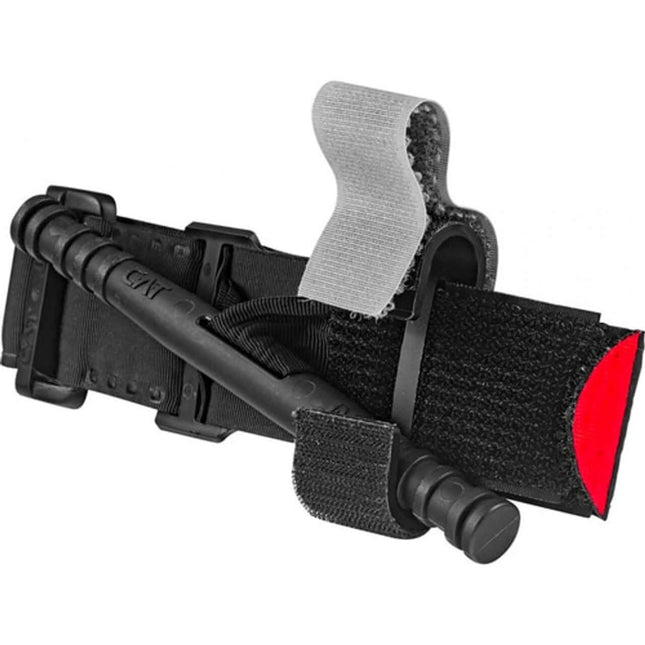
Tourniquet – for severe bleeding control
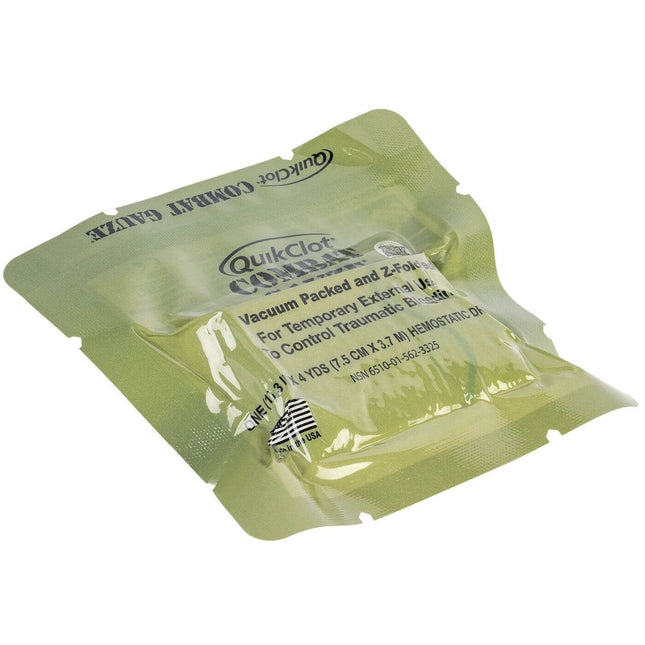
Hemostatic gauze – for wound packing
Pressure dressing – to maintain hemorrhage control
Chest seals – for penetrating chest injuries
Airway adjunct (NPA + lubricant) – airway management
Trauma shears – rapid access to wounds
Nitrile gloves – officer protection
Emergency blanket – shock and hypothermia prevention
If a kit is missing these, it’s incomplete for real-world law enforcement use.
A common question among officers is whether compact or full-size kits are better.
The practical answer:
Compact IFAKs are ideal for on-body carry and immediate response.
Full-size kits work best in vehicles or tactical team environments.
Many officers carry both—a compact IFAK on their person and a more complete kit staged in their patrol car.
When selecting a kit, consider:
Your assignment: patrol, traffic, SWAT, investigations
Your carry options: belt, vest, vehicle
Your environment: urban, rural, highway, remote response
Your training level: carry what you know how to use
Avoid novelty “tactical” kits with unclear contents or unnecessary filler items.

A tactical first aid kit is not optional—it’s part of officer safety.
The right kit:
Supports immediate lifesaving care
Reduces preventable deaths
Protects partners and civilians
Enhances confidence under pressure
Whether you choose a compact duty-belt IFAK, a rip-away vehicle kit, or a full-size tactical medical bag, the most important factors are simple:
Carry it. Know it. Train with it.
When seconds count, preparation saves lives.

OSHA minimum workplace kits don't include a tourniquet. Here's how to calculate station count, stock each station, and build bleed control coverage in any public...

One kit at the main entrance fails the 90-second coverage rule for most buildings. Here's how to run a coverage audit and calculate the correct...

Arterial hemorrhage kills in 3 minutes. Urban EMS takes 7–10. Every business needs CoTCCC-standard bleed control kits — here's how to select, deploy, and train...

40+ states mandate bleed control kits in schools — but most deployment plans miss classrooms and buses. Here's the placement standard that actually works.

Most of our trauma kits and first aid supplies qualify for HSA and FSA reimbursement. Don't let your benefits expire — invest them in gear that could save a life.


$124.95


$279.99

$37.49 - $139.46


$299.95 $269.95


$139.95 - $169.95

$49.95


$25.99


$164.95

We've been downrange. We know what it costs to be unprepared. ViTAC was built by U.S. Army Special Operations veterans to make sure the people who run toward the threat — and the families who depend on them — have gear that works when everything is on the line.
— ViTAC Solutions Founders | 40+ years combined Special Operations experience